Senegal’s political funds controversy: A long-standing practice comes under scrutiny
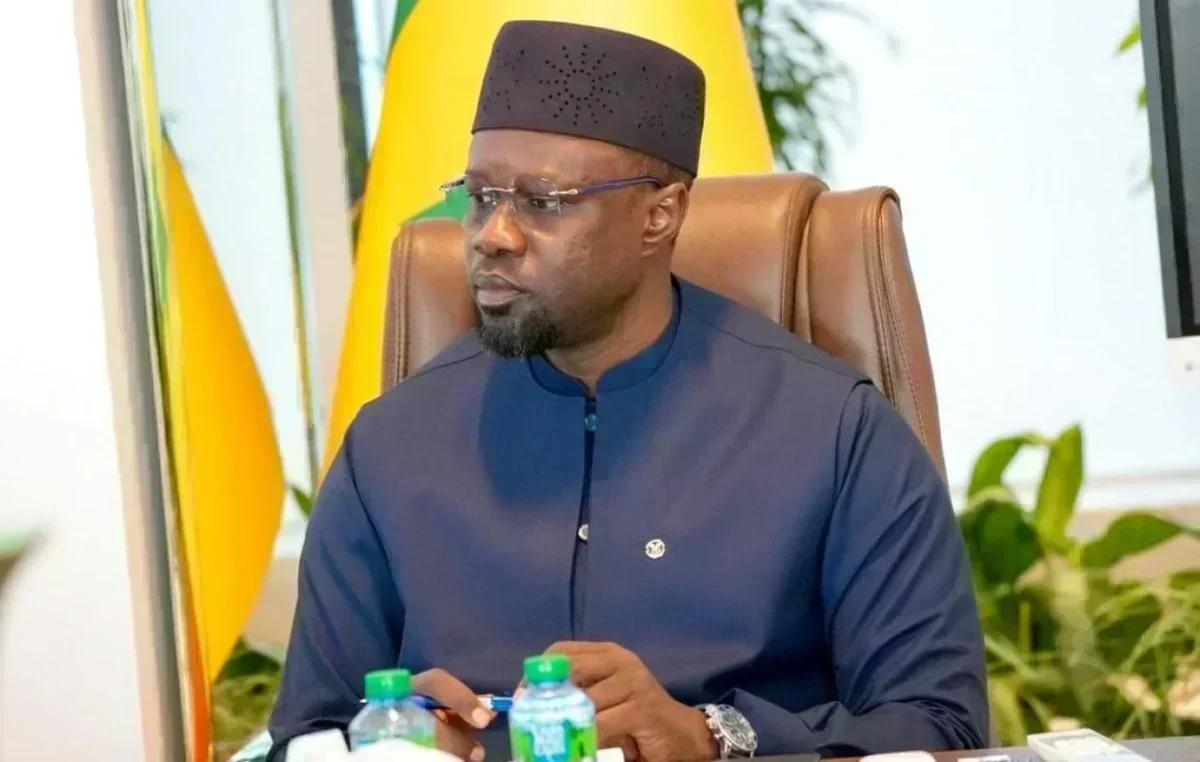
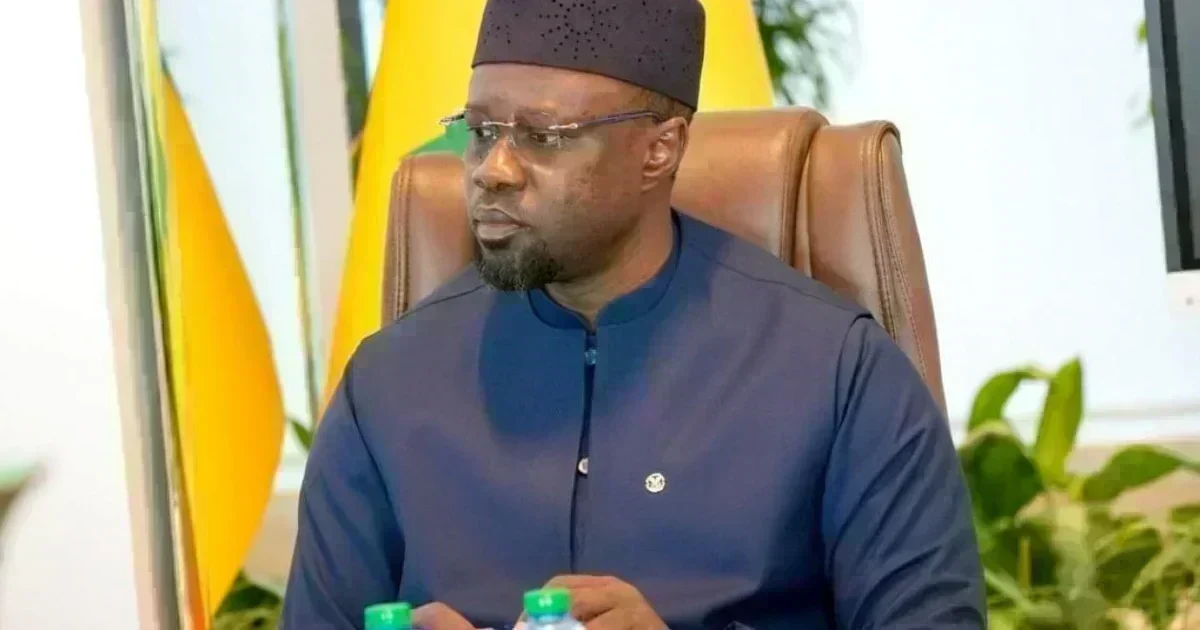
Prime Minister Ousmane Sonko recently disclosed the existence of a 1.77 billion CFA franc political fund at the Primature, revealing a long-standing but opaque system that has sparked national debate.
The revelation of Senegal’s political funds has dominated public discourse for weeks. Prime Minister Sonko’s admission during a National Assembly session exposed a discretionary financial mechanism that had operated in the shadows for years. Contrary to public perception, this isn’t an innovation—it’s a long-established practice that predates Sonko’s tenure.
Political funds in Senegal have long been managed with minimal oversight, typically allocated to the presidency while the Prime Minister received a separate, smaller envelope—around 1.7 billion CFA francs annually, compared to the president’s 11 billion. This system, shrouded in secrecy, had operated without significant scrutiny until Sonko brought it into the spotlight.
May 2026: A turning point in political funding
The Prime Minister’s disclosure during a National Assembly session came as a shock. Not only did he confirm the existence of the 1.77 billion CFA franc fund, but he also reversed his earlier denial of its existence. Rather than advocating for its abolition, Sonko argued for stricter oversight, citing models from Western democracies where similar funds are managed under parliamentary supervision. His party, PASTEF, had long criticized the lack of transparency in these funds, with reform proposals dating back to 2019.
The Prime Minister’s push for transparency was strategic. His public stance on reforming the fund’s management clashed with President Bassirou Diomaye Faye, creating a political rift. By publicly challenging the system, Sonko forced the president to choose between granting the Primature greater autonomy or reasserting hierarchical control. The president’s decision to dismiss Sonko marked the end of their political alliance, which had been forged in the 2024 transition.
Further developments emerged in late July 2026 when Energy Minister Abdourahmane Diouf revealed that Sonko had requested an additional budget allocation after depleting his annual envelope. The revelation reignited the controversy, though it remains unclear whether the request was granted. Civil society voices, including Moundiaye Cissé of ONG 3D, are now demanding transparency reports detailing the fund’s usage over the past two years.