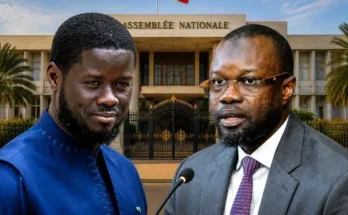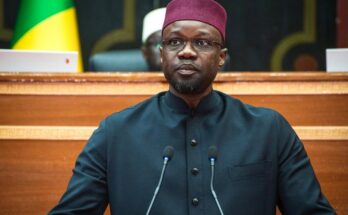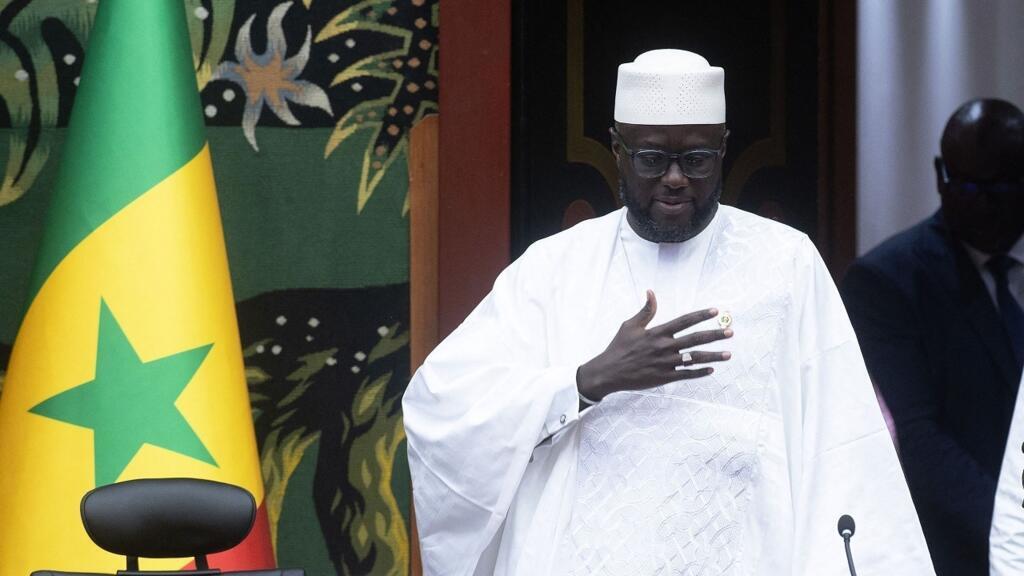
The political landscape of Senegal has been upended with a dramatic announcement from Malick Ndiaye, who declared his resignation as President of the National Assembly on May 24, 2026. The move comes as a surprise to many, sending ripples through the nation’s corridors of power.
In a carefully crafted statement shared across social media platforms, Ndiaye explained his decision with profound conviction. “After deep reflection, nurtured in quiet contemplation, and guided by my sense of duty, responsibility, and the supreme interests of the State, I have chosen to step down from my position as President of Senegal’s National Assembly,” he stated. Ndiaye, a prominent ally of opposition leader Ousmane Sonko, emphasized that his resignation stemmed from personal conviction rather than external pressure.
The timing of this resignation cannot be overlooked. It follows a seismic political shift that has reshaped the leadership landscape in Dakar. Just 48 hours prior to Ndiaye’s announcement, President Bassirou Diomaye Faye made a decisive move by dismissing the Prime Minister, thereby dissolving the entire government. The abrupt departure of the Prime Minister, a once-close associate of Sonko, marked the end of an era of political alliance that had defined much of recent governance in Senegal.
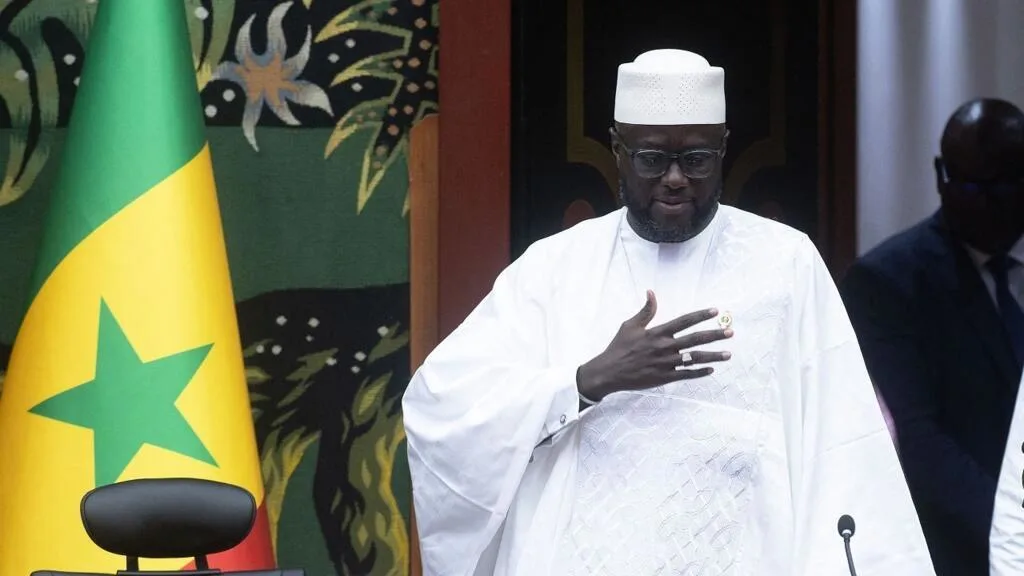
Political analysts are now speculating on the implications of Ndiaye’s departure. His close ties to Ousmane Sonko, a major figure in Senegalese opposition politics, suggest that this resignation may signal broader realignments within the country’s political spectrum. The sudden dissolution of the government has created a vacuum that could reshape alliances and power dynamics in the coming weeks.
As Senegal navigates this period of uncertainty, all eyes will be on the next moves by President Bassirou Diomaye Faye and the broader implications for governance in the country. The political tide has turned, and the nation watches closely to see where these changes will lead.