With Morocco’s legislative elections approaching, political circles are buzzing over potential candidates who could step into the role of Prime Minister. The shifting dynamics in the kingdom’s power structure have opened doors for both seasoned leaders and surprise newcomers, each with their own ambitions and challenges.
the political landscape ahead of september’s vote
As the country prepares for a pivotal election, the race for the top government position is tightening. While some figures bring decades of experience to the table, others are relatively untested but carry significant influence within their parties. The balance of power in the upcoming parliament will play a decisive role in determining who ultimately takes the helm.
key profiles in the running
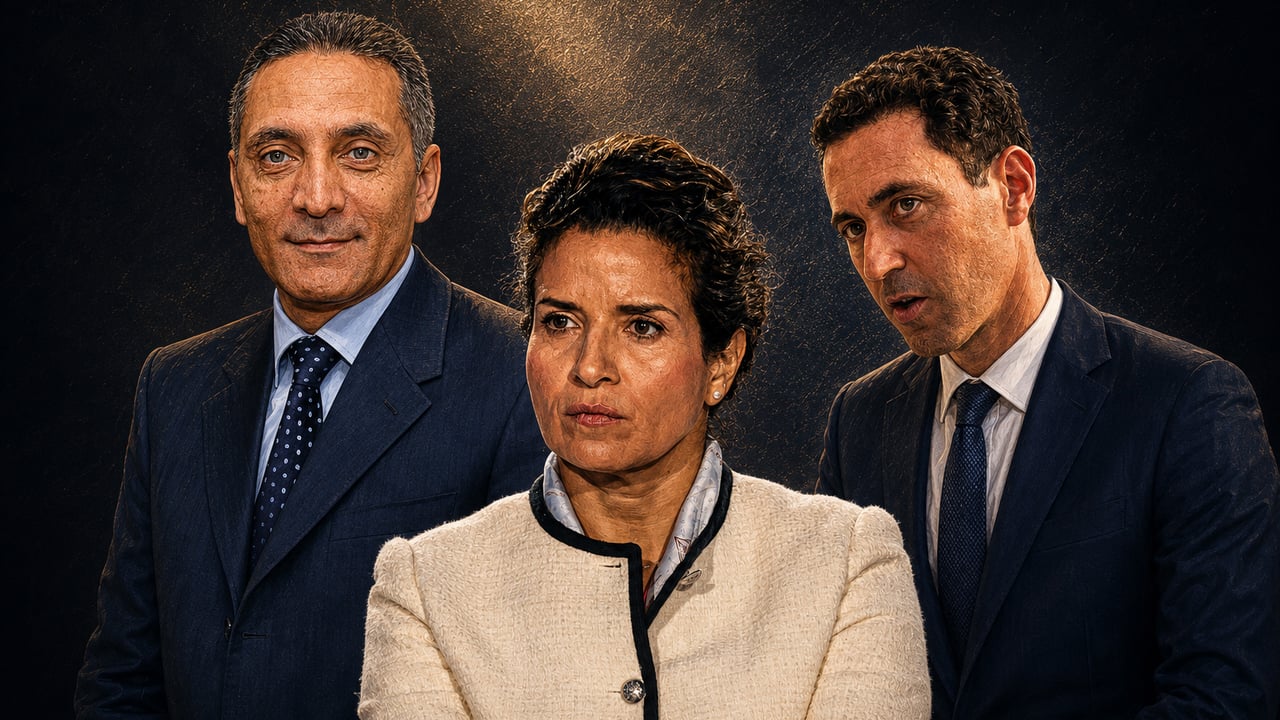
Several names have emerged as serious contenders, each with distinct strengths and weaknesses:
experienced insiders with strong backing
- Mostafa Terrab – A respected technocrat with a background in key state-owned enterprises, his deep understanding of Morocco’s economic challenges makes him a compelling choice for continuity.
- Nizar Baraka – A veteran politician with a long track record in economic and social policymaking, his strategic vision aligns with the current administration’s priorities.
- Abdelouafi Laftit – As a former Interior Minister, he brings firsthand experience in managing national security and administrative reforms.
reform-minded outsiders gaining traction
- Younes Sekkouri – A younger, dynamic figure known for his reformist stance, he appeals to voters seeking fresh perspectives in governance.
- Nadia Fettah Alaoui – A prominent businesswoman turned politician, her leadership style combines corporate efficiency with public service dedication.
- Fouzi Lekjaâ – A seasoned advisor to the royal court, his deep institutional knowledge positions him as a bridge between traditional power structures and modern governance.
what sets them apart?
The upcoming election will not only test party loyalty but also reveal which candidates can resonate with the electorate’s evolving priorities. From economic recovery to social cohesion, each contender must prove they can deliver tangible results in a rapidly changing Morocco.
While the current Prime Minister, Aziz Akhannouch, remains a dominant force, the shifting political winds suggest that September’s outcome could reshape the nation’s leadership landscape in unexpected ways.