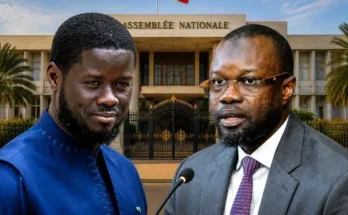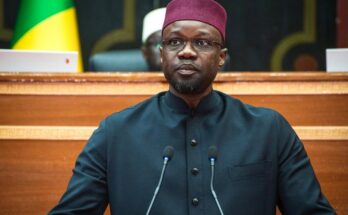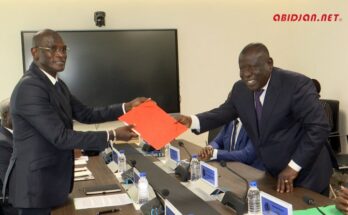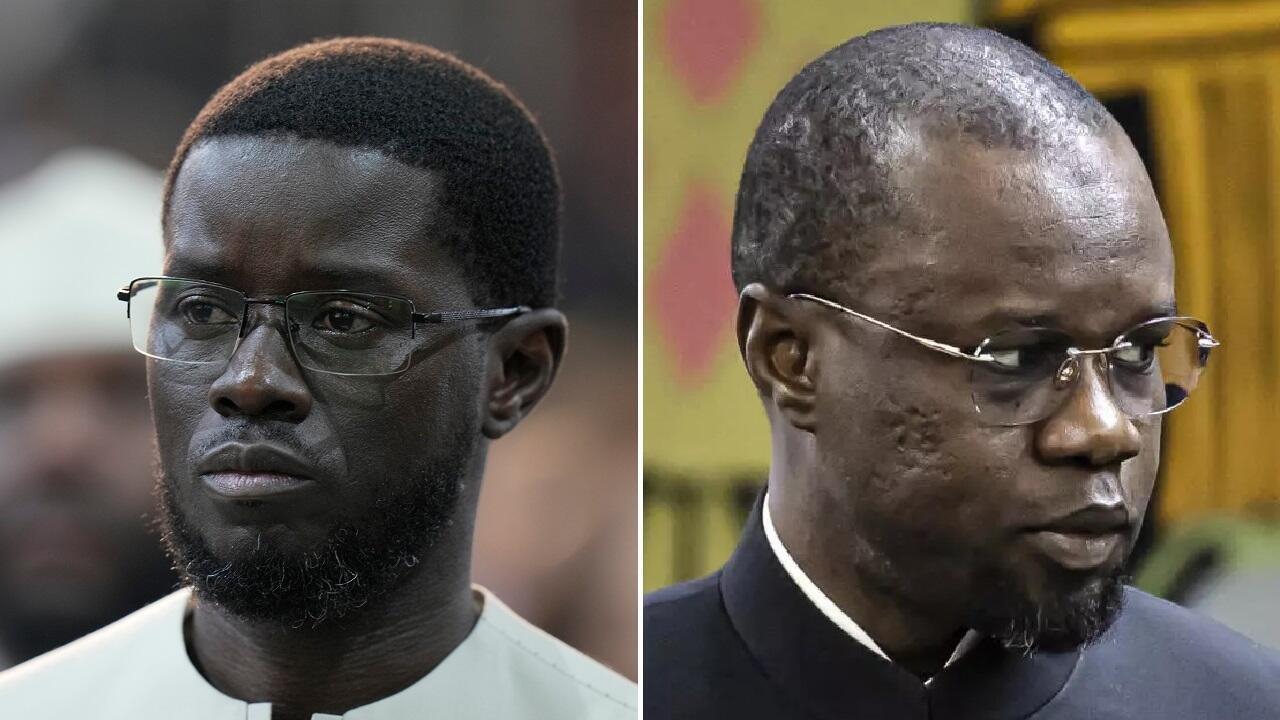
Just four days after his removal as Prime Minister by President Bassirou Diomaye Faye, opposition leader Ousmane Sonko has reclaimed his parliamentary seat and swiftly ascended to the presidency of Senegal’s National Assembly. In his maiden address, Sonko struck a conciliatory tone, pledging continued dialogue with the head of state.
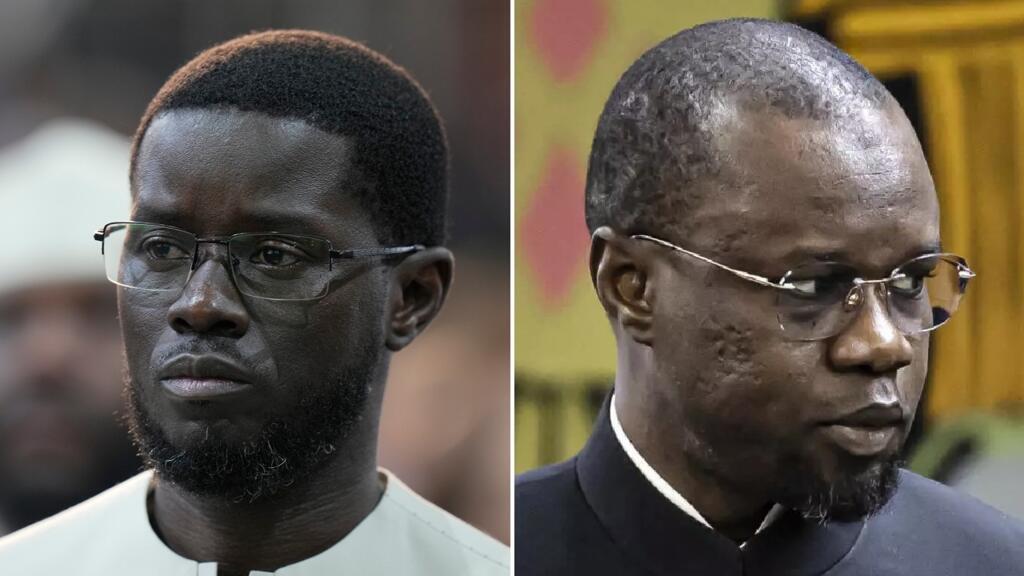
Political analysts weigh in on Sonko’s new role
Gilles Yabi, political analyst and economist, and founder of the civic think tank Wathi, shared his insights on what this leadership shift may signal for Senegal’s political landscape. Speaking moments after Sonko’s election, Yabi emphasized the significance of this development within the broader context of the country’s democratic evolution.
What to expect from Sonko’s Assembly presidency
- Legislative influence: As head of the National Assembly, Sonko now wields considerable influence over the legislative agenda, particularly on contentious policy issues.
- Cross-party engagement: His call for dialogue suggests an openness to collaboration, though the depth of cooperation remains uncertain given past tensions.
- Policy priorities: Observers anticipate a focus on socioeconomic reforms, aligning with the government’s broader agenda while potentially introducing new perspectives.
The rapid transition—from Prime Minister’s office to Assembly presidency—underscores the fluidity of Senegal’s political environment. As Sonko settles into his new role, the coming weeks will reveal whether his conciliatory rhetoric translates into tangible legislative outcomes.