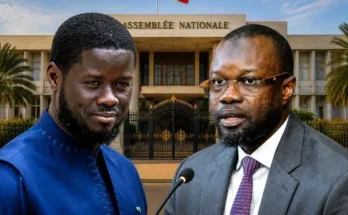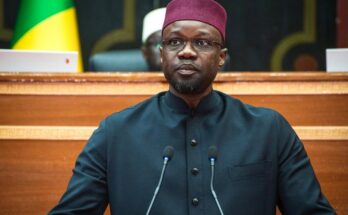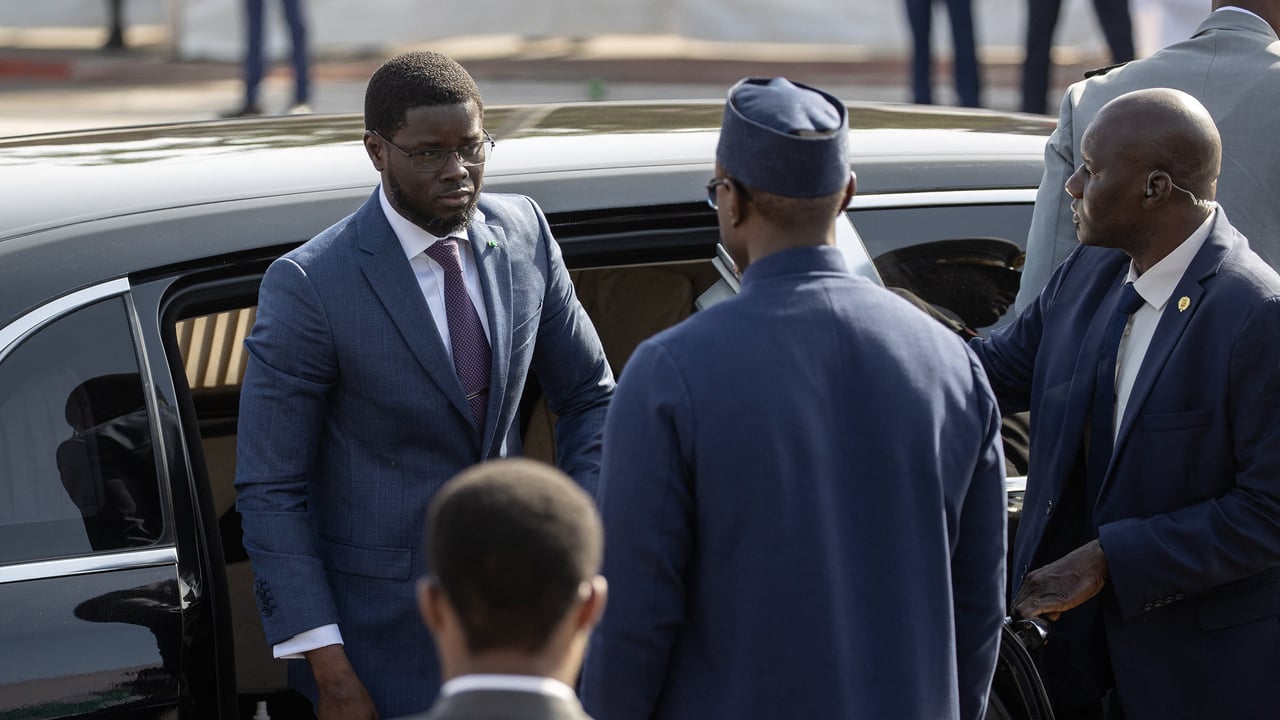

Since assuming office, Senegalese president Bassirou Diomaye Faye has navigated a complex political landscape, where Ousmane Sonko—his former ally turned rival—continues to cast a long shadow over his administration. The delicate balance of power between these two influential figures has become a defining feature of Senegal’s current political scene.
The relationship between Faye and Sonko has evolved from close collaboration during the 2024 election campaign to what observers describe as a cautious coexistence. While Sonko serves as Prime Minister, his continued influence within the Pastef party and his loyal following among Senegal’s youth present both opportunities and challenges for the young president.
the dual leadership dilemma in Senegal
President Faye’s administration faces a unique challenge: maintaining political stability while asserting executive authority in a system where power appears to be shared. This delicate arrangement raises important questions about governance, accountability, and the future direction of Senegal.
The current political dynamic suggests a power-sharing arrangement rather than a traditional hierarchical structure. Sonko’s continued prominence—despite stepping back from direct presidential control—highlights the complexities of Senegal’s evolving political landscape.
Key factors shaping the Faye-Sonko relationship
- Legacy of the 2024 election campaign: Their shared victory created an unspoken bond that persists despite growing differences.
- Youth mobilization: Sonko’s ability to energize Senegal’s younger population remains a powerful political asset.
- Party dynamics: The influence of the Pastef party extends beyond formal government structures, creating multiple centers of power.
- Regional expectations: Neighboring countries closely watch how Senegal manages this political transition.
Implications for Senegal’s political future
The current power dynamics could lead to one of several possible scenarios:
- A gradual consolidation of Faye’s authority as he gains more experience and builds his own support base.
- A formalized power-sharing agreement that establishes clear boundaries between presidential and prime ministerial roles.
- Increased political tensions if the current arrangement fails to address the aspirations of Senegal’s diverse political factions.
As Senegal continues its democratic journey, the Faye-Sonko relationship will likely remain a focal point for political analysis and public debate. The coming months will reveal whether this unique political experiment strengthens or weakens Senegal’s democratic institutions.