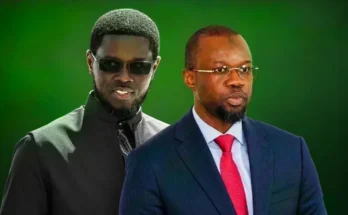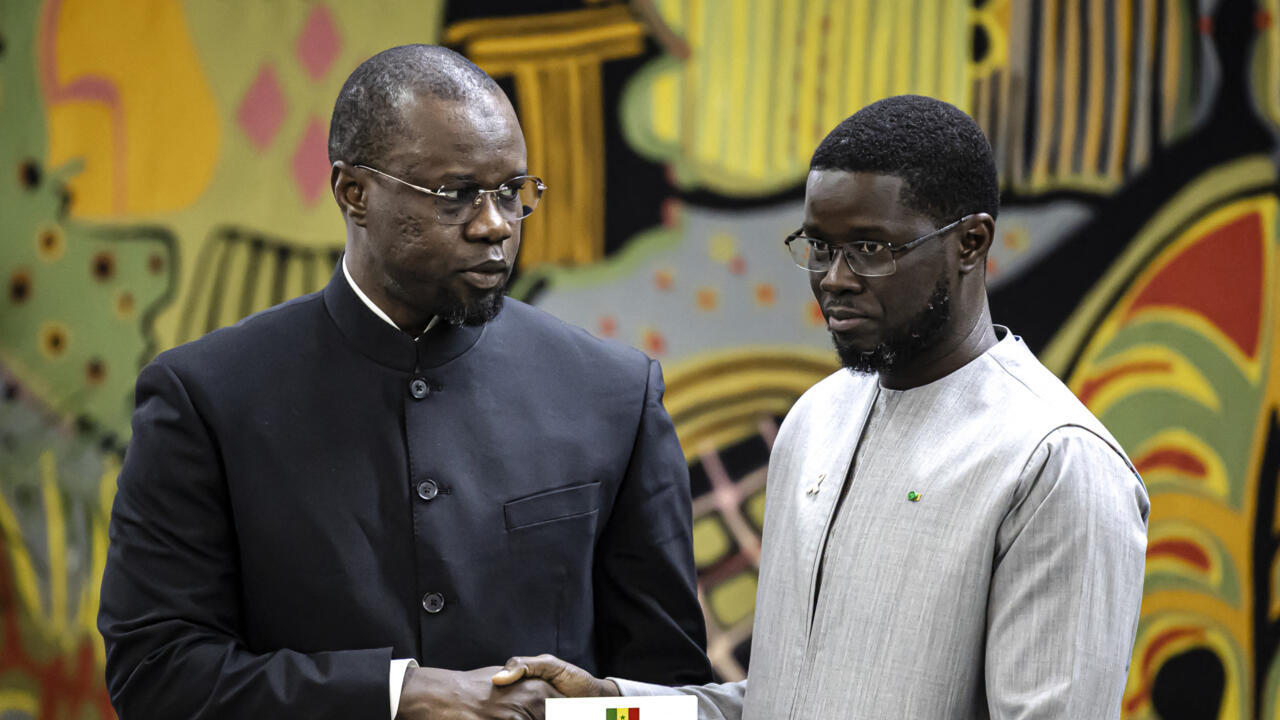
After just two years in power, the Diomaye-Sonko partnership has fractured. President Bassirou Diomaye Faye has removed Ousmane Sonko from the prime minister’s post, reshuffling the political landscape. Now serving as National Assembly president, Sonko remains a dominant force within the Pastef party, which holds a majority in Parliament but remains absent from the government.
How did the alliance collapse?
The sudden separation between the president and his former prime minister raises questions about the root causes of the rift. Analysts point to diverging visions for the country’s future, with both leaders representing distinct factions within the same political movement. Sonko’s continued influence over the Pastef party—despite his exclusion from the executive branch—highlights the party’s deep internal divisions.
A cohabitation under strain?
With Sonko now presiding over the National Assembly and the Pastef holding the parliamentary majority, the stage is set for a tense cohabitation with President Faye. The political climate in Dakar has grown increasingly volatile, as both leaders navigate their new roles while jockeying for position. Can they maintain a functional working relationship, or will their rivalry overshadow the pressing needs of Senegalese citizens?
Key figures weigh in
- Abdoulaye Tine, presidential advisor and government spokesperson, offers insight into the administration’s perspective on the evolving political dynamics.
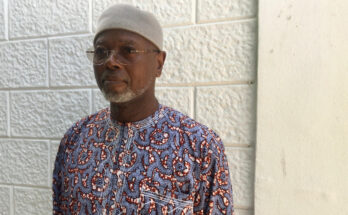
- Amadou Ba, former Culture Minister and Pastef deputy, provides the opposition’s viewpoint on the party’s strategies moving forward.
- Babacar Ndiaye, political analyst and research director at the Wathi think tank, examines the broader implications for Senegal’s democracy and governance.
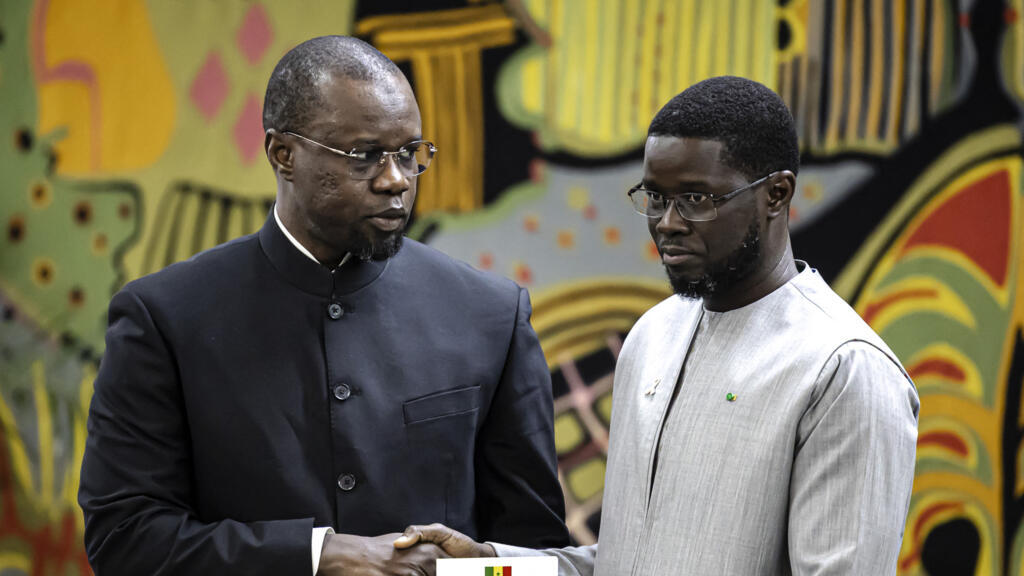
As Senegal grapples with this political upheaval, the nation watches closely. Will the president and his former ally find common ground, or will their feud disrupt the country’s progress? The answers may shape the future of Senegalese governance for years to come.