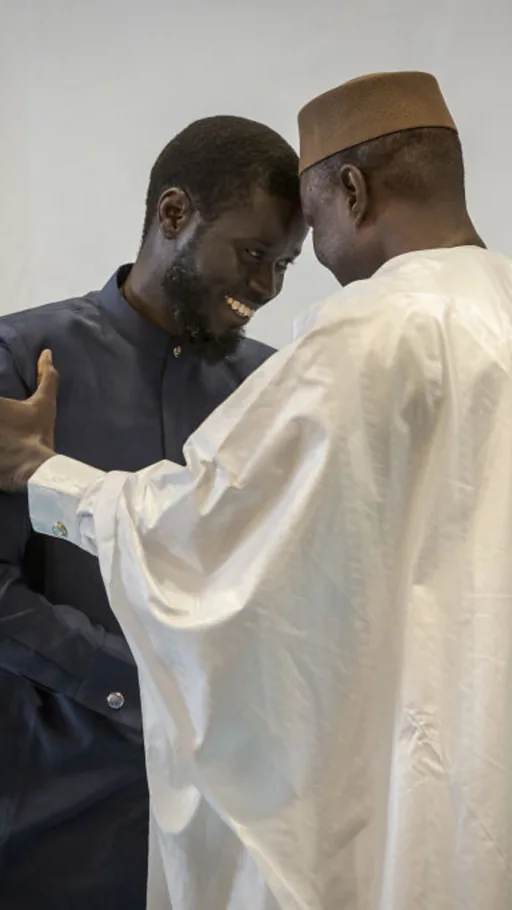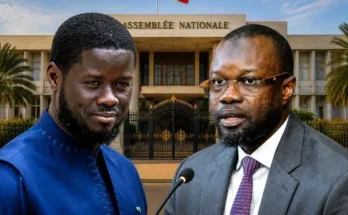
Senegal’s president Diomaye Faye ends partnership with Prime Minister Ousmane Sonko
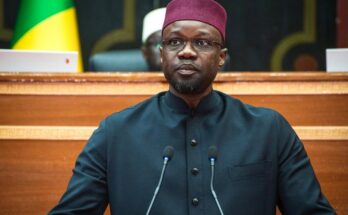
The unexpected dismissal of Prime Minister Ousmane Sonko by President Bassirou Diomaye Faye marks a decisive shift in Senegal’s political landscape after just two years in office. Long seen as a cornerstone of stability in West Africa, the country now faces renewed scrutiny over its internal governance.
Why the alliance between Faye and Sonko unraveled
The split between Senegal’s two most prominent leaders stems from deepening disagreements that have simmered beneath the surface for months. Here are the key factors behind their political separation:
1. Clashing visions for economic reform
President Faye prioritized rapid structural changes, including debt restructuring and public spending cuts, to stabilize the economy. Prime Minister Sonko, however, advocated for gradual adjustments with stronger social safeguards, creating a policy divide that proved difficult to bridge.
2. Growing friction over governance style
While Faye’s approach emphasized centralized decision-making, Sonko leaned toward a more consultative process involving broader stakeholder input. These differing leadership philosophies led to frequent clashes over policy direction and implementation.
3. Power struggle within the ruling coalition
Internal competition between allied political factions intensified, with Sonko’s supporters growing increasingly vocal in their demands for greater influence. This internal rivalry threatened the cohesion of the governing coalition, prompting Faye to act decisively to preserve executive authority.
4. Public perception and political pressure
Mounting criticism of Sonko’s leadership—particularly regarding transparency and accountability—created a challenging environment for the administration. Faye’s decision to remove him reflects both strategic repositioning and a response to shifting public sentiment.
The consequences of this political realignment will shape Senegal’s path forward, leaving observers to assess how this transition impacts the nation’s stability and regional standing.