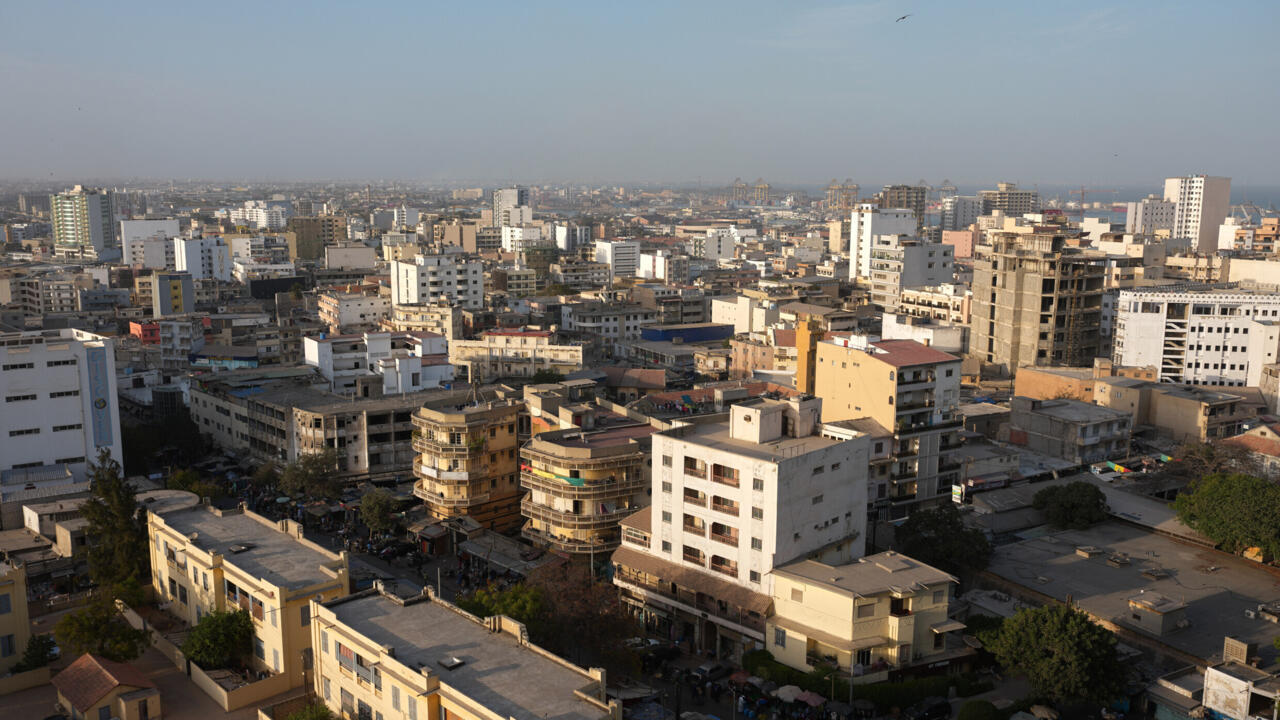
After four consecutive years of robust growth, with foreign direct investments (FDI) averaging nearly $3 billion annually, Senegal’s economic appeal has taken a sharp downturn. In 2025, FDI plummeted to a mere $37 million, as highlighted in the latest United Nations Conference on Trade and Development (UNCTAD) report. Is this a natural end to a major investment cycle, or a growing skepticism toward government policies?
Cyclical dip or structural decline?
The steep decline in FDI is largely cyclical. Major oil and gas projects such as Sangomar and Grand Tortue have driven significant investment inflows in recent years, but those projects are now nearing completion. The focus has shifted from funding to production.
However, Senegal could have attracted far more than the $37 million recorded in 2025, according to Moubarak Lo, former economic advisor to the Prime Minister and now an independent consultant. «Senegal has the potential to consistently attract three to five billion dollars annually in foreign investments, but this requires proactive economic promotion. Unfortunately, the country lacks a robust international investment promotion network. While roadshows are conducted, they are insufficient. A more assertive approach is needed—not just for portfolio investments in government securities, but for direct investments. That is the transformation Senegal must undergo.»
Visibility gap
Senegal’s sovereign debt, which reached 132% of GDP by the end of 2024 according to the IMF, may appear daunting on paper. Yet, experts argue it should not deter private investors. Justin Maria, Director of Access Bank France, points out that France, despite its public debt of €3.5 trillion, continues to attract private investment. For him, the real concern is the lack of clarity: «Senegal has become a high-risk destination—not because of long-term fundamentals, as no one can predict the future, but due to short-term uncertainties. Investors lack visibility into the state of public finances and liquidity, which is what is holding them back.»
«We can turn things around next year»
Moubarak Lo rejects the «high-risk» label and believes Senegal has the tools to quickly restore its appeal. He notes that the IMF suspended its program with Dakar at the end of 2024, but discussions are ongoing. «Today, the country has around twenty to thirty major projects in the pipeline. The strategy should be to approach the five or six key global companies for each project and persuade one of them to invest. We could see a recovery as early as this year, or more likely in 2027.»
While Senegal faces challenges, neighboring countries like Guinea have seen their FDI inflows surge, exceeding $7.7 billion in 2025, according to UNCTAD.