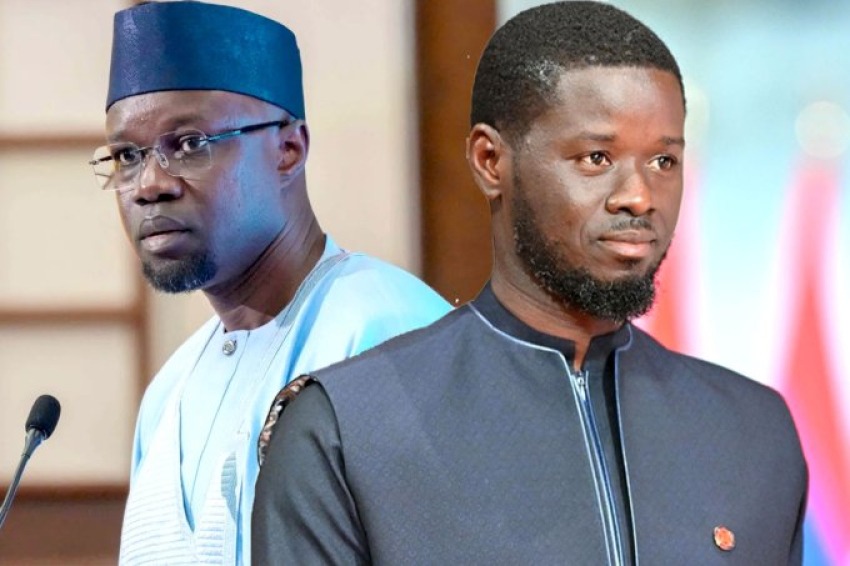
Senegal’s government has suffered a historic setback after the 2026 rectified budget was rejected for the third time in the National Assembly. The decisive vote on November 3, 2026, followed two prior failures in the Finance and Budget Control Committee, putting the entire fiscal adjustment plan in limbo.
Root causes of the institutional breakdown
The repeated rejection of the rectified budget is far more than a technical disagreement—it exposes a deepening rift between President Bassirou Diomaye Faye’s administration and the very coalition that propelled him to power. The opposition wasn’t just procedural; it reflected a fundamental clash in economic priorities and governance.
The political schism within the ruling majority
The most critical factor behind the deadlock stems from internal divisions within the ruling Pastef party, particularly the faction led by Prime Minister Ousmane Sonko. His lawmakers openly defied the government’s proposal, signaling a strategic split between Sonko and President Faye.
Despite government attempts to frame the budget as a national necessity, Sonko’s bloc rejected it outright, insisting it was pushed through without sufficient parliamentary consultation. The majority accused the executive of bypassing democratic scrutiny, turning the legislature into what they deemed a mere rubber-stamp body.
Budget cuts and governance disputes fuel tensions
Parliamentarians justified their stance by highlighting several critical issues:
- Dramatic cuts in social investments totaling 555 billion FCFA, targeting health centers, school infrastructure, housing projects, and flood mitigation programs.
- Lack of transparency regarding debt sustainability, management of special funds, and absence of pre-vetted audit reports.
- Government’s rigid deficit target of 1,735.2 billion FCFA (7.6% of GDP), which lawmakers argued was insufficient to address public demands.
Hostile exchanges escalate the confrontation
Relations between the executive and legislature deteriorated sharply, with public accusations in both directions. The Prime Minister warned against ‘punishing the people’ through austerity measures, while deputies retaliated by invoking their constitutional budgetary sovereignty. They refused to comply with what they called an authoritarian fiscal agenda, emphasizing their role as a check on executive power.
What lies ahead after the triple rejection?
The failure to pass the rectified budget creates immediate and long-term challenges for Senegal’s fiscal stability and political cohesion.
Constitutional workarounds under consideration
The government is reportedly weighing extraordinary measures under Article 86 of the Constitution. These could include issuing the budget by executive order or authorizing provisional twelfths spending to keep government operations running. However, such moves risk intensifying the political standoff and undermining public trust.
Rising risk of dramatic political retaliation
The parliamentary majority has hinted at escalating its response. Without excluding the possibility of a no-confidence motion, lawmakers are prepared to escalate their opposition if the executive insists on unilaterally imposing fiscal policy.
Economic fallout begins to materialize
The Ministry of Finance has cautioned that prolonged budget paralysis could jeopardize international financing, delay budgetary support disbursements, and disrupt payments to state contractors. This threatens public services, private sector partnerships, and investor confidence in Senegal’s economic governance.
