In a stunning development that has sent shockwaves through Senegalese and African football, the continental title has been taken from the Lions of Téranga.
Exactly two months after their historic 1-0 victory against Morocco in the Africa Cup of Nations final, the Confederation of African Football (CAF) has stripped Sénégal of their trophy.
Following a ruling by its Appeal Jury, the governing body has declared Sénégal to have forfeited the match, thereby naming Morocco as the official champion of the 2025 tournament.
A decision that sparks widespread debate
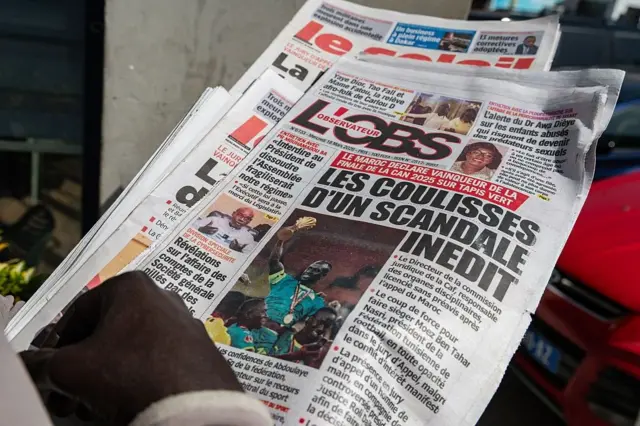
The topic has dominated headlines in all Senegalese newspapers and has become a fixture on television shows and social media, where supporters have voiced their disappointment with the CAF Appeal Jury’s verdict.
Internationally, sports media outlets have extensively covered this extraordinary decision. From sports channels to content creators, the announcement from the CAF Appeal Commission is on everyone’s lips.
Many are questioning the two-month delay in making such a monumental ruling, long after the trophy was awarded and the victory celebrations concluded. On Canal+, consultant Samir Nasri ironically questioned the timing, suggesting, “why now, two months later? They might as well have waited until 2035.”
What does the CAF statement say?
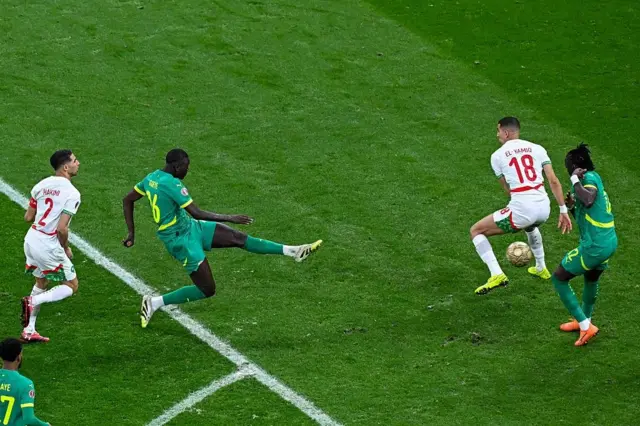
The official communication states that the CAF Appeal Jury, invoking Article 84 of the Africa Cup of Nations Regulations, has declared the Senegalese national team to have forfeited the final match. Consequently, the result is officially recorded as a 3-0 victory for the Royal Moroccan Football Federation (FRMF).
The body concluded that the Senegalese Football Federation (FSF), through its team’s actions, violated Article 82 of the regulations. As a result, under Article 84, Sénégal forfeits the game, and the win is awarded to Morocco.
Understanding articles 82 and 84 of the CAF regulations
The decision to strip Sénégal of its title hinges on two key articles. Article 82 specifies that if a team withdraws, fails to appear, refuses to play, or leaves the field before the end of the match without the referee’s permission, it will be considered to have lost and will be eliminated from the competition.
Article 84 outlines the consequences, stating that a team in breach of Articles 82 and 83 will be excluded from the competition and lose the match 3-0. If the opposing team had a more favorable score at the time, that score stands. The Organizing Committee may also impose further sanctions.
For context, Article 83 deals with teams that fail to appear on the pitch ready to play at the scheduled kick-off time, or within a 15-minute grace period, resulting in a forfeit.
The Appeal Commission’s statement also noted that it had overturned the initial decision made by the Disciplinary Committee.
How do CAF’s legal bodies operate?
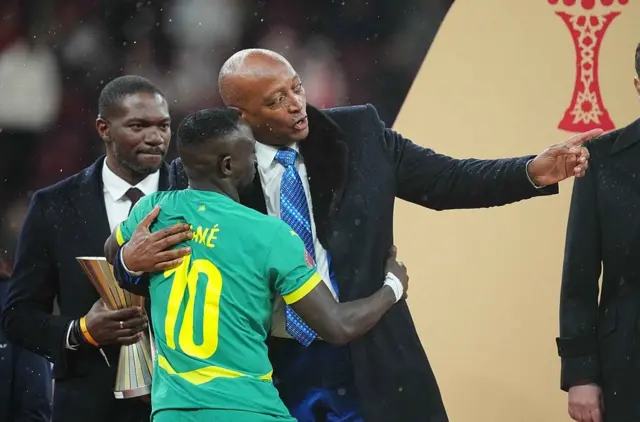
Like other football organizations, CAF has a two-tiered legal structure. The Disciplinary Committee is the first instance, handling disciplinary and financial sanctions. The Appeal Jury, or Appeal Commission, serves as the second instance, ruling on appeals against the Disciplinary Committee’s decisions.
The Disciplinary Committee’s role is to ensure regulations are followed and to penalize behavior that undermines the ethics and integrity of African football. It reviews referee reports, video evidence, and official complaints to issue sanctions such as suspensions, fines, or forfeits.
The Appeal Commission convenes on an ad hoc basis to re-examine decisions made by the Disciplinary Committee when a party files an appeal. Its meetings are scheduled based on the urgency of the cases, with decisions typically rendered after analyzing the appeal files.
The CAF Appeal Commission is chaired by Roli Daibo Harriman of Nigeria, with Faustino Varela Monteiro of Cape Verde as vice-president. The jury also includes members from Tunisia, Togo, Malawi, Namibia, Mauritania, Djibouti, and the Democratic Republic of Congo.
What was the basis of Morocco’s appeal?
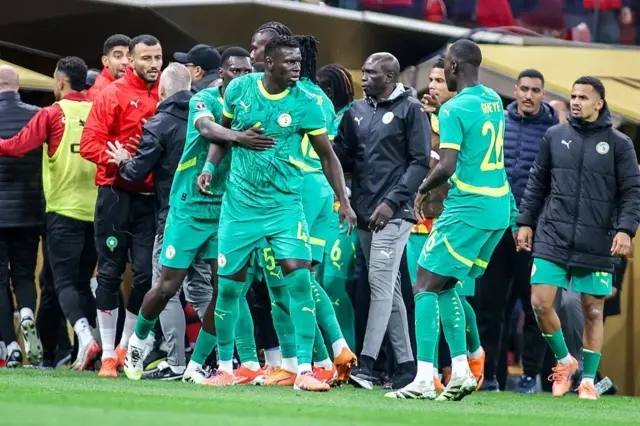
On February 3, the Royal Moroccan Football Federation (FRMF) announced its intention to appeal the initial sanctions from the CAF Disciplinary Committee following incidents at the final. The FRMF argued that the initial penalties were insufficient given the severity of the events, which included the withdrawal of Senegalese players and staff, a pitch invasion by their supporters, and subsequent scenes of chaos and violence.
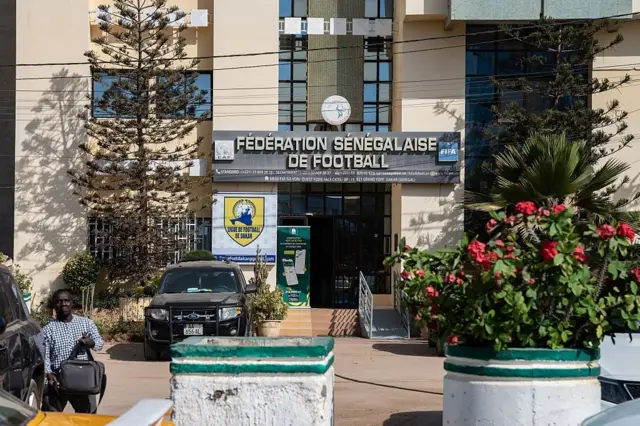
Sénégal’s final recourse: The Court of Arbitration for Sport (CAS)
Sénégal has announced its decision to take the case to the Court of Arbitration for Sport (CAS), the highest international body for resolving sports-related disputes. The Senegalese Football Federation has ten days to file its appeal with the CAS, which will then define the procedure.
Established in 1984 and based in Lausanne, Switzerland, the CAS is an independent organization that provides impartial judgments through arbitration and mediation. It hears appeals against decisions made by football federations and confederations like CAF, UEFA, and global bodies such as FIFA and the IOC.
The court comprises around 340 arbitrators from 84 countries, all chosen for their expertise in sports law and required to remain impartial. The timeline for a CAS decision can vary significantly, from 24-48 hours for urgent ad hoc procedures to several months for more complex cases.
How binding is a CAS decision?
Decisions rendered by the CAS are final and legally binding, concluding the judicial process within sports tribunals. According to its own statutes, a CAS verdict is not subject to appeal, provided the parties involved do not have residence or establishments in Switzerland and have expressly waived their right to appeal in their arbitration agreement. The ruling of the CAS will ultimately determine the true champion of the CAN 2025.