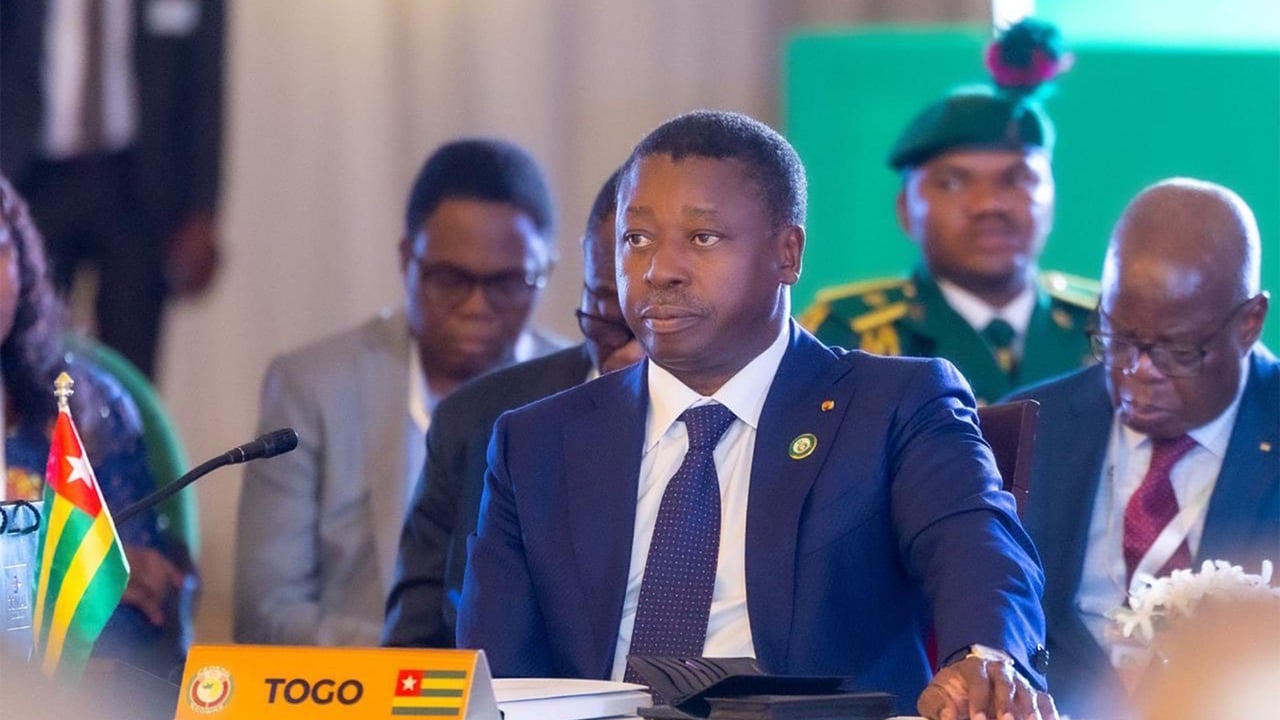

In the realm of international relations, Togo under Faure Essozimna Gnassingbé is mastering a delicate balancing act. On March 9, the Russian Defense Minister Andrei Belousov touched down in Lomé, where he held discussions with the Togolese President. While this high-level meeting was confirmed by a presidential source, it was notably absent from any official announcements—a telling sign of the Togo’s strategic discretion.
diplomatic subtleties in Lomé-Russia talks
The unannounced nature of the meeting underscores Lomé’s cautious approach to international partnerships. While the encounter reflects Togo’s openness to Russian cooperation, it also highlights the country’s determination to maintain neutrality amid shifting geopolitical dynamics. This silent diplomacy allows Togo to navigate complex relationships without drawing unnecessary attention.
Togo’s balancing act: ECOWAS, AES, and global players
Faure Gnassingbé faces a unique challenge: aligning Togo’s interests with the Economic Community of West African States (ECOWAS) while engaging with the Alliance of Sahel States (AES)—a bloc that includes Burkina Faso, Niger, and Mali. This balancing act isn’t just about regional stability; it’s about leveraging Togo’s position as a diplomatic bridge.
The Togolese President’s strategy revolves around strategic partnerships that don’t exclude any major player. Whether it’s the West through ECOWAS or the AES, Gnassingbé ensures Togo remains relevant without being boxed into rigid alliances. His approach reflects a broader trend in African diplomacy: maintaining flexibility to maximize national interests.
why Togo’s neutrality matters
Togo’s ability to engage with both sides of the geopolitical spectrum offers it a unique advantage. By avoiding overt commitments, Lomé can pursue economic opportunities while minimizing risks. This pragmatic stance is particularly crucial as West Africa grapples with security challenges and economic uncertainties.
The March 9 meeting with Russia is just one example of how Togo is positioning itself. Whether it’s securing energy partnerships or fostering military collaborations, Gnassingbé’s government is playing the long game—securing benefits without alienating key allies.
the road ahead: challenges and opportunities
As Africa’s geopolitical landscape evolves, Togo’s diplomatic agility will be tested. The country’s ability to balance relationships with ECOWAS, the AES, and global powers like Russia will determine its future influence. For now, Faure Gnassingbé’s silent diplomacy seems to be yielding results, positioning Togo as a key player in a region where neutrality is becoming increasingly rare.