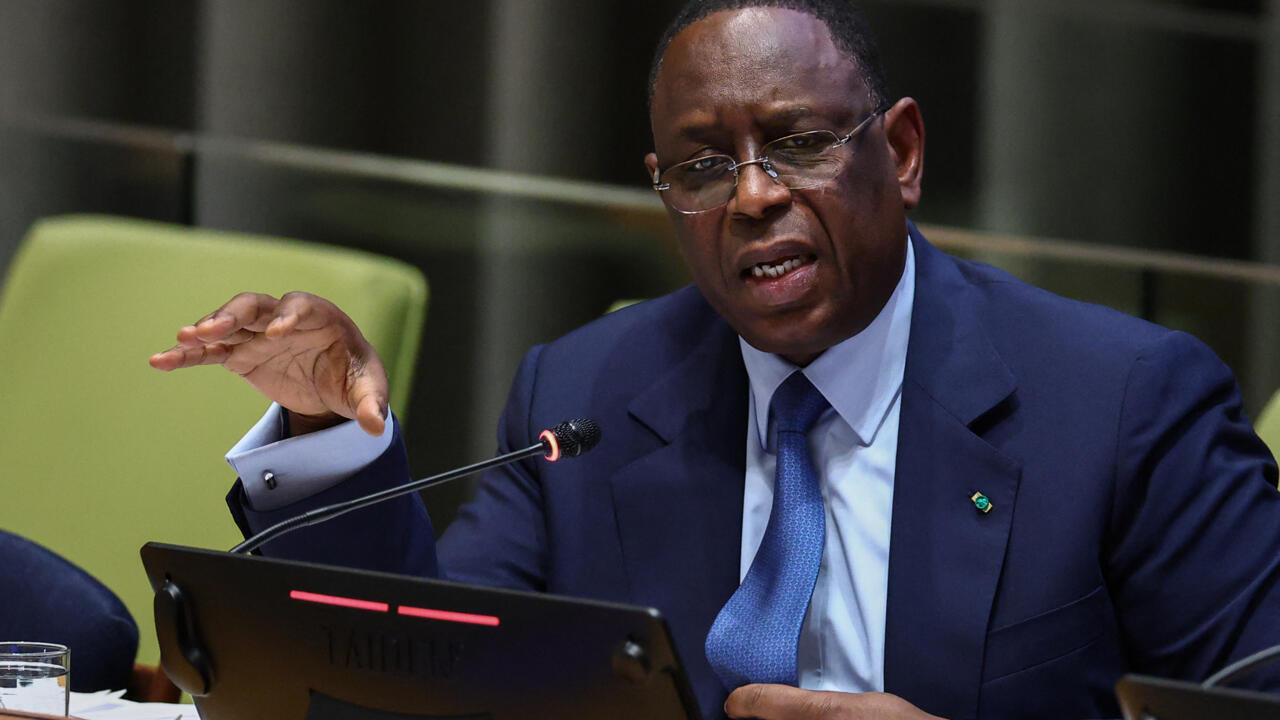
Senegal’s President Bassirou Diomaye Faye has reversed his earlier stance, pledging full government backing for former President Macky Sall’s candidacy for UN Secretary-General. This decision, announced on July 20, marks a significant diplomatic turnaround following earlier reservations expressed in March and opposition within the African Union.
A strategic move with far-reaching implications
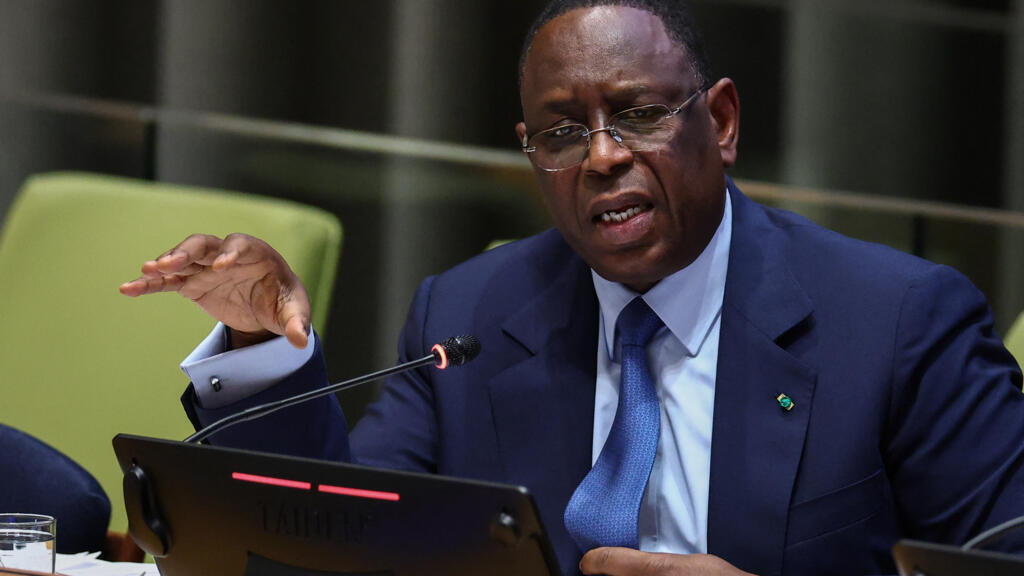
By rallying the entire diplomatic apparatus of Senegal behind Macky Sall’s candidacy, Bassirou Diomaye Faye has dramatically strengthened the former president’s bid. This endorsement allows Sall to claim the official backing of the country he led for twelve years. The reversal comes at a pivotal moment, raising critical questions about the motivations behind this strategic shift and its potential impact on Senegal’s political landscape.
Reasons behind the diplomatic about-face
Several factors may explain this unexpected decision:
- Strengthening national unity: The gesture could be aimed at fostering reconciliation across Senegal’s political spectrum.
- Regional diplomacy: Senegal’s support may serve broader geopolitical interests in West Africa and the African Union.
- Legacy considerations: Macky Sall’s candidacy represents an opportunity to secure his political legacy on the international stage.
- International pressure: Global expectations for African leadership in multilateral institutions may have played a role.
Political ripple effects in Senegal
The decision inevitably raises tensions with Ousmane Sonko, Sall’s former Prime Minister and a key political rival. Sonko’s relationship with both leaders may face renewed strain as this endorsement reshapes the balance of power.
Analysts suggest this move could further polarize Senegalese politics, particularly as the country approaches critical electoral cycles. The diplomatic gesture may either consolidate Sall’s regional influence or become a contentious issue in domestic politics.
What’s next for Senegal’s UN bid?
With Senegal’s full diplomatic weight now behind Macky Sall’s candidacy, the former president’s chances at the UN have improved significantly. The question remains whether this endorsement will translate into broader African Union consensus. The coming weeks will reveal whether this diplomatic shift succeeds in uniting regional support or becomes a source of further division.