Sénégal’s recent political reshuffle sparks speculation over economic policy shifts
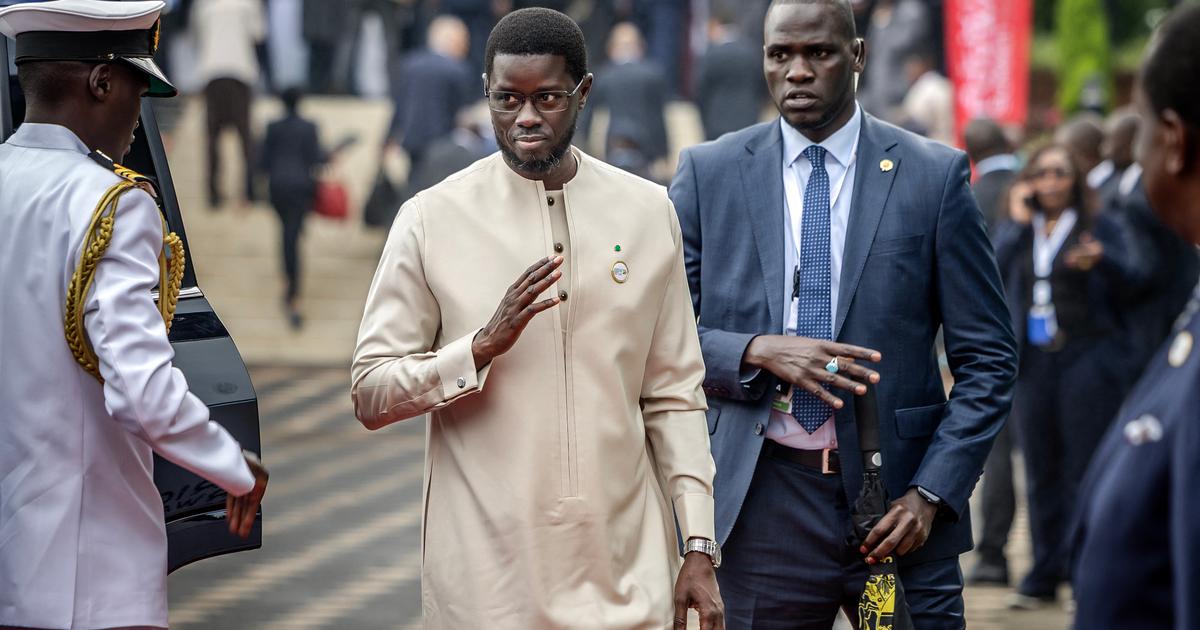
A swift and dramatic overhaul of Senegal’s political landscape has unfolded over the past week, marked by rapid institutional changes. On May 22, President Bassirou Diomaye Faye removed Prime Minister Ousmane Sonko from office. By May 25, a new head of government, Ahmadou Alhaminou Mohamed Lô, was appointed. The following day, Sonko was elected President of the National Assembly, completing a series of high-stakes political maneuvers that “reshaped the very core of national power”.
These developments have raised critical questions about the direction of Senegal’s economic policies, particularly in response to its mounting financial challenges. Economists warn that the country is “standing on the brink of a financial cliff”, with the public debt soaring to 132% of GDP. Rising energy costs, exacerbated by geopolitical tensions like the blockade of the Strait of Hormuz, have further strained the national budget, making debt servicing an increasingly precarious endeavor.
Historically, efforts to restructure the economy under International Monetary Fund (IMF) guidelines have faced resistance from domestic political factions, most notably the Pastef party. However, the recent political realignment has led some observers to speculate that the new administration may adopt a more pragmatic stance toward IMF recommendations. Could this shift in power dynamics pave the way for a more cooperative approach to economic reform?
What’s next for Senegal’s economy?
The coming weeks will be pivotal in determining whether the newly configured government will prioritize fiscal discipline and structural reforms. With inflationary pressures and debt sustainability looming large, the administration’s decisions could either stabilize the economy or deepen the crisis. The appointment of Lô and the election of Sonko to the Assembly suggest a government more open to external financial institutions, though the ultimate impact remains uncertain.