On November 2, judicial police in Niamey apprehended six media professionals, a move that represents a severe blow to press freedom. While three remain in arbitrary detention, international human rights organizations, including the FIDH and OMCT through the Observatory for the Protection of Human Rights Defenders, are demanding their immediate and unconditional release, condemning the ongoing judicial harassment.

Targeted journalists and legal charges
The individuals targeted include Moussa Kaka, director of Radio-télévision Saraounia (RTS) and former RFI correspondent; Abdoul Aziz Idé, a journalist at RTS; Ibro Chaibou, editorial secretary at RTS; Youssouf Seriba, director of the Échos du Niger website; Oumarou Kané, founder of the satirical weekly Le Hérisson; and Souleymane Brah, director of La voix du peuple.
All six have been charged with “complicity in the dissemination of information likely to disturb public order.” These charges are based on Article 31 of the 2019 Cybercrime Law, which was recently intensified by an ordinance issued in June 2024. If convicted, they could face prison sentences ranging from two to five years.
Detention and bail status
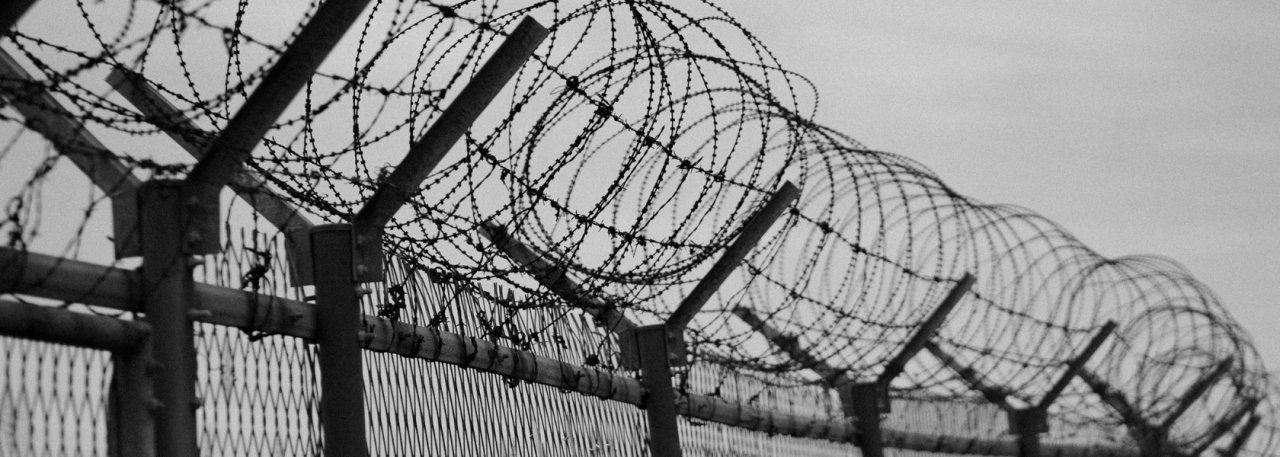
Following their initial hearing, a senior investigating judge in Niamey ordered the transfer of Ibro Chaibou, Youssouf Seriba, and Oumarou Kané to the Kollo high-security prison, located south of the capital. Meanwhile, Moussa Kaka, Abdoul Aziz Idé, and Souleymane Brah were granted bail after lengthy interrogations, though the criminal charges against them remain active.
The arrests were reportedly triggered by social media posts regarding an invitation for RTS to cover a press briefing by the “Solidarity Fund for the Safeguarding of the Fatherland” (FSSP). This body was established by the military administration to collect funds from the public and NGOs. The charges also relate to a debate program titled “Press Club” held on October 31, 2025.
A pattern of repression in Niger
Human rights observers argue that discussing or sharing an invitation letter does not constitute a threat to public order. Instead, these legal actions appear designed to intimidate the media and silence dissenting voices, violating international treaties such as the International Covenant on Civil and Political Rights and the African Charter on Human and Peoples’ Rights.
This is not the first time journalists like Moussa Kaka have been targeted; he previously faced similar arbitrary charges in 2007. Furthermore, the current environment in Niger has seen a significant tightening of civic space since the July 2023 coup. Other media figures, such as Hamid Mahmoud, Mahaman Sani, and Massaouda Jaharou from Sahara FM, have also faced detention and charges of “undermining national defense” for relaying information from external news sites. Moussa Tchangari, another human rights defender, has also been held for nearly a year.
Call for legislative reform
The Observatory urges the authorities in Niger to drop all charges against these journalists and release those still held in Kollo prison. There is also a pressing need to reform the Cybercrime Law, particularly the 2024 amendments that reintroduced prison terms for defamation and “disturbing public order,” which are often used to suppress human rights defenders and the press.