solar-powered healthcare revolution in niafounké, Mali
In the remote town of Niafounké, nestled in Mali’s northern region of Tombouctou, Médecins Sans Frontières (MSF) has transformed healthcare delivery through a cutting-edge solar energy initiative. This innovative project replaces a diesel-dependent system, ensuring uninterrupted medical services in an area plagued by both isolation and security challenges.
from diesel dependency to solar resilience
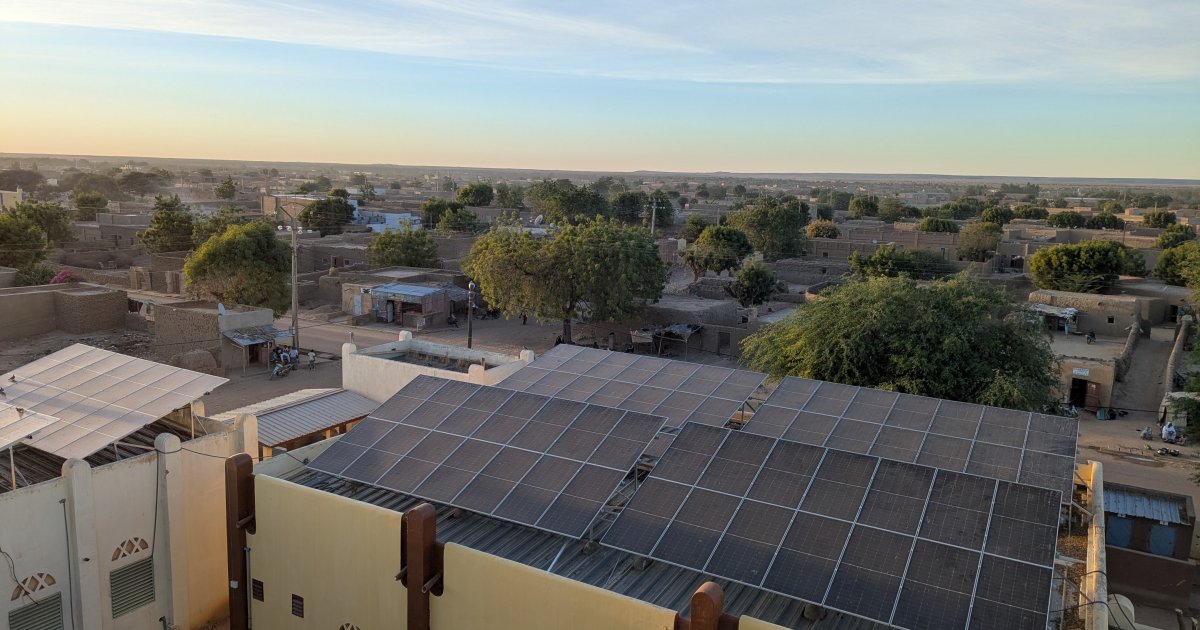
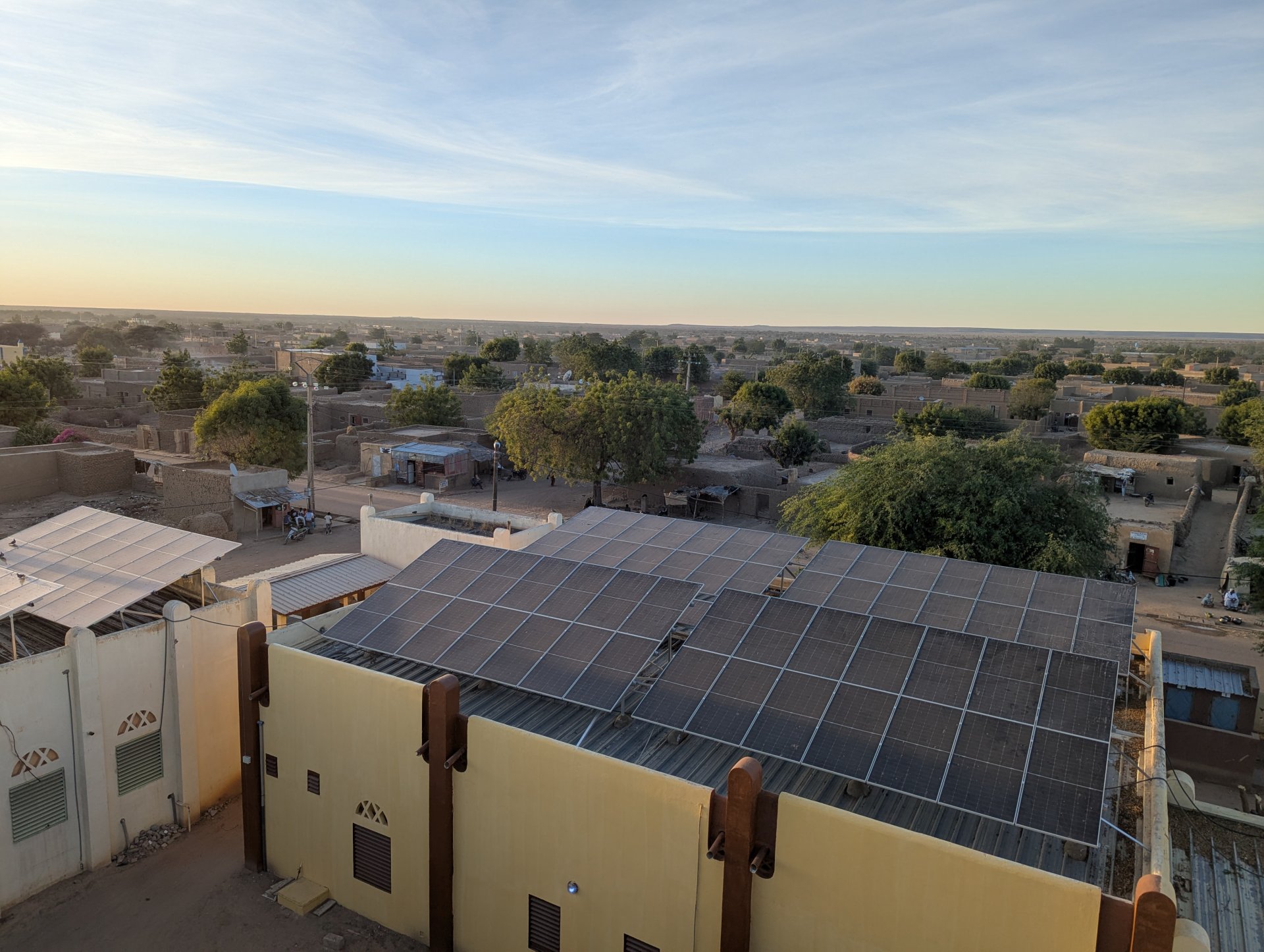
The 90 kWc solar photovoltaic system, complemented by a 210 kWh lithium battery storage and an 80 kVA backup generator, now covers approximately 60% of the hospital’s energy requirements. This hybrid solution seamlessly integrates solar power, municipal electricity, and the generator, providing reliable energy 24/7.
Previously, the hospital relied almost exclusively on an unreliable diesel-powered thermal plant, forcing medical teams to frequently use an expensive and maintenance-heavy generator. The transition to solar energy has dramatically reduced these costs while enhancing operational efficiency.
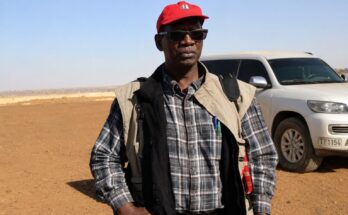
By minimizing diesel consumption and generator maintenance, we can redirect critical funds toward patient care. This solar installation ensures life-saving equipment like oxygen concentrators, surgical suites, and blood storage refrigerators operate without interruption. — Souleymane Ouattara, MSF energy project coordinator in Tombouctou
tangible benefits for patients in crisis
For displaced families like Fadi’s—who fled armed group threats in Léré village—the stability of medical services is a lifeline. “I arrived with my children and sister after being forced to leave our home,” she shares. “Today, I bring my son Ousmane to the pediatric unit.” In a region marked by conflict and displacement, reliable healthcare is more than essential—it’s a source of hope.
sustainable healthcare through msf’s green initiative
This project aligns with MSF’s Green Initiative, a global strategy to reduce environmental impact while improving operational efficiency. Across the Sahel, including Mali, MSF has been deploying hybrid solar systems to decrease reliance on costly, polluting diesel—a logistical challenge in remote areas.
The environmental and financial savings enable MSF to reinvest resources into primary healthcare, strengthening community health centers and supporting isolated villages in the Tombouctou region’s Gourma area. Since 2019, MSF has also run a pediatric project at Niafounké hospital, treating children under 15 and providing critical care in underserved communities.
a model for resilient healthcare systems
In fragile humanitarian contexts, solar energy does more than power hospitals—it fosters autonomy, sustainability, and dignity. By combining environmental responsibility with humanitarian action, MSF is building a future where medical care thrives even in the most challenging environments.