Inside the political storm: Sonko’s account of his removal
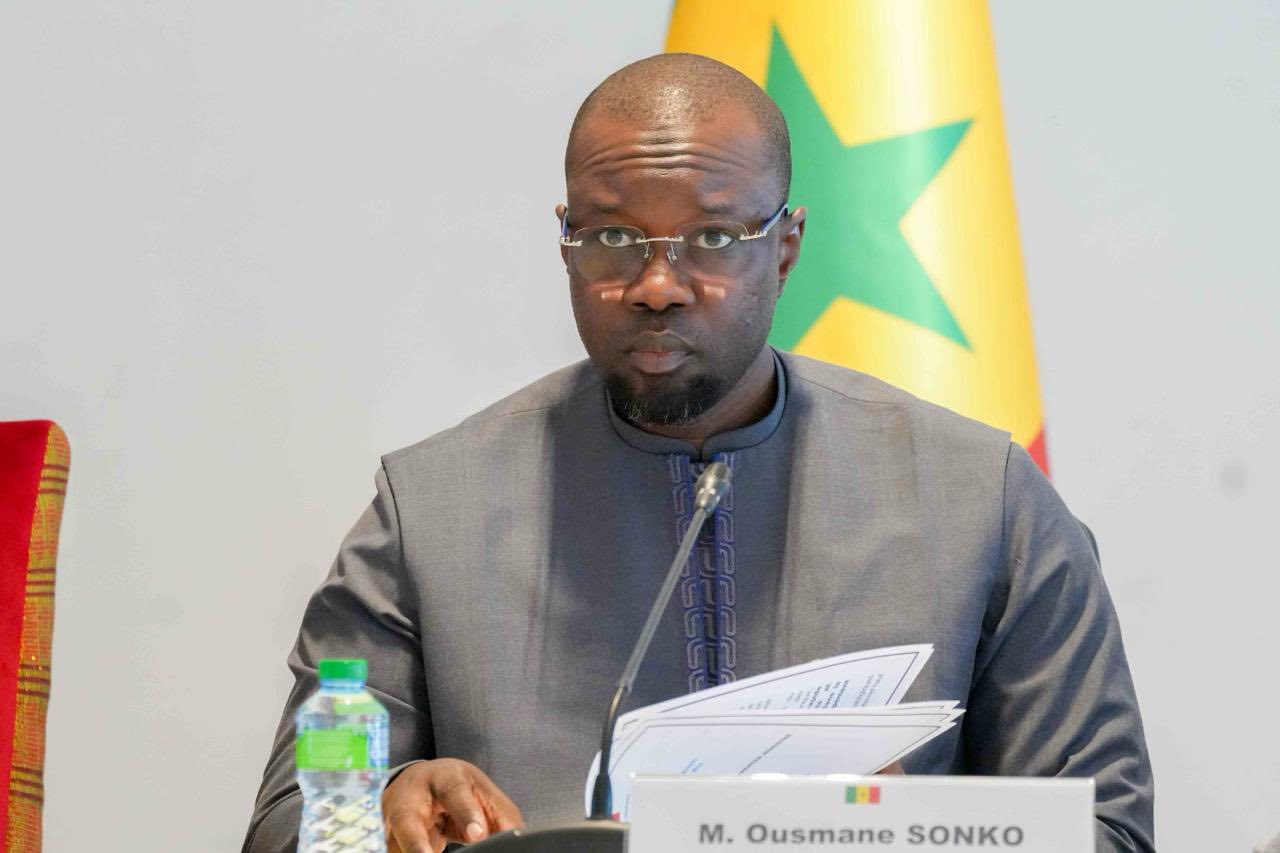
In a candid public address, Ousmane Sonko, former Prime Minister and leader of the Pastef party, shed light on the behind-the-scenes drama that led to his abrupt departure from government. His revelations paint a vivid picture of tensions at the highest levels of the state, culminating in a decision that has sent shockwaves through Senegal’s political landscape.
The final conversation
The fateful day, Friday, May 25, began like any other for Sonko. After addressing the National Assembly, he received a summons from President Bassirou Diomaye Faye. Over the course of their meeting, the President cited Sonko’s parliamentary statements as the primary reason for the irreparable breakdown in their working relationship. “The President made it clear that continuing our collaboration would be extremely challenging due to the complications arising from my interventions in the Assembly,” Sonko recounted.
This was not the first time the two had discussed the possibility of Sonko leaving his post. According to his account, the former Prime Minister had raised the issue on three separate occasions—each time in the presence of witnesses. “I told him that if my presence in the Executive branch was hindering his agenda, I was prepared to return to the Assembly and allow the majority to appoint a new Prime Minister. But he consistently refused,” he asserted.
Signals of an impending crisis
Sonko admitted to sensing growing unease within the government for weeks. “There were clear indications that something was amiss. I brought this to his attention, but I was operating under his direct supervision at the Prime Minister’s office,” he explained. The final meeting, he said, was devoid of any discussion about the terms of their separation. Instead, the President reportedly insisted that Sonko publicly frame their parting as amicable. “He wanted me to take the fall and issue a statement claiming we had parted ways on good terms. I refused,” Sonko stated firmly.
When pressed on the matter, the former Prime Minister proposed two alternatives: either his return to the Assembly to facilitate the appointment of a successor, or a collaborative effort to find a mutually agreeable solution. Otherwise, he argued, the President should take full responsibility for the decision. “I left the door open for dialogue, but he chose a different path,” Sonko noted.
A last-minute announcement
According to Sonko’s timeline, the President had indicated he would resume discussions after a scheduled visit to the Archbishop of Dakar for Pentecost celebrations. “He assured me he would reconnect upon his return to finalize our agreement. Yet, at 8:35 PM, I received a message informing me of the decision,” he revealed. Minutes later, the official announcement of his dismissal was made public by the Secretary-General of the Presidency. “Fifteen minutes after that, I saw the statement. I started packing my belongings to return to Keur Gorgui, a place I had truly missed,” he concluded with a mix of resignation and defiance.