Following the July 2023 coup d’état in Niger and the subsequent imposition of stringent regional sanctions, the relationship between Cotonou and Niamey plunged into a severe crisis. This period was characterized by tightly sealed borders and a barrage of accusations emanating from Niger. However, a closer examination of the situation reveals a more intricate narrative: despite the firm stance taken by the Alliance of Sahel States (AES), Bénin consistently pursued avenues for reconciliation. The recent official visit by Bénin’s new president, Romuald Wadagni, to Niamey stands as the ultimate testament to this persistent diplomatic outreach and Cotonou’s undeniable commitment to restoring trust.
Consistent efforts for de-escalation amidst persistent hurdles
While the crisis escalated over several months, Bénin took concrete steps early on to initiate a de-escalation:
- Early lifting of economic restrictions: By late 2023, Bénin proactively removed suspensions on goods transiting to Niger through the vital Port Autonome de Cotonou. This move aimed to reactivate Niger’s economic lifeline, yet Niamey maintained its border closure, citing “security reasons.”
- The strategy of high-level envoys: As the deadlock persisted, Béninese authorities actively supported and facilitated significant mediation efforts. The initiatives undertaken in Niamey by former Béninese presidents Nicéphore Soglo and Thomas Boni Yayi during the summer of 2024 underscored Cotonou’s unwavering resolve to re-establish dialogue, transcending political differences.
- Safeguarding shared interests: Despite intense disagreements concerning the WAPCO Niger-Bénin crude oil export pipeline terminal, Bénin consistently ensured the preservation of this critical infrastructure. Such pragmatic stewardship averted an irreversible breakdown, thereby maintaining the sole technical link connecting the two nations.
Romuald Wadagni’s arrival: A fresh opportunity for renewed ties
The election and subsequent inauguration of Romuald Wadagni as Bénin’s president in May 2026 presented a significant window for progress. As a highly respected technocrat and former Minister of Finance, the new head of state possesses invaluable political neutrality, remaining unassociated with the more divisive decisions made during the post-coup period of 2023.
A powerful initial signal emerged from Niamey, marked by the presence of Nigerien Prime Minister Ali Mahamane Lamine Zeine in Cotonou for President Wadagni’s inauguration, effectively breaking a prolonged diplomatic isolation.
The ultimate demonstration of good faith
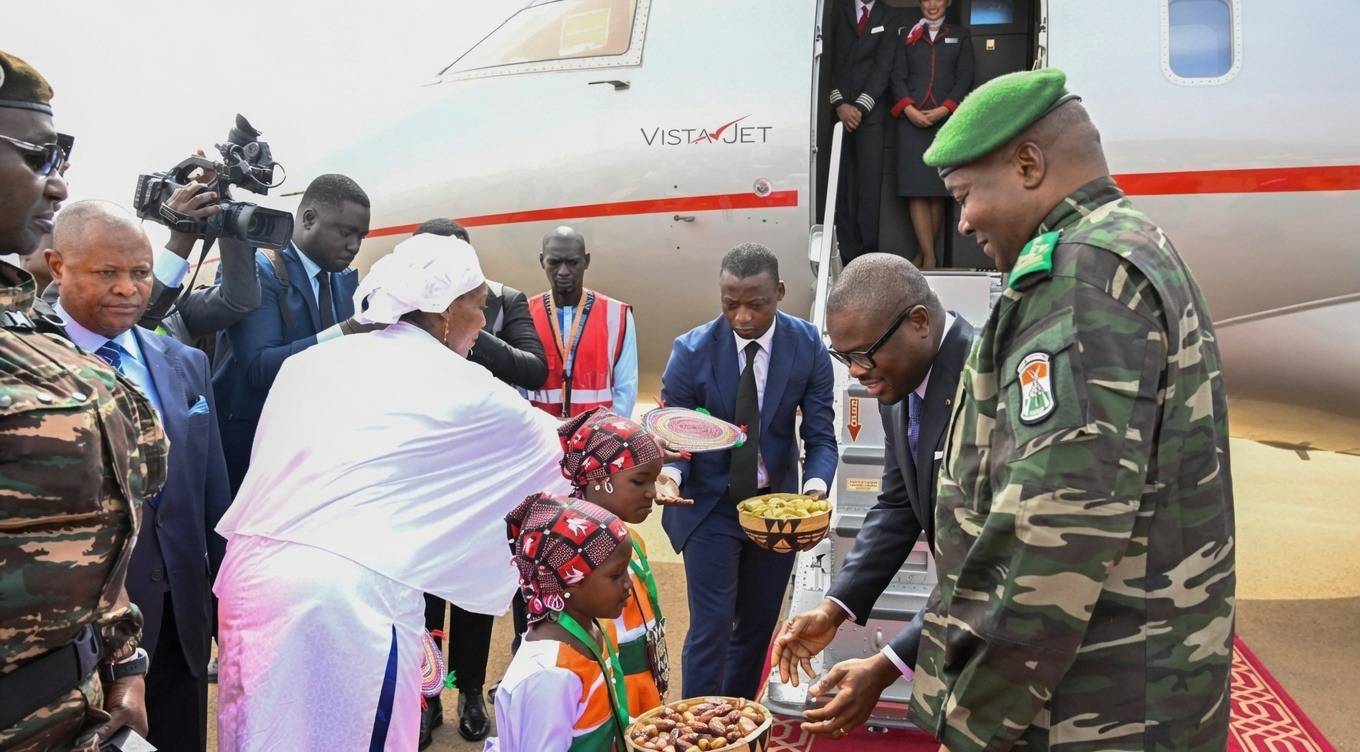
By dedicating one of his inaugural official trips to Niamey, Romuald Wadagni delivered the «gage de bonne volonté» (pledge of goodwill) that the AES regimes had so actively sought. This presidential visit unequivocally illustrates Bénin’s commitment to prioritizing regional reconciliation. By engaging directly with General Abdourahamane Tiani and Captain Ibrahim Traoré, President Wadagni signals his government’s readiness for open, pragmatic, and straightforward dialogue.
Interdependencies necessitating pragmatic cooperation
This diplomatic thaw is more than symbolic; it responds to urgent and shared practical needs:
- The imperative of security: Armed violence within the shared transborder zone, specifically the W-Arly-Pendjari complex, surged by nearly 86% between 2024 and 2025. Neither nation can effectively counter the jihadist threat in isolation. Re-establishing bilateral military cooperation is now a matter of survival for communities residing along the border.
- Economic stagnation: Niger urgently requires the Béninese corridor to mitigate living costs and ensure stable supply chains. Bénin, in turn, seeks to boost revenues generated by the Port Autonome de Cotonou.
By venturing into the heart of the AES, Romuald Wadagni has decisively turned the page on past misunderstandings. Bénin unequivocally demonstrates its respect for the sovereignty of its neighbors and its full dedication to the shared stability and prosperity of the sub-region. The onus now rests with Niamey to convert this significant diplomatic overture into a complete reopening of the borders.