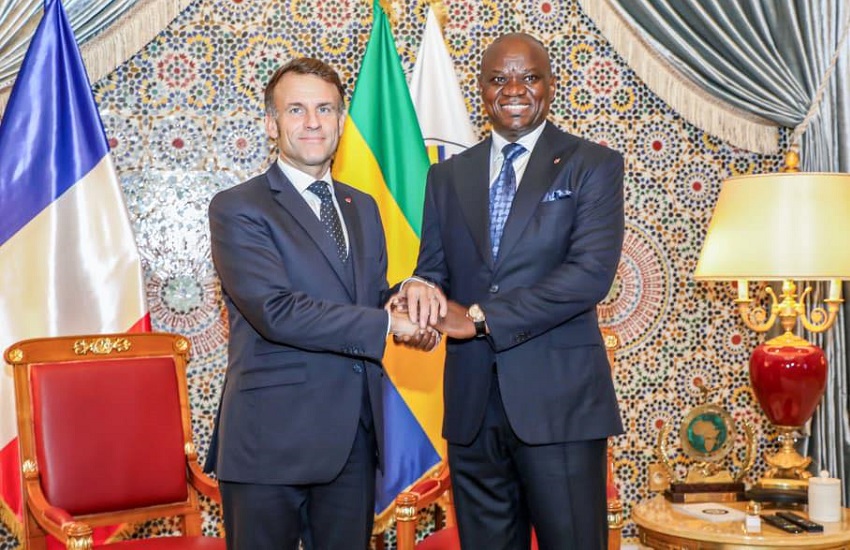
France and Gabon forge a strategic partnership
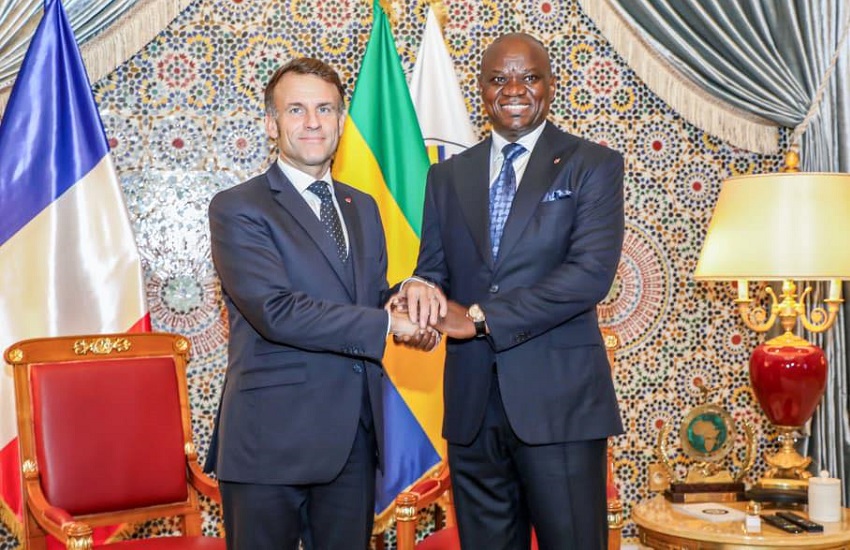
Libreville, June 4, 2026 – President Brice Clotaire Oligui Nguema’s upcoming state visit to France on July 20 marks more than just a diplomatic milestone. It signals a deliberate shift in how Gabon engages with its former colonial power at a time when Africa’s geopolitical landscape is rapidly evolving.
Announced during a high-profile interview, this visit underscores Gabon’s decision to pursue a renewed partnership with France—one rooted in mutual interests rather than historical dependencies. Unlike neighboring nations that have distanced themselves from Paris, Gabon is opting for a pragmatic approach, emphasizing cooperation while asserting its sovereignty.
Brice Clotaire Oligui Nguema has been vocal about this vision, declaring that Gabon-France relations remain “in excellent shape.” His words reflect a broader strategy: building a relationship that serves both nations’ long-term goals without compromising Gabon’s independence.
A legacy of cooperation under transformation
Since gaining independence in 1960, Gabon and France have maintained one of Africa’s most enduring diplomatic partnerships. Security, economic ties, education, infrastructure, and French military presence were once the cornerstones of this alliance. For decades, Gabon stood as France’s steadfast ally in Central Africa.
Yet the world has changed. The rise of new global players—China, the UAE, Turkey, and India—has shifted the balance. African nations now demand greater control over their resources and foreign policy choices. Gabon is no exception. The relationship with France is no longer built on reflexive allegiance but on a model of shared economic benefits, skill transfers, and local value creation.
Security cooperation: a test of sovereignty
Military cooperation will be a key focus during the visit. Questions linger about France’s restructuring of its military presence at Gabon’s Camp de Gaulle. President Oligui Nguema has clarified that the move was initiated by Paris, not Libreville, and stressed that Gabon did not “drive out” French forces.
This distinction matters in today’s Africa, where anti-French sentiment has led to abrupt military withdrawals in the Sahel. Gabon, however, is taking a measured approach. A reduced French contingent will remain, primarily to train Gabonese troops, signaling a gradual shift toward national self-reliance. The planned conversion of Camp de Gaulle into a national training center—renamed to reflect Gabonese identity—further illustrates this commitment to sovereignty.
Economic ties: from investment to shared growth
While historical and security issues dominate discussions, the economic dimension remains critical. France remains one of Gabon’s top foreign investors, with French companies holding key positions in vital sectors. Yet Libreville now seeks deeper economic reciprocity—local processing of raw materials, job creation, and industrial development.
The upcoming talks between Emmanuel Macron and Brice Clotaire Oligui Nguema aim to redefine this economic bond. The goal is no longer just attracting capital but fostering a partnership that fuels Gabon’s economic diversification while offering French firms a stable, prosperous environment.
Toward a balanced future
This state visit arrives at a pivotal moment. Gabon seeks to strengthen its sovereignty without severing ties that fuel its progress. France, meanwhile, is recalibrating its African strategy amid waning influence. The two nations are moving away from the imbalanced dynamics of the past toward a partnership based on equality, mutual respect, and shared interests.
The success of this visit won’t hinge on ceremonial gestures but on tangible outcomes. Can Gabon and France turn a decades-long alliance into a modern, mutually beneficial model for the 21st century? The answer depends on their ability to navigate this delicate balance between history and progress.