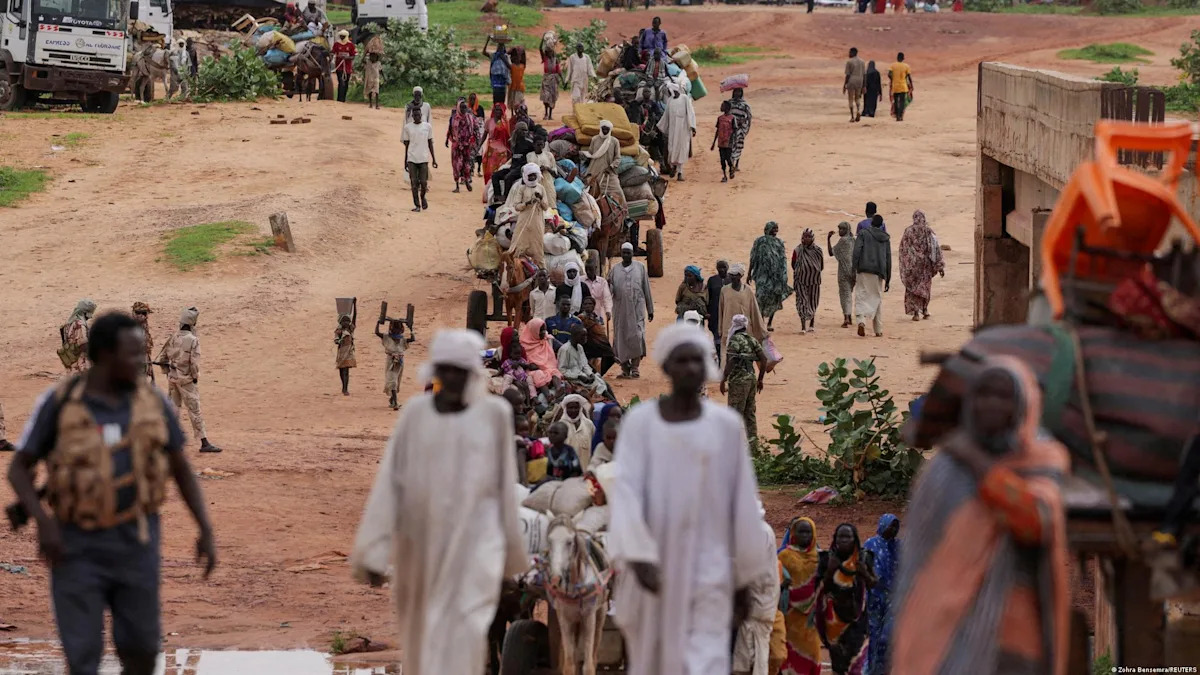
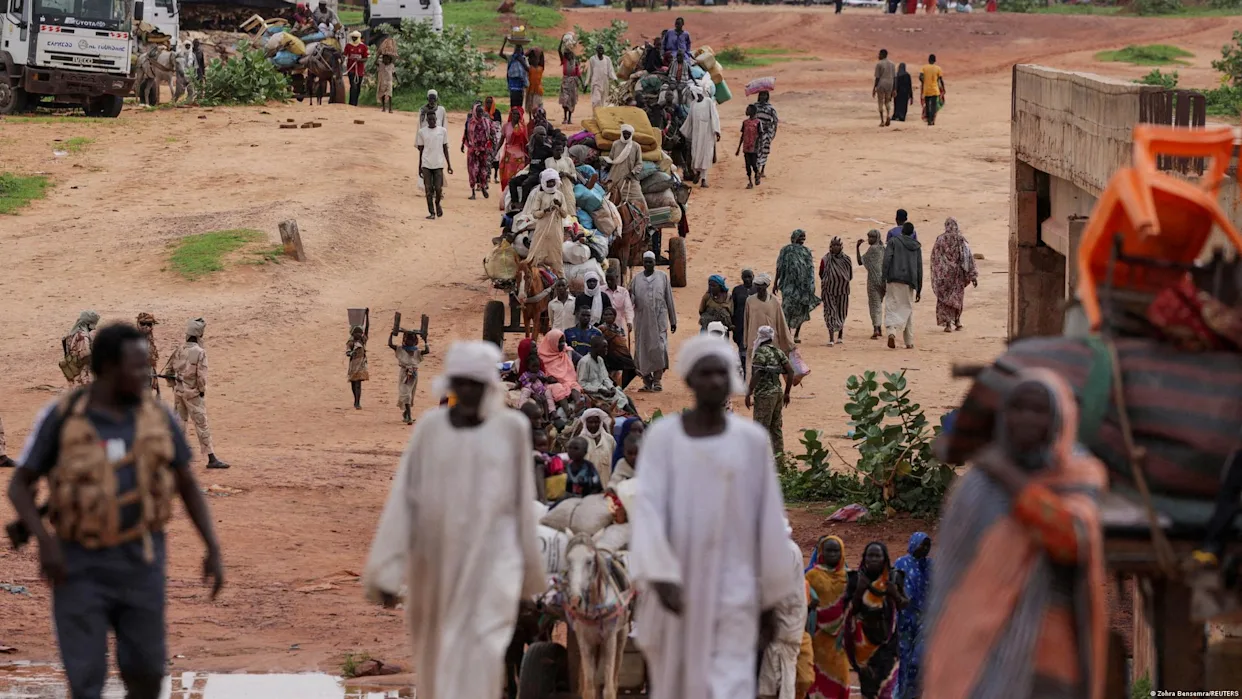
The violent conflict in Sudan is fueling a catastrophic humanitarian emergency. Approximately one million displaced individuals have sought sanctuary in Chad, which is now on the front lines following the fall of El-Fasher in North Darfur. In just a fortnight, nearly 100,000 civilians escaped the city, with about 6,000 crossing into Chadian territory. This influx places an immense burden on a nation already struggling with years of regional volatility.
A strategic boundary under immense pressure
The 1,300-kilometer border separating the two nations spans vast desert expanses that are notoriously difficult to monitor. Historically a corridor for rebel groups and various militias, these areas are currently threatened by the rapid expansion of the Rapid Support Forces (RSF), who now dominate most of Darfur.
Military friction has intensified since late 2024. A drone strike claimed the lives of two Chadian soldiers in December, while a January 2025 incursion near Tiné, linked to the RSF, resulted in seven fatalities. In response to these provocations, N’Djamena has completely sealed the frontier to prevent the Sudanese war from spilling further into its own lands.
Official neutrality versus persistent allegations
While Chad maintains a stance of neutrality regarding the Sudanese civil war, several investigations and satellite data suggest that military equipment from the United Arab Emirates may have moved through Chadian soil to reach the RSF. Chadian officials have categorically denied these claims, pointing out that their own forces have been targeted by cross-border strikes.
These tensions are causing internal friction within the Chadian military. In April 2025, several high-ranking officers were dismissed, particularly those from the Zaghawa ethnic group. This community holds significant influence within the security apparatus and has historically been at odds with the RSF. Much like the complex dynamics seen in Burkina security reports, these internal shifts could have long-term consequences for the region.
Renewed diplomatic ties with France
Following a period of strained diplomacy, the Chadian leadership is once again seeking closer cooperation with Paris. The crisis in Sudan has become a central topic in discussions between Mahamat Idriss Déby and Emmanuel Macron.
Previously, France provided vital intelligence support that was essential for monitoring the border. As this assistance had recently waned, N’Djamena views a restoration of these ties as a strategic necessity to maintain stability across West Africa. This geopolitical shift highlights the interconnected nature of security challenges, from the Sudanese border to broader West Africa Burkina regional concerns.