In a strategic move to bolster regional trade, Chad is reviving critical transit corridors connecting N’Djamena to Douala and Bangui. The government is advancing a logistical modernization program aimed at streamlining commerce between Cameroon, Chad, and the Central African Republic (CAR), all of which rely heavily on the Port of Douala. The initiative goes beyond road infrastructure—it’s about economic competitiveness, food security, and deeper integration within the Economic and Monetary Community of Central Africa (CEMAC).
A lifeline for two landlocked nations
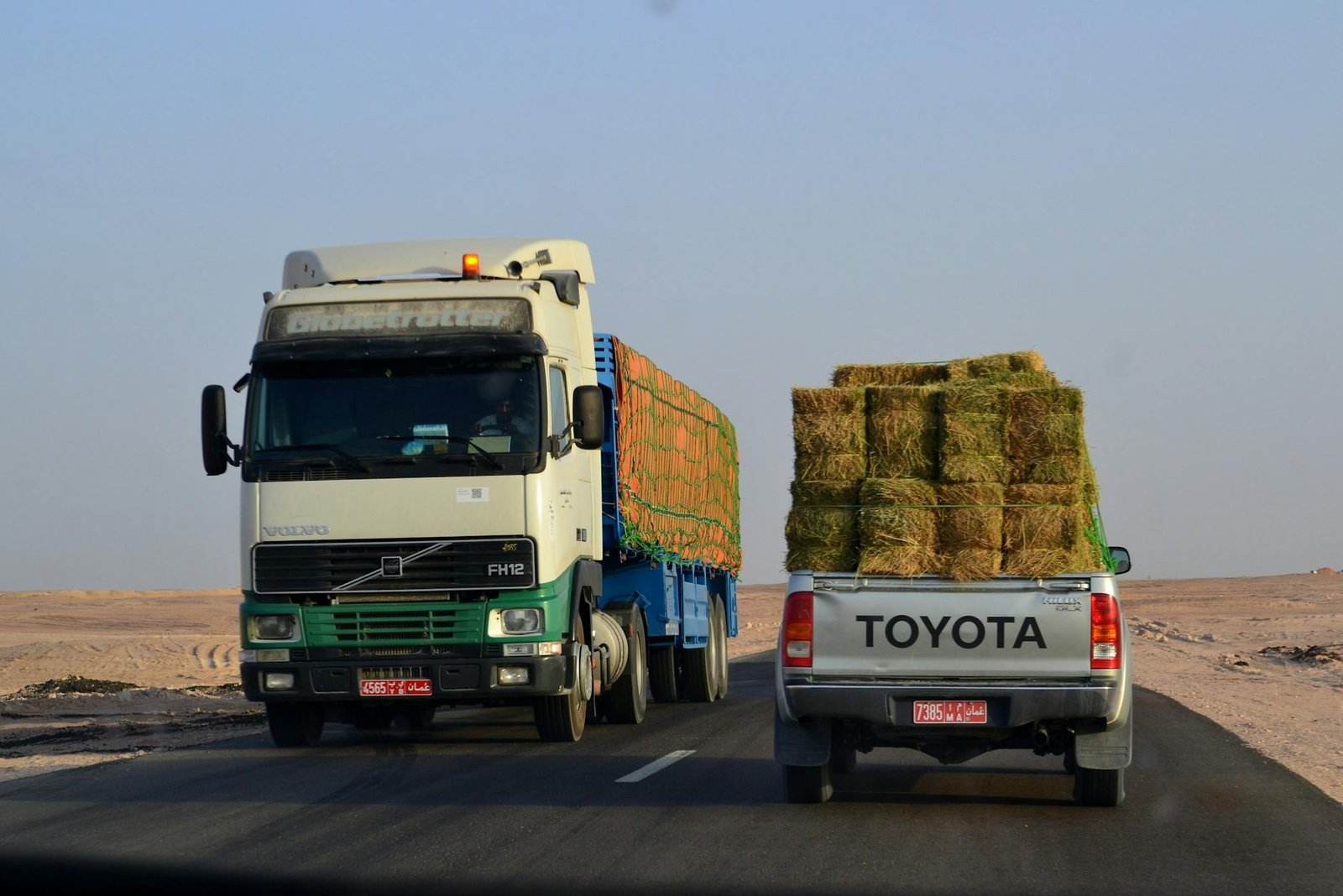
For both Chad and the Central African Republic, the Cameroonian corridor is the backbone of their trade. Historically, nearly 90% of Chad’s imports pass through Douala, the subregion’s leading deep-water port. The 1,800-kilometer Douala–N’Djamena route handles the bulk of external commerce. Any disruption—whether due to poor road conditions, bureaucratic hurdles, or security risks—quickly drives up consumer prices in N’Djamena.
The Douala–Bangui corridor faces similar challenges, compounded by years of instability in northeastern CAR. Delays on certain stretches stretch into weeks, far exceeding the theoretical transit time of about 10 days. This inefficiency erodes the competitiveness of goods and deters investment. The World Bank and African Development Bank have funded key sections before, yet systemic issues persist.
N’Djamena’s economic diplomacy push
By relaunching the project, Chadian authorities signal a new political resolve. The effort aligns with an assertive economic diplomacy under President Mahamat Idriss Déby Itno, aimed at strengthening Chad’s regional influence. N’Djamena seeks to gain leverage in negotiations with Yaoundé over smoother transit, fairer port tariffs, and convoy security. Bilateral talks are already underway to harmonize customs procedures, cut unnecessary checkpoints, and deploy electronic cargo tracking systems.
CAR, equally dependent on Douala, stands to benefit from tighter trilateral coordination. Joint discussions could help pool resources and present a unified front to development partners. Still, turning political pledges into action faces daunting budget constraints, as all three countries grapple with tight fiscal space.
Key hurdles to overcome for meaningful integration
Beyond announcements, corridor upgrades require deep structural reforms. Persistent roadblocks—excessive inspections, informal payments, and border delays—remain major pain points on Cameroonian and Chadian routes. A long-planned juxtaposed border post between Kousséri and N’Djamena still hasn’t fully materialized.
Security remains another critical challenge. The Lake Chad region remains vulnerable to Boko Haram-affiliated groups, while northern CAR sees frequent disruptions from non-state armed factions. Without lasting stability, logistical promises risk falling short. Meanwhile, competition looms: Nigeria’s Port Harcourt and Cameroon’s deep-water port at Kribi could reshape transit flows. Kribi, in particular, may absorb some of the traffic currently routed via Douala, prompting a rethink of supply chain strategies.
The Chadian-led initiative is both timely and daunting. Its success hinges on turning intentions into bankable projects, backed by international lenders and paired with governance reforms.