Critiquer Ousmane Sonko, un pari risqué au Sénégal
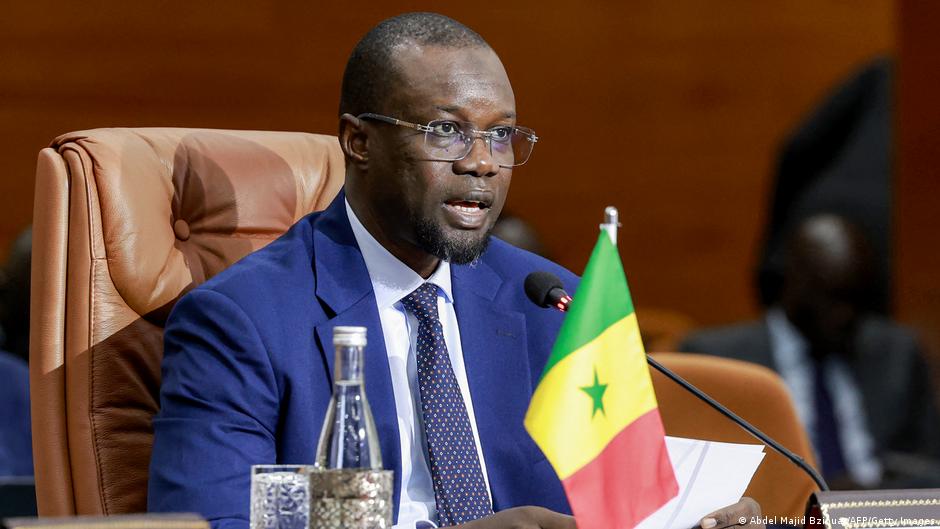
The political climate in Senegal is currently marked by a palpable tension between President Bassirou Diomaye Faye and the newly appointed President of the National Assembly, Ousmane Sonko, which is undermining the tranquility of democratic discourse. Civil society leaders and journalists have expressed serious concerns regarding an intimidating atmosphere across the nation. Individuals who voice criticism or opposition towards Ousmane Sonko frequently become targets of intense smear campaigns on social media, orchestrated by highly committed members of Pastef, the ruling party.
This situation has led to a form of self-censorship, as many fear potential digital or even physical repercussions for expressing dissenting views.
Furthermore, shortly after assuming his role as Prime Minister in early April 2024, Ousmane Sonko delivered statements perceived as threatening towards media outlets. He asserted: “We will no longer permit media to publish whatever they wish about individuals, under the guise of so-called press freedom, without any reliable sources.”
Threats against the judiciary
Ousmane Sonko has also consistently challenged the credibility of Senegal’s judicial system.
For instance, in November 2025, while serving as Prime Minister, Sonko publicly criticized certain magistrates for allegedly obstructing financial investigations. He claimed these actions perpetuated the very “system” he has opposed since entering politics, remarks that ignited significant anger among members of the judiciary.
Setbacks in women’s rights protection
Furthermore, numerous women are highlighting a regression in the protection of certain fundamental rights.
Ossama Monique Sagna, a prominent Senegalese feminist activist, points to the inadequate implementation of the 2010 parity law as a clear example.
She states, “Initially, there were fewer women ministers compared to the final government under Macky Sall’s administration. This represents a step backward for women’s political representation in decision-making roles.”
Macky Sall’s last cabinet included seven women, whereas Ousmane Sonko’s government, prior to his recent dismissal, only featured four. This translates to approximately 13% representation, sparking widespread debate, criticism, and disillusionment among the public.
Ossama Monique Sagna further emphasizes that the core feminist demands remain unchanged.
”This indicates minimal structural progress. Discussions persist regarding the reform of the Family Code, which continues to uphold discriminatory provisions against women. The effective implementation of the Maputo Protocol, particularly concerning reproductive rights and protection against gender-based violence, is still a talking point. These demands have seen virtually no movement because political responses have been insufficient. Moreover, the extremely serious issue of femicides and gender-based violence continues to escalate. In recent years, cases have multiplied, causing deep distress nationwide, yet a strong official response is often conspicuously absent” laments Ossama Monique Sagna.
Nationally, approximately 18 femicides were documented in 2025.