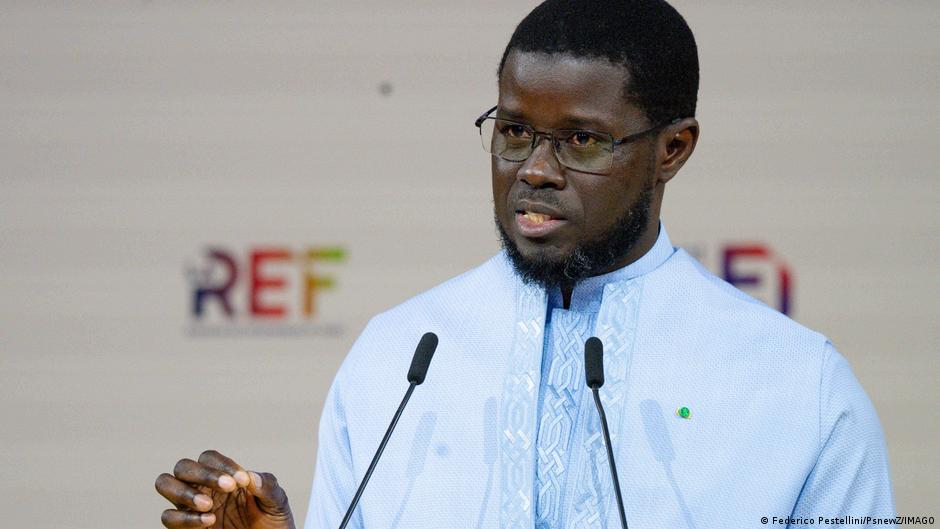
Senegal stands at a pivotal moment as President Bassirou Diomaye Faye navigates a complex political landscape shaped by recent shifts in power. The delicate balance between governance and reform has intensified following the appointment of a former ally to a pivotal parliamentary role, creating a scenario that demands strategic navigation.
political dynamics reshaping Senegal’s future
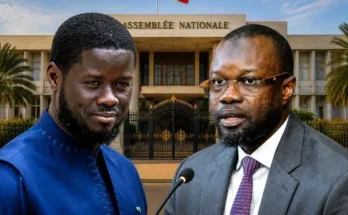
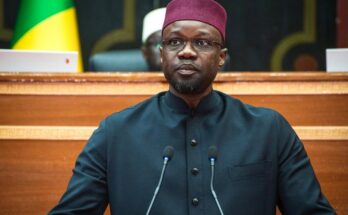
The unexpected ascent of Ousmane Sonko to the presidency of Senegal’s National Assembly marks a turning point in the country’s political trajectory. Despite originating from the same political movement as the head of state, Sonko’s rise reflects deep-rooted divisions within their ranks, underscoring the challenges Faye faces in maintaining cohesion. His election, backed by a strong parliamentary majority, positions him as the second most influential figure in the nation’s governance structure.
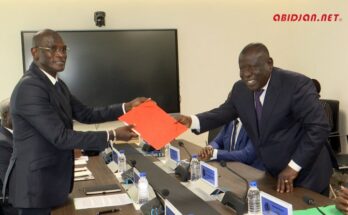
This development follows the dismissal of Sonko as Prime Minister, a decision that highlighted growing tensions between the two leaders. The appointment of Ahmadou Al Aminou Lô as the new Prime Minister further illustrates Faye’s efforts to consolidate authority while addressing pressing economic concerns that continue to strain the nation.
economic pressures and governance challenges
With Senegal grappling with economic hardships, the question of whether President Faye can implement meaningful reforms looms large. The country’s financial stability remains precarious, and public expectations for tangible improvements are rising. The political reshuffle at the highest levels adds another layer of complexity to an already demanding agenda.
The president’s ability to reconcile internal party divisions, manage parliamentary dynamics, and deliver on economic promises will define his tenure. Analysts warn that without careful navigation, these challenges could undermine both governance and public confidence.
expert insights into a nation in transition
To dissect these critical issues, a panel of distinguished analysts and scholars gathered to examine the implications of Senegal’s evolving political landscape. The discussion featured:
- Mamoudou Ibra Kane, a seasoned journalist and author whose work explores Senegal’s political evolution, offering a unique perspective on the current power struggles.
- Karine Oriot, a geopolitical analyst whose expertise sheds light on the broader regional implications of Senegal’s internal dynamics.
- Moussa Diaw, an emeritus professor of political science at the Université Gaston Berger in Saint-Louis, whose insights provide a deep understanding of Senegal’s governance challenges and international relations.
Together, these voices provide a comprehensive view of the forces shaping Senegal’s future, from political maneuvering to economic imperatives.