In Togo, the very institution meant to safeguard citizens is increasingly becoming a source of fear. The military, tasked with protecting the nation’s borders and maintaining peace, has instead been linked to violent intrusions into private homes, leaving families traumatized and trust in tatters.
When security turns into assault: the harsh reality in Togolese homes
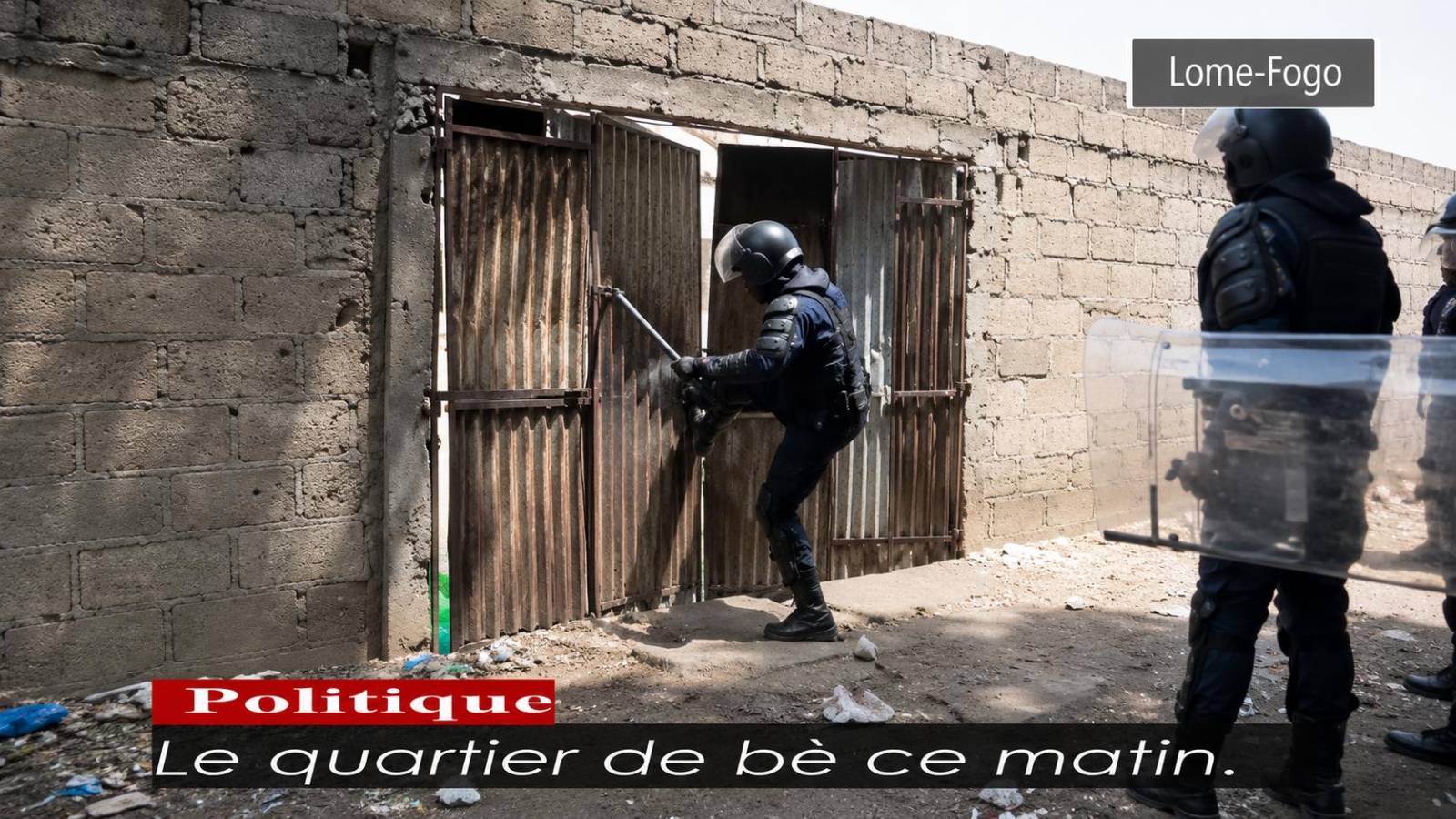
The home is supposed to be a sanctuary—where families gather, rest, and feel secure. Yet in Togo, especially in cities like Lomé and Sokodé, the sound of soldiers breaking down doors has become a nightmare for many. These unannounced raids, often without legal justification, escalate into shocking acts of brutality, leaving innocent civilians humiliated and injured in their own living spaces.
A pattern of impunity and fear
What should be a peaceful interaction with law enforcement too often spirals into violence. Soldiers, sworn to uphold order, have been reported striking civilians in front of loved ones, dragging young men from courtyards, and using intimidation as a tool of control. This isn’t strength—it’s a breach of trust and a violation of human dignity.
The consequences of these actions go far beyond physical harm. Each incident erodes public confidence in the state and fuels resentment toward the very institution meant to serve and protect.
- Broken trust: When citizens fear the soldiers patrolling their streets, the social contract between people and government collapses.
- Rising anger: Treating civilians as enemies doesn’t command respect—it breeds defiance and deepens social fractures.
- Legal violations: No regulation in Togo authorizes soldiers to assault civilians at home. Such behavior is not just unethical—it’s against the law.
The core issue: soldiers policing civilians
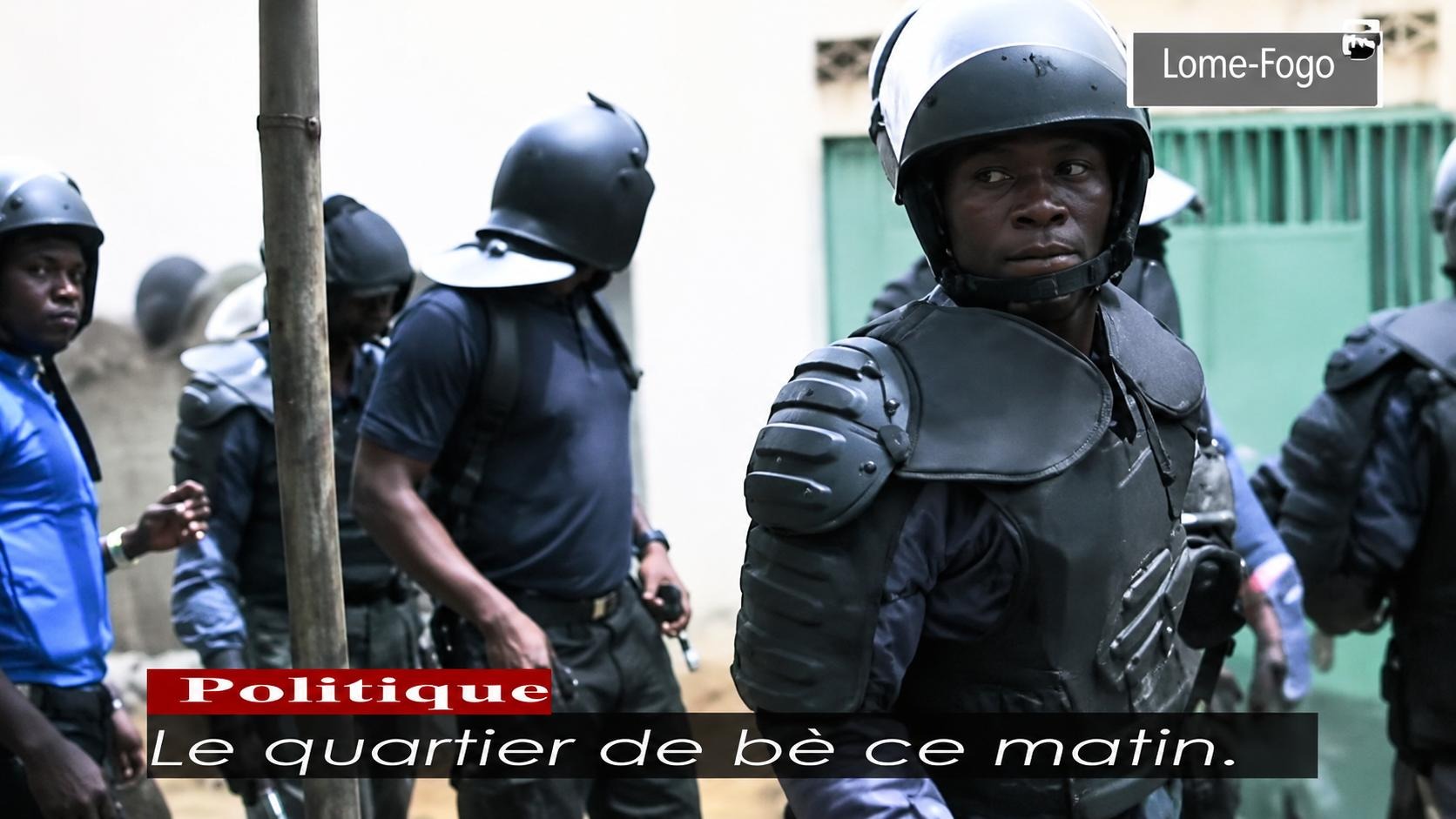
The root of the problem lies in the misuse of military personnel. Soldiers are trained for combat, not community policing. When deployed in residential areas, the line between law enforcement and occupation blurs. What should be a neighborhood becomes a battlefield, and neighbors become potential targets.
Why the silence from leadership must end
When a soldier raises a hand against an unarmed civilian, it reflects a systemic failure—not an isolated incident. It signals either tacit approval from superiors or a culture where fear, not discipline, drives behavior. The message is clear: those in charge are not holding their forces accountable.
Togo doesn’t need more violence to stay stable. It needs justice. Until soldiers who abuse their power face real consequences, the gap between the people and their military will only widen. An army that the public fears is no longer a national defense force—it’s an occupying force in its own land.
Restoring honor through accountability
True military honor isn’t measured by force against the defenseless, but by respect for the law and protection of every citizen. For Togo to heal, impunity must stop. Only when soldiers are held responsible for their actions will the cycle of fear and retaliation begin to break. The path forward is clear: justice, not violence, must define the relationship between the Togolese people and their armed forces.