Togo has made a decisive pivot in its airport management strategy, opting for private-sector expertise to rescue the embattled Lomé International Airport after catastrophic sanitation failures rendered its duty-free zones unsustainable.
From public failure to private rescue: why Lagardère steps in
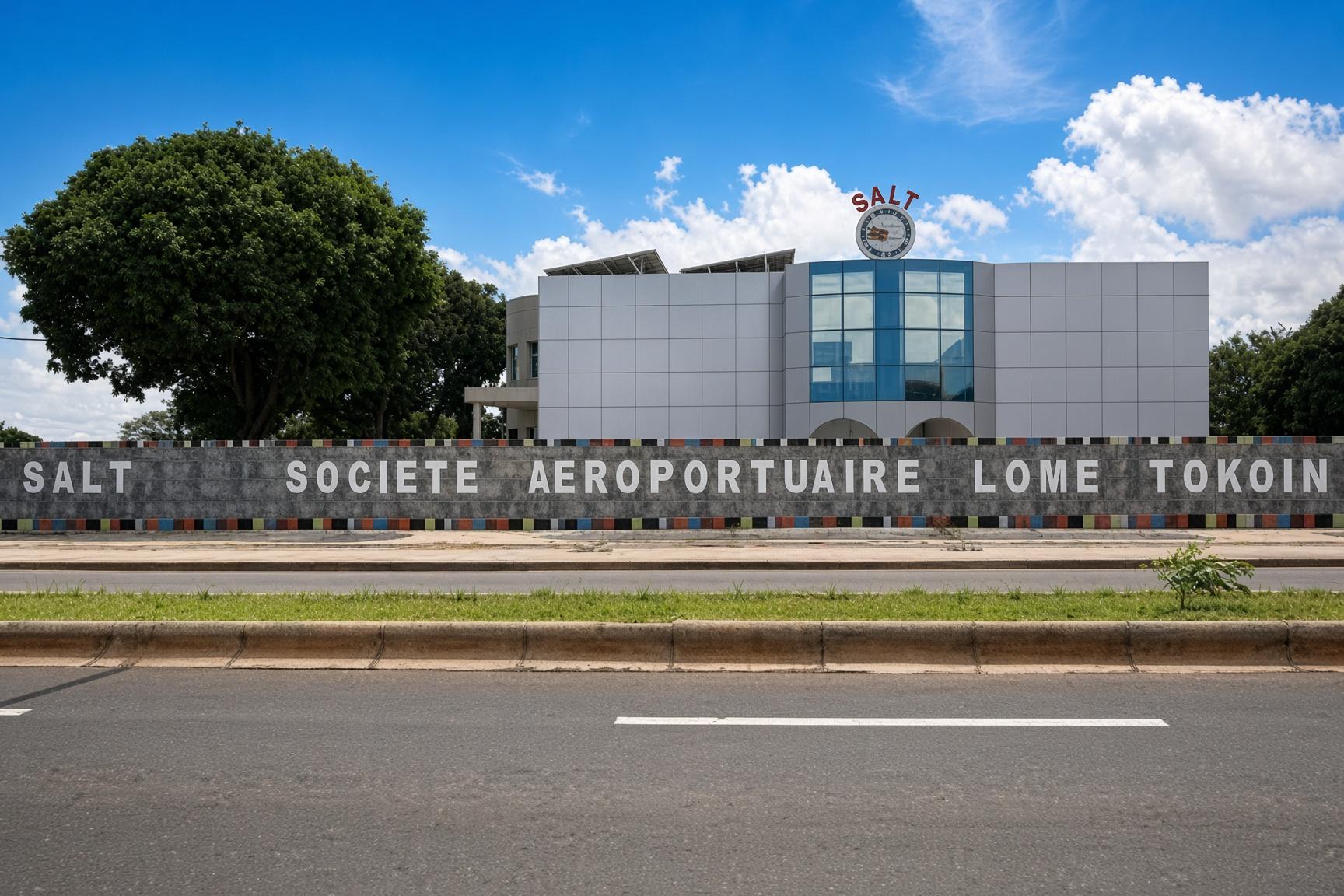
The State’s decision comes after years of struggling to transform the Gnassingbé-Eyadéma International Airport (AIGE) into a premier West African commercial hub. Chronic mismanagement by the Société Aéroportuaire de Lomé-Tokoin (SALT) reached a breaking point in early October 2026, when sewage overflow in the departure hall—dubbed by travelers and media as a ‘fecal storm’—laid bare the depths of infrastructural decay.
Despite initial attempts by SALT to downplay the incident as a ‘minor technical glitch’ or even accuse viral content of digital manipulation, the damage had been done. Passenger trust evaporated, airlines voiced concerns, and international benchmarks slipped further from reach. The incident became the catalyst for a long-overdue rethink: the state could no longer maintain operations in-house.
Duty-free overhaul: what Lagardère Travel Retail brings to the table
French multinational Lagardère Travel Retail, part of the Bolloré-backed Louis Hachette Group, is now positioned to take over the commercial management and duty-free concession at AIGE. The move is framed as a last-resort fix—but one with measurable benefits.
Lagardère’s track record includes high-profile airport retail partnerships across Africa, Europe, and Asia. Its expertise spans merchandising, revenue optimization, and passenger experience, offering a clear path to restoring AIGE’s reputation. The company has pledged fast-track modernization, compliance with international standards, and a restructuring of passenger-facing amenities—starting with the overdue repair of plumbing, ventilation, and sanitation systems.
Quick wins: restoring dignity to Lomé’s gateway
Immediate priorities for Lagardère include:
- Sanitation overhaul: Full rehabilitation of restroom facilities, drainage systems, and waste management
- Retail rebranding: Introduction of global duty-free brands alongside targeted support for Togolese artisans
- Passenger flow optimization: Enhanced signage, digital queuing systems, and bilingual staff training
- Cleanliness certification: Third-party audits to validate compliance with IATA and regional aviation safety norms
Sovereignty vs. efficiency: the political tightrope
While operational benefits are undisputed, the concession raises strategic concerns. Critics argue that entrusting a French-owned conglomerate—even one with local shareholding—to manage such a critical national asset risks eroding economic sovereignty. Questions persist over long-term revenue retention and the potential sidelining of domestic SMEs in favor of multinational brands.
Government officials counter that the urgency demanded immediate action. Restoring AIGE’s functionality is seen as vital to Togo’s image as a stable, investor-friendly destination. They assert that any commercial concessions can be structured to balance profit margins with national development priorities—such as reserving prime retail space for local producers or mandating employment quotas for Togolese citizens.
What’s next: Lagardère’s 5-year roadmap unveiled
The proposed agreement with Lagardère includes a five-year pilot phase, during which the company will:
- Invest upfront in infrastructure upgrades worth over $25 million
- Roll out a phased retail expansion across the terminal
- Implement a digital passenger management platform to streamline check-in and security flows
- Publish quarterly transparency reports on revenue generation and reinvestment
If benchmarks are met—particularly in service quality and revenue growth—Togo reserves the right to extend the concession or transition to a public-private partnership model with reduced foreign involvement.
For Lagardère, the project is more than a commercial contract; it’s a litmus test of global best practices in African airport management. For Togo, it’s a high-stakes gamble on whether outsourcing can deliver both dignity and development.
Can the gamble pay off?
The lessons from similar partnerships across the continent suggest cautious optimism. Airports in Accra, Dakar, and Nairobi have seen measurable gains in passenger satisfaction and non-aeronautical revenue after engaging private operators. But alignment between foreign operators and local economic goals remains a persistent challenge.
As AIGE prepares for its new era, all eyes will be on whether Lagardère can turn the tide—transforming a liability into an asset, one flush toilet and luxury perfume counter at a time.