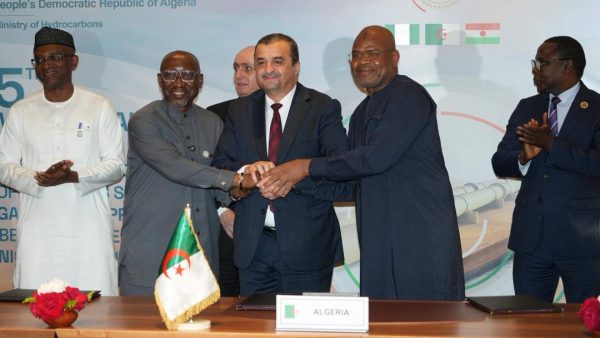
Algiers, June 4, 2026 — After years of anticipation, the trans-Saharan gas pipeline (TSGP) project has reached a critical milestone. On Wednesday, representatives from Niger, Algeria, and Nigeria convened in Algiers to endorse the updated feasibility study of this monumental energy infrastructure and reaffirmed their commitment to fast-track the required approval processes.
The nearly 715-kilometer pipeline aims to transport Nigerian natural gas through Niger en route to Algeria, with the ultimate goal of supplying European and international markets. For the three partner nations, this initiative stands as one of the most pivotal energy ventures on the African continent.
A continent-shaping energy initiative
The endorsement of the updated feasibility study marks a significant breakthrough for a project that has gained and lost momentum in response to shifting global energy dynamics. With nations worldwide seeking new gas supply sources, the TSGP emerges as a promising solution to elevate Africa’s role in the international energy landscape.
The initiative is also hailed as a catalyst for economic progress in the countries it traverses. Authorities in Niamey, Algiers, and Abuja anticipate substantial benefits, including job creation, increased foreign investment, and the development of related infrastructure across the Sahel region.
Strengthened collaboration among national energy firms
The three countries agreed to intensify coordination between their national oil and gas companies to expedite the project’s next phases. This technical and institutional collaboration is deemed essential for ensuring the pipeline’s financial and operational viability.
As part of this momentum, Algeria announced the commencement of construction on its segment of the pipeline—a bold move that underscores the country’s determination to advance this strategic initiative. This step comes at a time when Algiers is reinforcing its position as a key energy supplier to Europe.
Niger’s strategic gains from the pipeline project
For Niger, positioned at the heart of the proposed route, the trans-Saharan gas pipeline presents a transformative opportunity. Beyond generating transit revenues, the project could bolster the nation’s energy sector, enhance infrastructure, and elevate its geostrategic importance in the region.
In a regional landscape marked by economic and diplomatic shifts, Niamey views this tripartite partnership as a means to assert economic sovereignty and deepen regional integration.
The next challenge lies in translating this technical breakthrough into tangible progress on the ground. While experts widely acknowledge the pipeline’s potential, the three nations must sustain their collaboration and secure the necessary investments to turn this ambitious vision into an operational energy lifeline for Africa and its global partners.