Humanitarian Crisis in Mayo-Tsanaga as Boko Haram Ravages Villages
Over 50 abandoned villages, thousands displaced, and a state that turns a blind eye.
What began as a distant threat in Nigeria has now engulfed the Mayo-Tsanaga region of Cameroon. Boko Haram’s reign of terror, which started in Borno State in the early 2000s, crossed borders in 2014. The first Cameroonian village to fall was Tourou, near Mokolo, where militants established strongholds on Mount Gossi. A decade later, the attacks show no sign of relenting.
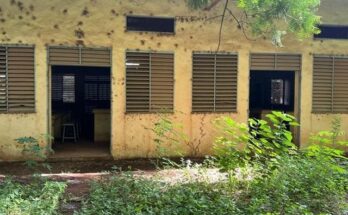
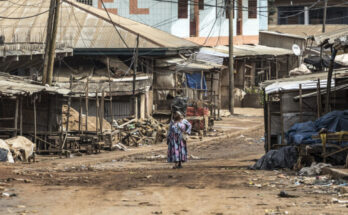
Boko Haram’s tactics remain brutally effective: arson, mass killings, looting, sexual violence, abductions, and the deliberate destruction of farms, markets, schools, health centers, and security posts. The result is a landscape of desolation. Entire communities have been wiped out, their lands left barren, their homes reduced to ashes. More than 50 villages in Mayo-Tsanaga—including Gossi, Vizik, Toufou, Koza, and Hitéré—have been either abandoned or occupied by insurgents. Residents either flee or are killed, leaving behind a ghostly silence where life once thrived.
In May 2022, the Deputy Mayor of Mokolo, Mahadek Nicolo Nouhou, presented a grim assessment to the Minister of Public Health: ten villages completely deserted, two under militant control, and seven regularly targeted. Today, the situation has worsened. Terrorists still hold sway over areas like Gossi, Toufou 1 and 2, Roum, and Hitawa—places where families once lived but now dare not return.
Fear dictates daily life. By night, men flee to mountain caves to escape the militants. By dawn, they return to tend to their fields, only to face the same cycle of violence. Children are left without schools, women without safety, and farmers without land. The psychological toll is immeasurable. Families torn apart, identities burned in the ashes of their homes, and futures left in ruins.
Despite the scale of the crisis, state response has been woefully inadequate. In recent attacks—such as the June 18, 2026 assault on Ldamang and Ldubam—only two soldiers were present to defend civilians against heavily armed militants. Local vigilante groups, armed with little more than machetes, are left to fend for themselves. The silence from local and national leaders is deafening. Promises made during electoral rallies vanish as quickly as the smoke from burning villages.
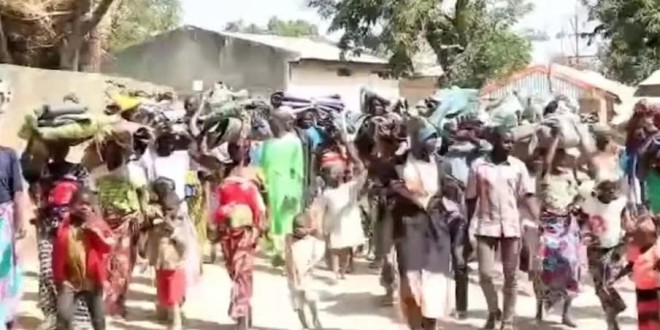
Displacement figures continue to rise. Over 9,000 people have been uprooted, with 482 more forced from their homes in early June alone. Some flee as far as Kalfou in Mayo-Danay, 210 kilometers from Mokolo, carrying nothing but the clothes on their backs. Birth certificates, national IDs, and memories are incinerated in the chaos. Parents lose children in the panic. Adolescents are left to fend for themselves, some dropping out of school, others turning to crime, and young girls facing a future stripped of hope.
Mayo-Tsanaga’s economy is collapsing. Fields lie fallow, schools shuttered, and markets deserted. Without urgent intervention, the region faces irreversible depopulation. The question remains: how many more villages must be erased before this crisis is treated as a national emergency?