UK pledges $26m for eastern DRC Ebola response, urges safe humanitarian access amid conflict
- Santé
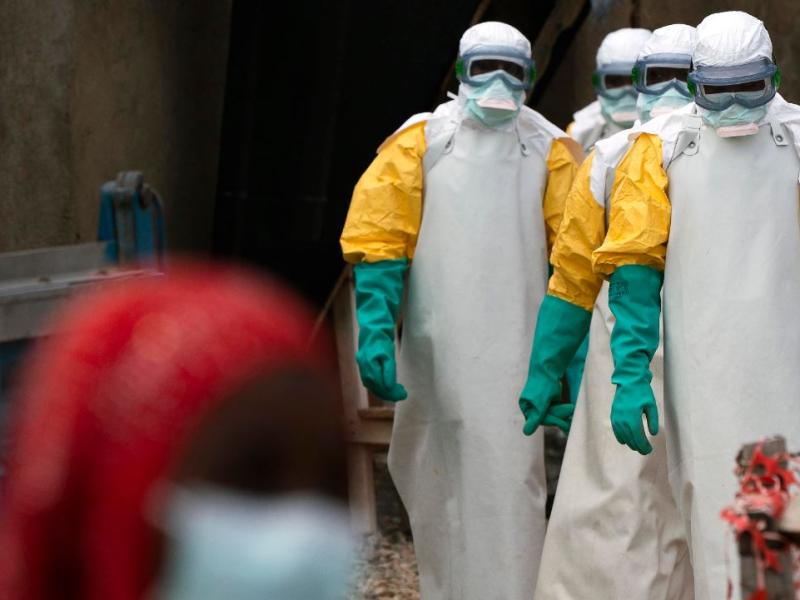
The ongoing Ebola epidemic across Nord-Kivu, Sud-Kivu, and Ituri provinces in the eastern Democratic Republic of Congo (DRC) is severely exacerbating an already dire humanitarian crisis. The United Kingdom has voiced profound concern over this escalating situation, with Minister Counsellor Jennifer MacNaughtan articulating the UK’s position during a United Nations Security Council session focused on the DRC.
The British diplomat commended the swift response from Congolese authorities in addressing this health emergency. She also acknowledged the crucial support provided by the United Nations Organization Stabilization Mission in the DRC (MONUSCO), which has been instrumental in delivering vital supplies to affected regions. Reaffirming its financial commitment, the United Kingdom has allocated up to $26 million to bolster the fight against Ebola in the region.
“We commend the rapid response of the Democratic Republic of Congo and welcome MONUSCO’s efforts to ensure essential supplies reach affected areas. The United Kingdom has pledged up to $26 million to support the fight against Ebola,” Jennifer MacNaughtan stated on Friday, June 26.
London is actively collaborating with Congolese authorities, international partners like the World Health Organization (WHO) and Africa CDC, and regional governments. This concerted effort aims to enhance response coordination, epidemiological surveillance, containment strategies, and overall preparedness capacities across the affected areas.
Amidst persistent hostilities in eastern DRC, where local and foreign armed groups, including the Rwandan-backed AFC/M23 rebellion, clash with government forces, the Ebola outbreak complicates an already volatile situation. Despite this ongoing conflict, the United Kingdom, through its representative, urged all warring factions to ensure full, safe, and unhindered humanitarian access to the impacted populations.
“We call on all parties to guarantee full and unhindered humanitarian access, in accordance with international law, to enable this vital public health response,” Jennifer MacNaughtan stressed on behalf of the UK.
The Ebola epidemic’s spread in eastern DRC continues unabated in regions already ravaged by armed conflicts, population displacement, and pervasive insecurity. Local communities face increasing daily disruptions, including reduced access to markets, vital livelihoods, and essential services. Concurrently, healthcare systems remain severely strained, struggling to mount a swift and effective response to the crisis.
For an effective response, numerous partners of the DRC and humanitarian organizations emphasize the critical need for secure access to communities affected by insecurity and displacement. This also includes maintaining robust surveillance at both formal and informal entry points, alongside disseminating clear, accurate, and reliable health information. In specific areas, persistent insecurity and direct attacks on health workers have severely hampered response operations, particularly case detection and contact tracing efforts.
Despite this alarming backdrop, Congolese authorities maintain a reassuring stance, dismissing any alarmist rhetoric. They highlight significant efforts undertaken in collaboration with national and international partners to contain the epidemic. Officials also underscore the nation’s extensive experience in managing health crises, noting that the DRC has successfully confronted sixteen prior Ebola outbreaks, each brought under control through substantial response operations.
Dans la même catégorie
Related Posts