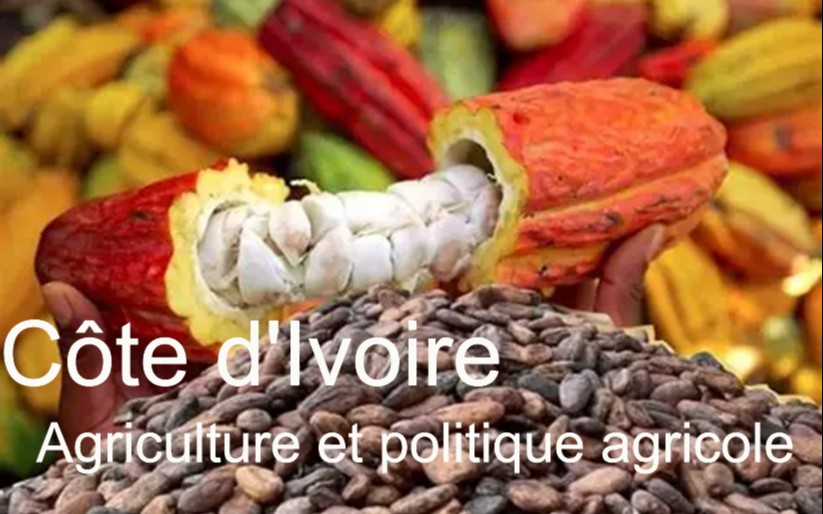
As one of the most vibrant economies in West Africa, Côte d’Ivoire has built its foundation on farming. While the sector accounted for nearly half of the national GDP at the time of independence, its share shifted to 15.9% by 2024. Despite this structural change, agriculture remains a cornerstone of the labor market, providing direct employment to 46% of the workforce. Furthermore, the nation’s trade balance surplus is heavily reliant on these commodities, with agricultural products making up 51.5% of total exports in 2025.
Socio-economic challenges in rural areas
Economic disparities remain a significant concern, particularly in the countryside. Poverty rates in rural Côte d’Ivoire reach 54.4%, a stark contrast to the national average of 37.5%. In these regions, livelihoods are almost entirely dependent on farming. Alarmingly, roughly 90% of Ivorian farmers fall within the lowest income decile. This financial strain is particularly evident in the cocoa industry, where 60% of producers live below the national poverty threshold.
Global leadership and food security hurdles
The country maintains its status as a global powerhouse for industrial crops, ranking as the world’s top producer of cocoa and cashew nuts, and the third-largest producer of natural rubber. However, this export success contrasts with a heavy reliance on imports for staples like cereals and fish, which are essential for the urban population’s diet. Local food production remains largely informal and lacks the structure needed to provide small-scale farmers with consistent market access.