Political observers in the Democratic Republic of Congo have noted a subtle yet significant shift in the country’s tense climate. The development comes as preparations for a long-anticipated national dialogue gather pace, raising questions about the potential easing of longstanding political divisions.
Signs of easing tensions in a long-divided landscape
Recent weeks have seen a marked reduction in political hostilities across the Democratic Republic of Congo. While skepticism remains high among civil society and opposition groups, government officials have signaled a willingness to engage in constructive dialogue. This shift could pave the way for broader reconciliation efforts ahead of the national dialogue.
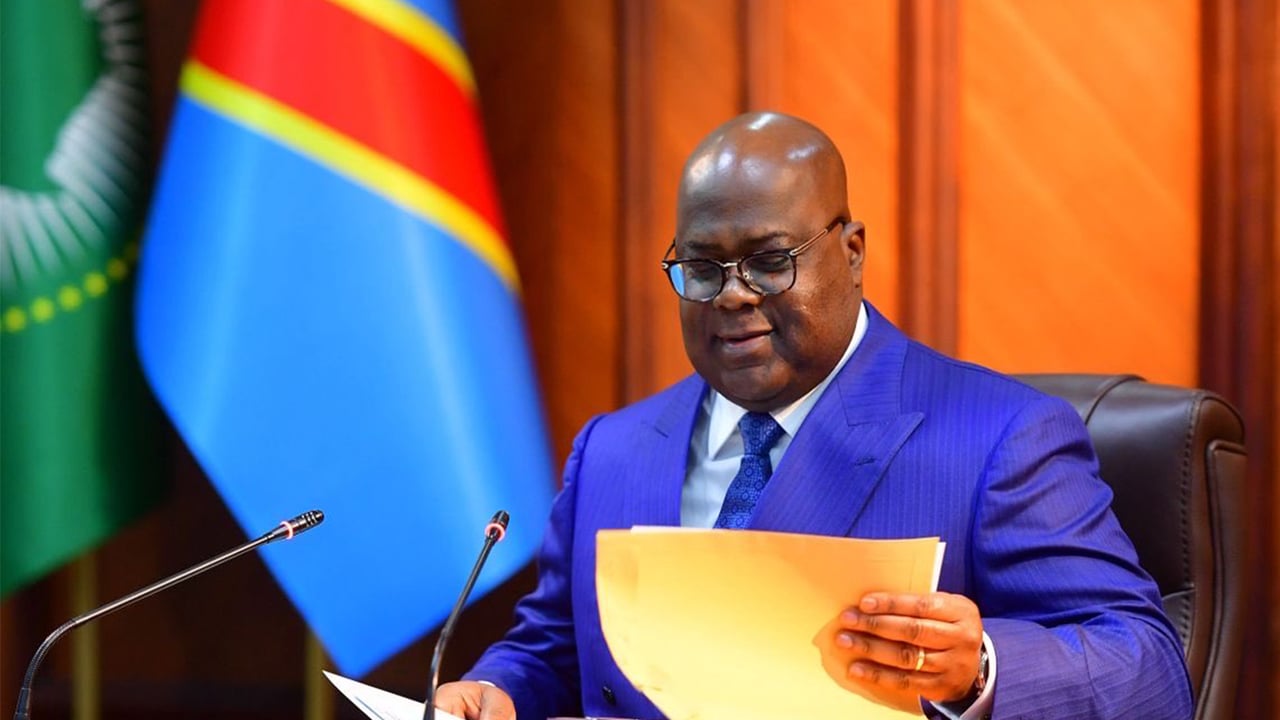
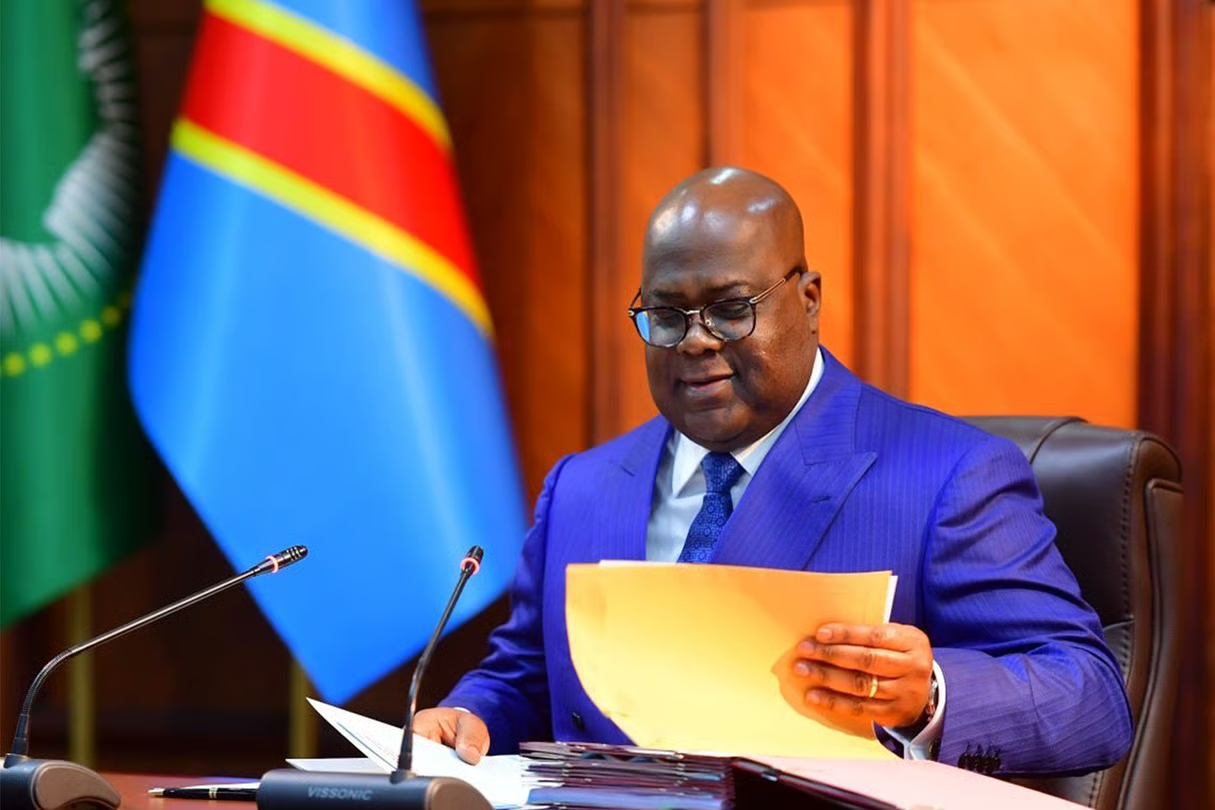
Analysts point to a series of conciliatory gestures from President Félix Tshisekedi’s administration as key drivers of this thaw. These include the release of several detained opposition figures and the invitation of previously excluded political parties to preliminary discussions.
What to expect from the upcoming national dialogue
The national dialogue, slated to take place in the coming months, aims to address pressing issues such as electoral reforms, security sector challenges, and governance transparency. While the exact agenda remains under discussion, there is growing optimism that the event could serve as a turning point for the country’s political future.
However, challenges persist. Key opposition leaders remain cautious, citing past unfulfilled promises and ongoing security threats in eastern regions. The success of the dialogue will hinge on the government’s ability to deliver tangible concessions and ensure inclusive participation.
Key players and their roles
- President Félix Tshisekedi: The head of state has positioned himself as a unifying figure, advocating for national cohesion amid deep political fractures.
- Opposition leaders: While some have expressed cautious optimism, others remain skeptical about the government’s commitment to meaningful reform.
- Civil society organizations: Activists and watchdog groups are closely monitoring the process, demanding transparency and accountability.
Potential outcomes and risks
The national dialogue could yield several possible outcomes. On the positive side, it may lead to a new social contract, reduced political tensions, and improved governance. Conversely, failure to address core grievances could deepen divisions and fuel further instability.
In this delicate moment, the Democratic Republic of Congo stands at a crossroads. The coming weeks will be critical in determining whether this political thaw translates into lasting peace and progress.