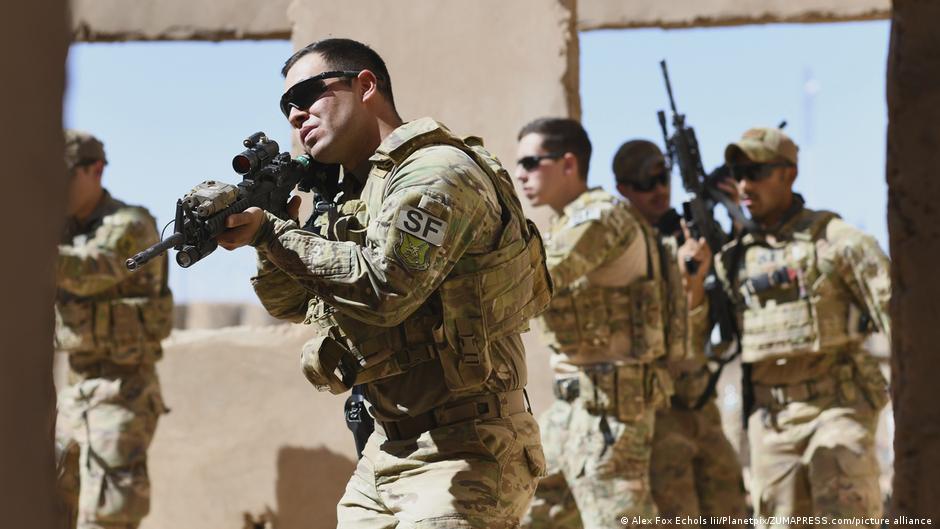
The United States continues to engage in security cooperation with military-led governments in three Sahel countries, despite persistent tensions over recent years. This enduring partnership was confirmed by General John Brennan, Deputy Commander of Africom, who highlighted ongoing collaboration while acknowledging significant shifts in regional dynamics.
“We are still collaborating. In fact, we’ve even shared intelligence with some of them to target key terrorist cells, though the landscape today differs dramatically from two or three years ago,” Brennan stated in his remarks.
“Our goal is to reassure them of our commitment to assist, yet competing actors persistently spread misinformation and false narratives about our objectives. We are actively working to counter these efforts,” he added.
balancing pragmatism and geopolitical challenges
Analysts suggest Washington’s pragmatic approach stems from pressing anti-terrorism priorities, even as it raises questions about the consistency of U.S. policy toward governments that emerged from coups. The focus remains on maintaining regional security amid evolving threats.
expanding u.s. interests beyond counterterrorism
According to Abdoulmoumouni Abbas, a Sahel-based researcher specializing in radicalization and violent extremism, American interests in the region extend well beyond counterterrorism efforts.
“The United States has substantial stakes in the Sahel, including combating drug trafficking, transnational crime, terrorism, and migration flows—all of which have intensified, particularly organized cross-border criminal networks,” he explained.
strengthening alliances against extremist threats
Over the past months, the U.S. military has increased the provision of equipment and intelligence-sharing with the Nigerian armed forces as part of a broader strategy to dismantle Islamic State-affiliated jihadist factions.
However, General Brennan clarified that Washington has no intention of replacing its military presence in Niger following the forced withdrawal of U.S. troops by local authorities—a move aimed at reassuring regional public opinion of America’s long-term strategic intentions.