Democrats seize control of US Congress after 2026 midterms
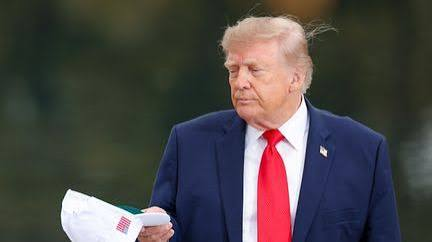
The 2026 US midterm elections delivered a seismic shift in political power, with projections confirming Democrats have retaken control of both the House of Representatives and the Senate. The outcome, finalized in early November, reverses Republican dominance and hands the opposition party a commanding majority beginning January 2027—just as former President Donald Trump enters the final stretch of his second term.
Republican losses pave way for Democratic control
The GOP’s two-chamber reign ended after voters delivered a clear message in races dominated by economic anxiety and dissatisfaction with government performance. Democrats flipped critical Senate seats in traditionally red states, including North Carolina, South Carolina, Ohio, Texas, Kansas, and Iowa—where Senator Susan Collins’ reelection bid fell short. Maine and New Hampshire also saw Democratic gains, while races in Alaska remained too close to call as vote counts continued.
At the House level, Democrats secured narrow victories in battleground districts across Florida, Pennsylvania, and other swing states. Even as final tallies trickled in, projections indicated a solid Democratic majority, reshaping the legislative landscape for the second half of Trump’s presidency.
Historic wins and firsts in key Senate races
Several contests stood out in a night of dramatic results. In Ohio, Democratic challenger Sherrod Brown defeated incumbent Republican Jon Husted—returning to the Senate after his 2024 loss. Michigan saw a breakthrough with Abdul El-Sayed’s Senate victory, making him the first Muslim-American senator in US history. These wins underscored the party’s ability to reclaim ground in areas once considered Republican strongholds.
Meanwhile, high-profile races in Florida and Pennsylvania highlighted voter frustration with rising costs and inflation, issues Democrats effectively weaponized against Republican incumbents.
Divided government looms as Democrats prepare to challenge Trump’s agenda
The new Congress presents a daunting challenge for Trump’s final two years in office. With Democrats holding both chambers, they will set the legislative agenda, launch oversight investigations, and have veto power over key bills—including those tied to foreign policy and domestic spending. Early statements from Democratic leaders signal an immediate focus on economic relief, anti-corruption measures, and checks on executive overreach.
Republicans, now in the minority, vowed to block progressive policies, framing the midterms as a referendum on Democratic extremism. The split between a Republican White House and a Democratic Congress sets the stage for a period of intense political gridlock, reminiscent of past divided governments.
What the election results mean for voters and policy
The 2026 midterms sent a sharp rebuke to the party in power, with voter turnout reflecting deep discontent over inflation, healthcare costs, and perceived government mismanagement. While final seat counts remained under review, the outcome was decisive enough to alter the balance of power in Washington—even before all ballots were counted.
Political analysts now predict a period of heightened partisan tension, with both sides preparing for a legislative standoff. Democrats will push their economic justice platform, while Republicans aim to protect their legislative achievements. The stage is set for a contentious final chapter in Trump’s presidency—and a reshaping of American politics ahead of the 2028 election.
