Diplomatic shifts signal new power dynamics in the Sahel
The Sahel is undergoing a rapid geopolitical reshuffle, with Niger emerging as a key player in this evolving chessboard. Recent diplomatic and military moves from Algiers to Paris and Benghazi underscore a deliberate repositioning of regional powers—one where Niamey’s strategic importance cannot be ignored.
Libya’s Eastern forces deepen ties with Niamey
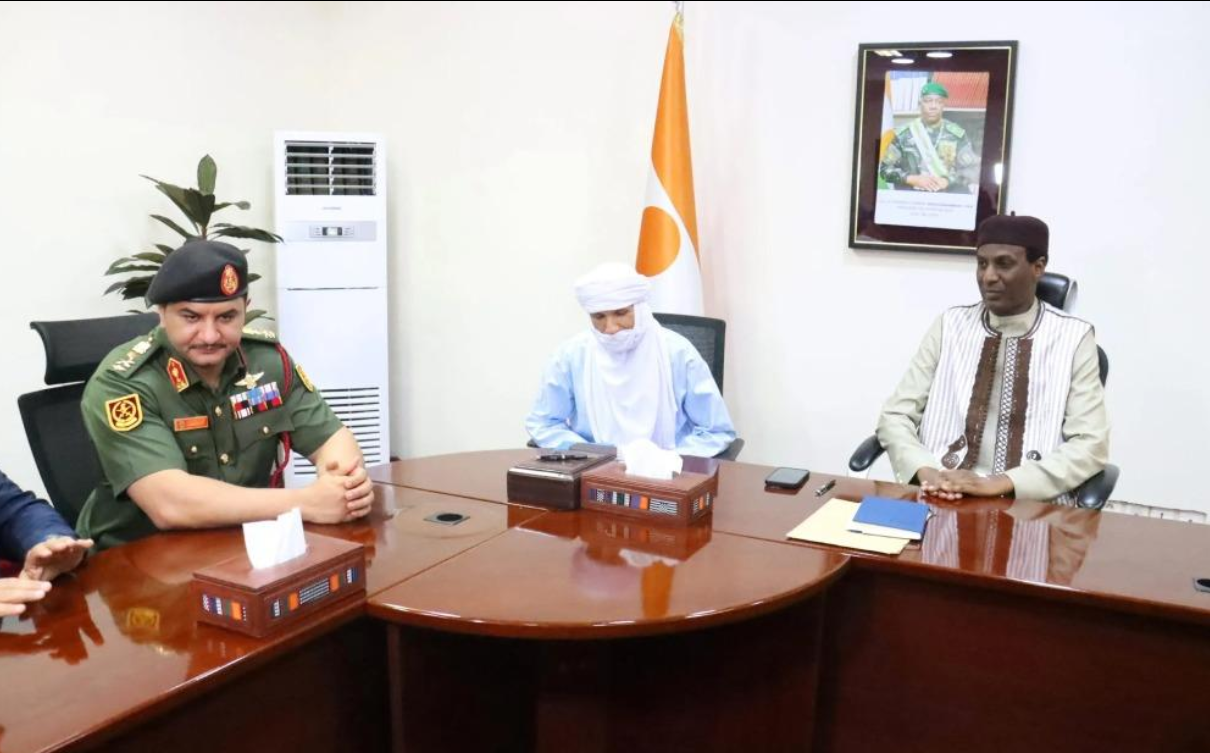
On November 1, 2026, Niger’s Prime Minister Ali Mahaman Lamine Zeine traveled to Benghazi for a high-level meeting with Libyan military commander Saddam Haftar. The visit culminated in the signing of a strategic cooperation agreement, signaling Niamey’s intent to diversify its security partnerships. Less than 48 hours later, Haftar’s forces engaged with French military leadership in Paris to discuss joint security initiatives, including training and intelligence-sharing.
The timing of these events is deliberate. Libyan Eastern forces are consolidating their influence southward into Niger, while France seeks to maintain a security footprint in the region despite its scaled-back presence. Observers note these interactions reflect broader shifts in Sahel power structures rather than isolated incidents.
Algeria steps up influence in Chad and beyond
As Libya and Niger strengthen ties, Algeria is recalibrating its regional strategy. On November 3, Algerian Foreign Minister Ahmed Attaf carried a presidential message to N’Djamena, where he met with Chadian President Mahamat Idriss Déby Itno. The discussions centered on bilateral cooperation, cross-border security threats, and the implementation of 27 previously signed agreements.
This outreach is critical for Algeria as relations between Niamey and N’Djamena strain amid unproven accusations of destabilization attempts. Algeria’s goal is twofold: maintain influence in Sahel security dynamics and counterbalance perceived threats from external actors—particularly where Libya and the UAE are expanding influence.
UAE’s Libyan alliances raise Algerian concerns
The United Arab Emirates maintains strong political and military ties with Libya’s Eastern faction, led by Khalifa Haftar. While Abu Dhabi’s current engagement differs from past involvement, Algeria views this proximity with caution. The Libyan-Egyptian border and southern corridors into Niger are vital for trade, migration, and energy flows—areas where Algeria seeks to assert control.
Recent Haftar-backed advances into Libya’s Fezzan region, bordering Niger, further intensify Algeria’s focus. The prospect of an expanded foreign military presence near its southern frontier poses a strategic risk, prompting Algiers to accelerate its own engagement in Niamey.
Morocco-Algeria rivalry spills into the Sahel
The longstanding tension between Algeria and Morocco has spilled beyond the Maghreb into Sahelian affairs. Since diplomatic ties ruptured in 2021, Rabat and Algiers have pursued diverging foreign policies—including in the Sahel. Morocco’s deepening ties with Sahel states, coupled with Haftar’s October 2026 visit to Rabat, raise questions about emerging regional blocs.
While not a formalized alliance, these converging interests—particularly between Morocco, the UAE, and Libya’s East—heighten Algeria’s strategic concerns. The question now is whether these relationships will solidify into a coordinated counterbalance to Algerian influence.
Niger: the pivot of a new Sahelian order
Niger’s geographic location, energy resources, and proximity to Libya, Algeria, Chad, and Mali position it as the Sahel’s new center of gravity. On October 25, Algeria’s Parliament approved a military deployment agreement with Niamey—further evidence of Algiers’ bid to secure its southern flank.
Niger’s leadership, mindful of overreliance on any single partner, is actively cultivating multiple alliances. This balancing act reflects a broader trend: the Sahel is no longer just a battleground against armed groups—it has become a contested space for control over trade routes, energy corridors, and political influence.
With Paris recalibrating its regional presence and regional powers jockeying for position, the Niger of 2026 is not just a country under threat—it is a linchpin in the continent’s shifting geopolitical landscape.