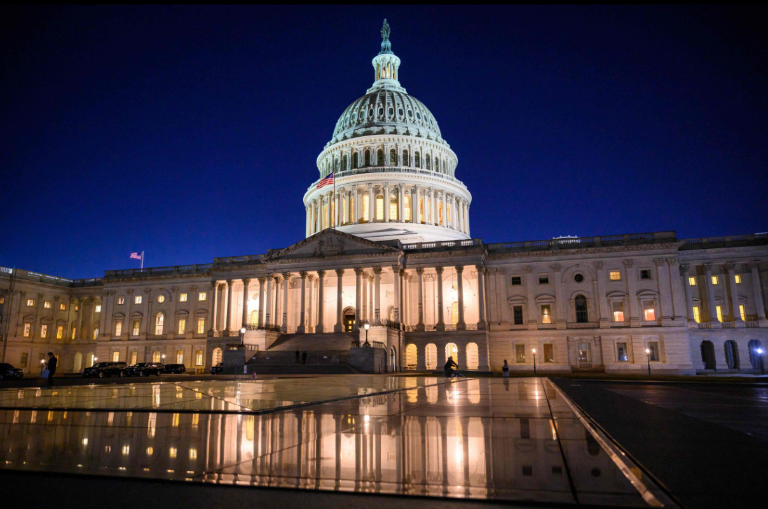
Congress flips: Democrats seize control after historic midterm elections
The American electorate has delivered a stinging rebuke to Donald Trump in the 2026 midterm elections, handing the Democratic Party decisive victories in both the House and Senate. The outcome marks one of the most significant political reversals in Trump’s career, threatening to upend his foreign policy agenda just two years before the presidential election.
With the new Congress set to convene in January 2026, Trump faces an opposition ready to wield legislative tools to curb executive power. Budget oversight, diplomatic nominations and military funding now stand at the heart of a looming institutional clash that could reshape America’s global posture.
Diplomatic gridlock: How Congress could constrain Trump’s foreign policy
The shift in congressional balance strips away the unchecked authority Trump enjoyed during his presidency. No longer can he count on automatic alignment for defense budgets, trade agreements or military interventions.
Key institutional tools now in Democratic hands:
- Power to block or delay presidential appointments, including diplomats and defense officials
- Control over defense spending and foreign aid allocations
- Authority to launch congressional investigations into executive actions
- Ability to override presidential vetoes with supermajorities
Yet the constitutional separation of powers preserves Trump’s core authorities: commander-in-chief status and sole executive power over international negotiations. The result is a delicate tension—legislative pressure growing while executive autonomy remains intact.
Iran conflict: Congress seeks oversight over Trump’s military strategy
The undeclared war in Iran, initiated in February 2026 without congressional consultation, has become a lightning rod for opposition. Democrats are poised to challenge the administration’s spending on military operations, demand transparency reports and seek legal pathways to constrain escalations.
While Congress lacks constitutional authority to unilaterally terminate military engagements, it can curtail funding streams and impose reporting requirements that may force Trump to either alter tactics or seek alternative funding sources.
The potential for legislative interference introduces uncertainty into U.S. military planning and could embolden adversaries watching for signs of American strategic incoherence.
Ukraine and Europe: Can Democrats restore transatlantic stability?
The midterm results resound across the Atlantic as European capitals digest a possible shift toward more predictable U.S. engagement in Ukraine. While Trump has strained NATO relations through skeptical rhetoric and inconsistent commitments, Democratic leaders have signaled renewed support for European defense and Ukrainian sovereignty.
However, the president retains ultimate decision-making power over troop deployments, arms sales and negotiating positions. Europe may regain reliable partners in Congress, but cannot assume automatic alignment with executive decisions as long as Trump remains in office.
Trade wars: Congressional oversight targets Trump’s tariff regime
Trump’s aggressive tariff policies have drawn global condemnation and sparked trade wars that threaten domestic economic stability. Democrats now aim to rein in executive trade powers through legislative scrutiny, budget controls and potential legal challenges.
The struggle over trade policy highlights a broader challenge: even with Congress in opposition hands, constitutional limitations prevent lawmakers from directly overruling tariff decisions. The result is a prolonged battle over the extent of congressional authority versus presidential prerogative in economic diplomacy.
2028 Looms: America’s global standing at stake amid internal divisions
These midterms signal more than a partisan shift—they reveal a country deeply divided over its international role. The United States retains overwhelming military, economic and diplomatic influence, yet its ability to project consistent global leadership is now clouded by legislative gridlock.
As Trump navigates this new political reality, the central question becomes whether American power can endure without coherent direction. Allies may find more receptive voices in Congress, but adversaries could exploit perceived American weakness during a period of profound internal discord.
The 2028 presidential election is now approaching, and the midterm verdict may well be remembered not just as a political earthquake, but as the moment when America’s global leadership began to fracture from within.