The government cracks down on corruption in Guinea’s gold sector
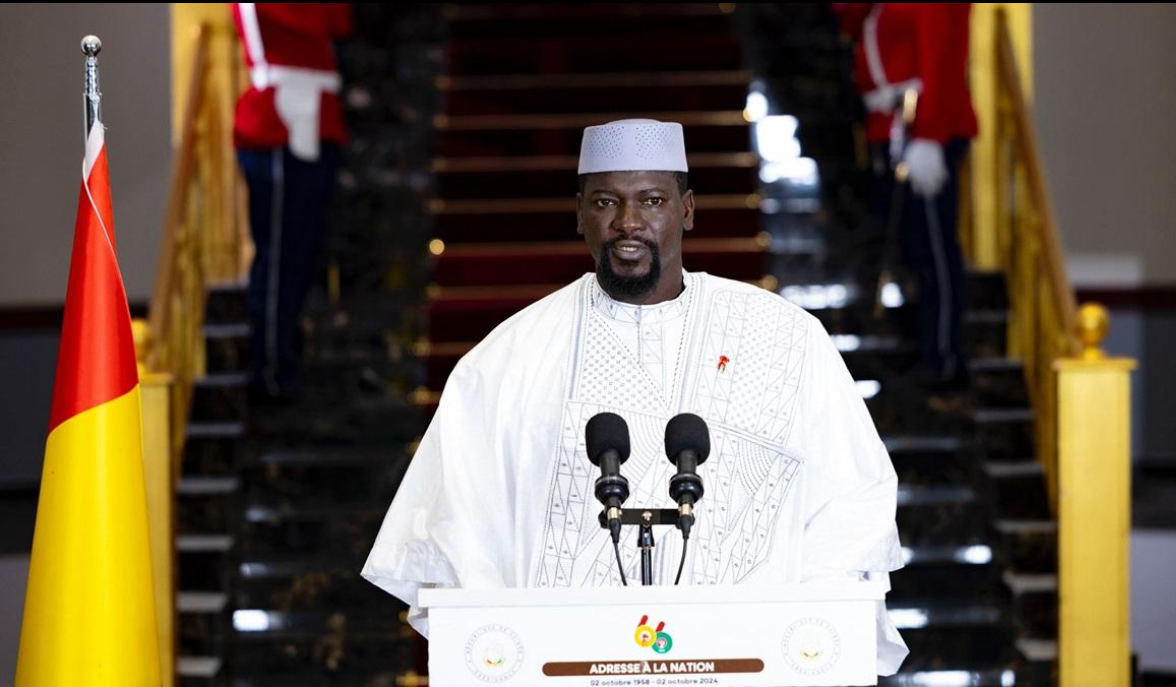
In a sweeping move to enforce environmental and mining laws, Guinea’s president Mamadi Doumbouya has signed a presidential decree removing 22 public officials from their roles in the civil service and security forces. The dismissals, announced on national television on 3 November 2026, send a clear message: state representatives must either uphold the law or face removal.
Siguiri, the epicenter of illegal gold mining, faces sweeping sanctions
The majority of those removed are stationed in Siguiri, a key gold-producing region in northern Guinea where small-scale mining has long challenged official oversight. Among those dismissed are local administrators and security officers accused of facilitating illegal gold panning and failing to protect natural resources.
The list includes:
- Colonel Fayimba Mara, former Prefect of Siguiri (a military officer now dismissed from the civil service)
- Captain Mohamed Lamine Keita, acting Prefect of Kintinian
- Captain Sory Camara, acting Prefect of Siguirini
- Commander Fodé Isaac Camara, Sub-Prefect of Niagassola
- Lieutenant-Colonel Pépé Doualamou, Sub-Prefect of Bankon
- Naman Kourouma, Sub-Prefect of Kiniébakoura
- Abou Kanté, Sub-Prefect of Norassoba
- Richard Yaradouno, Sub-Prefect of Naboun
Charges of environmental and regulatory violations
These officials are not only accused of complicity in illegal mining activities but also of environmental damage. Officials report that clandestine gold extraction has led to deforestation, soil erosion, and the poisoning of water sources—impacting farmland, drinking water, and fish populations across the region.
Inter-ministerial task force to enforce the decree
Responsibility for implementing the removal order spans seven ministries, including Territorial Administration, National Defense, Justice, and Civil Service Modernization. This wide-ranging coordination signals a serious, state-wide effort to restore regulatory control over Guinea’s gold industry.
Legal consequences remain separate
While these sanctions are administrative, the allegations may lead to further judicial proceedings. The government has emphasized that criminal liability for environmental harm and corruption will be pursued through independent legal channels.
Nimba Gold Refinery opens as part of industrial push
The crackdown coincides with the inauguration of Guinea’s first gold refinery, the Nimba Gold Refinery (NGR), in Conakry on 1 November 2026. This facility is designed to process domestically mined gold, reducing reliance on raw export and increasing value for the national economy.
Industrial strategy to curb export dependency
By processing gold locally, Guinea aims to capture more revenue and meet its ‘Simandou 2040’ industrialization goals. The refinery supports job creation and economic diversification, aligning with broader national strategies to transform natural resources into wealth.
Can enforcement keep pace with ambition?
The dual tracks—administrative dismissal and industrial development—highlight a defining moment for Guinea’s mining sector. Authorities are now under scrutiny to prove they can enforce mining laws rigorously, combat illegal networks, and protect communities from environmental harm—without stifling the economic opportunities that local gold mining provides.