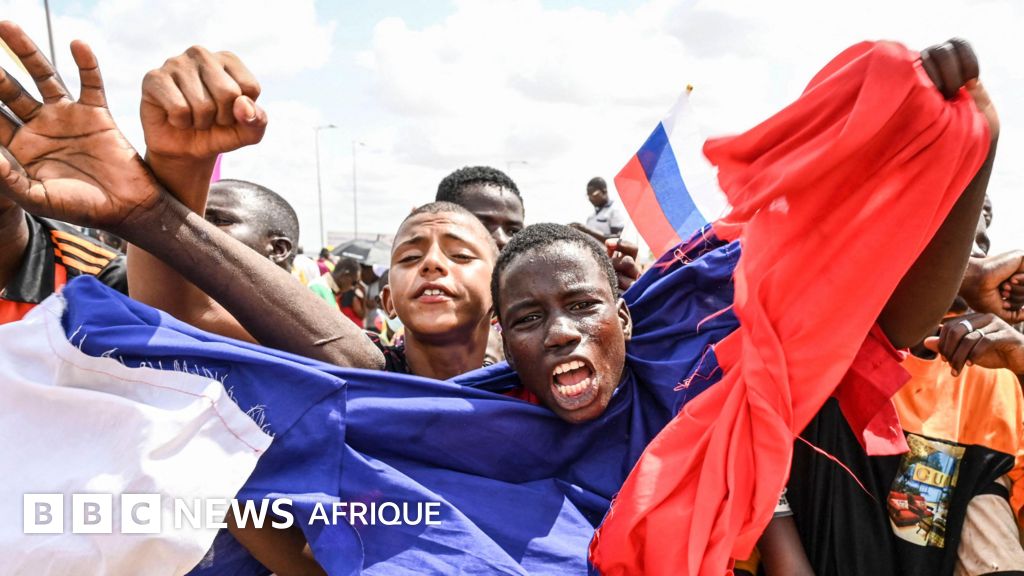
Washington has unveiled a bold new strategy toward three West African nations where military-led governments severed ties with France and forged closer bonds with Moscow. The move signals a significant pivot in U.S. policy, prioritizing security cooperation over democratic governance concerns.
Washington’s diplomatic overture to Bamako and beyond
U.S. officials confirmed that Nick Checker, head of the State Department’s Africa Bureau, will travel to Bamako to affirm Washington’s commitment to Mali’s sovereignty. The visit underscores a strategic shift, moving past past political missteps to forge a new partnership with Mali, Burkina Faso, and Niger—countries now embracing Russia’s Wagner Group for military support.
Unlike previous administrations, the current U.S. leadership appears unconcerned with the junta’s abandonment of democratic norms. There was no mention of human rights or democratic transitions in the official agenda, reflecting a clear departure from earlier policies.
From democracy to counterterrorism: a radical U-turn
Under President Biden, U.S. engagement in the Sahel focused on governance, environmental issues, and social development alongside military cooperation. However, with the return of Donald Trump to the White House, the priorities have shifted dramatically. Terrorism now dominates the agenda, with Washington placing the fight against Islamist insurgents at the forefront of its strategy.
General Michael Langley, former head of Africom, had previously emphasized the importance of good governance. But in a recent statement, he made clear that counterterrorism is now the top priority for U.S. forces in Africa.
The Sahel’s growing terror threat
The region has become a global hotspot for extremist violence, accounting for nearly half of all terrorism-related deaths worldwide. The so-called