
Nestled in eastern Chad, the city of Abéché stands as a vibrant testament to the enduring ties between Chad and its eastern neighbor, Sudan. Often described as the most Sudanese of Chadian cities, Abéché pulsates with a unique energy, shaped by centuries of cross-border trade, cultural exchange, and, more recently, a significant influx of Sudanese individuals seeking refuge from conflict.
A cultural crossroads in eastern Chad
Abéché’s identity is inextricably linked to Sudan. Its proximity to the border has fostered a profound blending of traditions, languages, and customs. Walking through its bustling markets, one encounters a rich tapestry of life where Chadian and Sudanese influences seamlessly merge. The aroma of Sudanese coffee, the distinct patterns of textiles, and the melodic cadence of Arabic dialects create an atmosphere that feels both distinctly Chadian and intimately Sudanese. This cultural fusion defines the very essence of Abéché, making it a unique urban center in the Sahel region.
Abéché: a haven for sudanese refugees
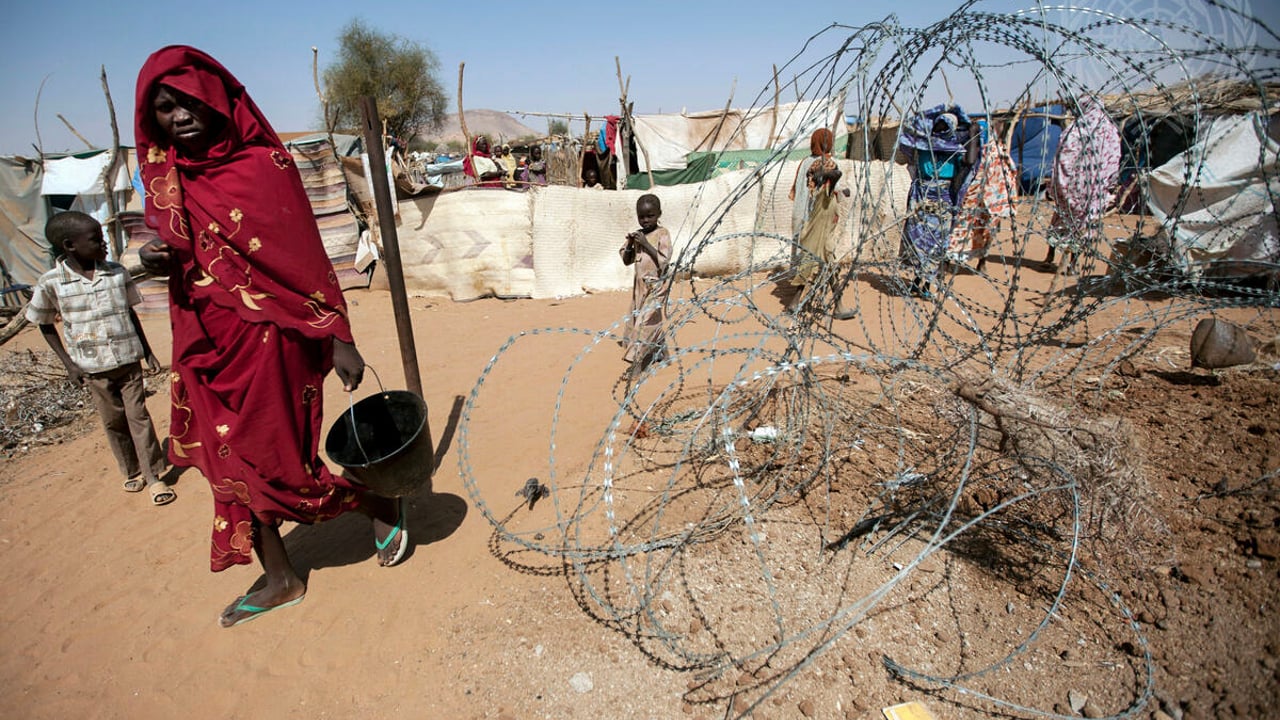
The city’s role as a sanctuary has become particularly pronounced amidst the ongoing turmoil in Sudan. As conflict has escalated, displacing millions, Abéché has opened its doors, becoming a vital humanitarian corridor and a primary destination for those fleeing violence. Thousands of Sudanese refugees, like the woman pictured fetching water, have found temporary safety and a measure of solace within Abéché’s embrace. The presence of these displaced communities has further deepened the city’s Sudanese character, transforming its demographics and daily rhythms. International organizations, including the HCR (United Nations High Commissioner for Refugees), work tirelessly to provide essential aid and support to these vulnerable populations, highlighting the immense humanitarian challenges faced by the region.
Impact of regional dynamics
The humanitarian situation in Abéché is a direct consequence of the broader geopolitical landscape, particularly the power struggles and conflicts that have gripped Sudan. Figures such as Hemetti and Abdel Fattah al-Burhane, central to the Sudanese crisis, underscore the profound impact that events across the border have on Chadian stability and its communities, especially in eastern areas like Abéché. While Chad, under leaders like Mahamat Idriss Déby Itno, strives to maintain regional stability, the flow of refugees and the shared cultural heritage ensure that Abéché remains at the forefront of this complex interplay between neighboring nations.
A city of resilience and shared destiny
Abéché continues to navigate its dual identity, serving as both a Chadian administrative hub and a de facto extension of Sudanese life. It is a city that embodies resilience, where communities adapt to challenges while preserving a rich cultural heritage. The stories of its residents, both long-standing and newly arrived, paint a vivid picture of a city deeply connected to the fate of its Sudanese neighbors, a living bridge between two nations.