The 39th African Union summit concluded with a bold declaration to silence the guns and put an end to unconstitutional power shifts. But can this pledge hold weight when those responsible for coups are later granted democratic legitimacy?
a controversial stance on democratic transitions
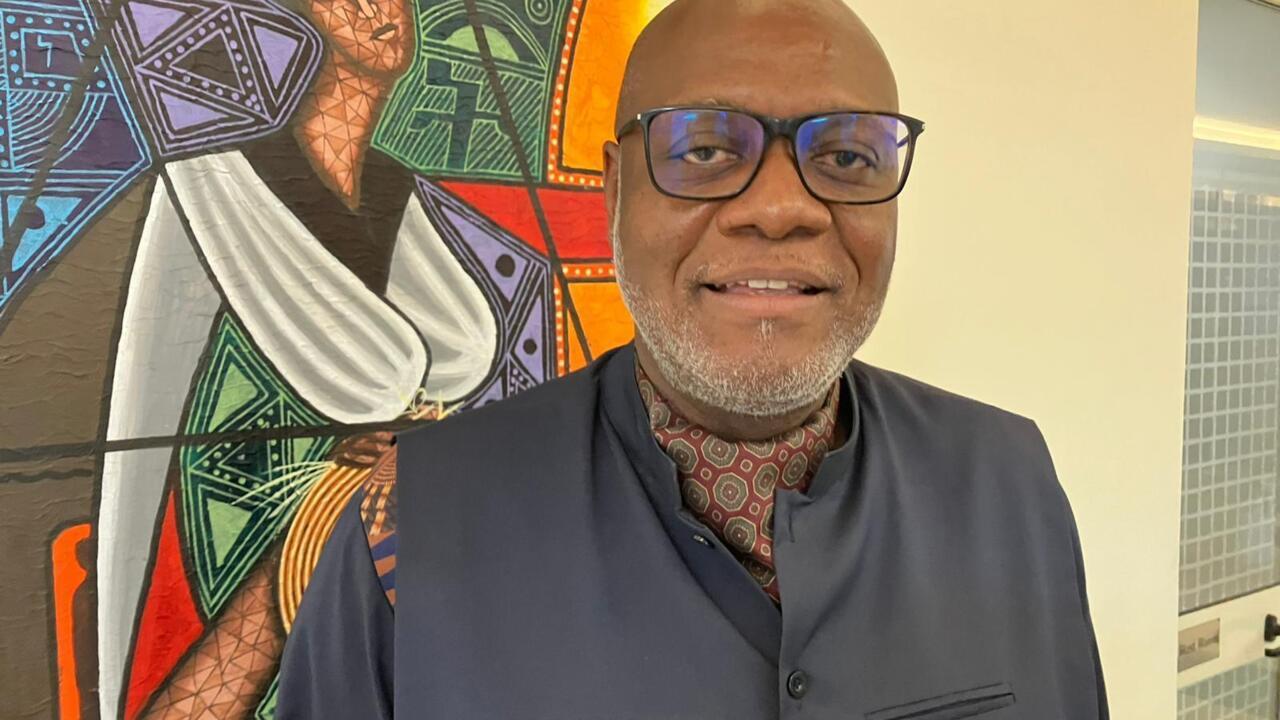
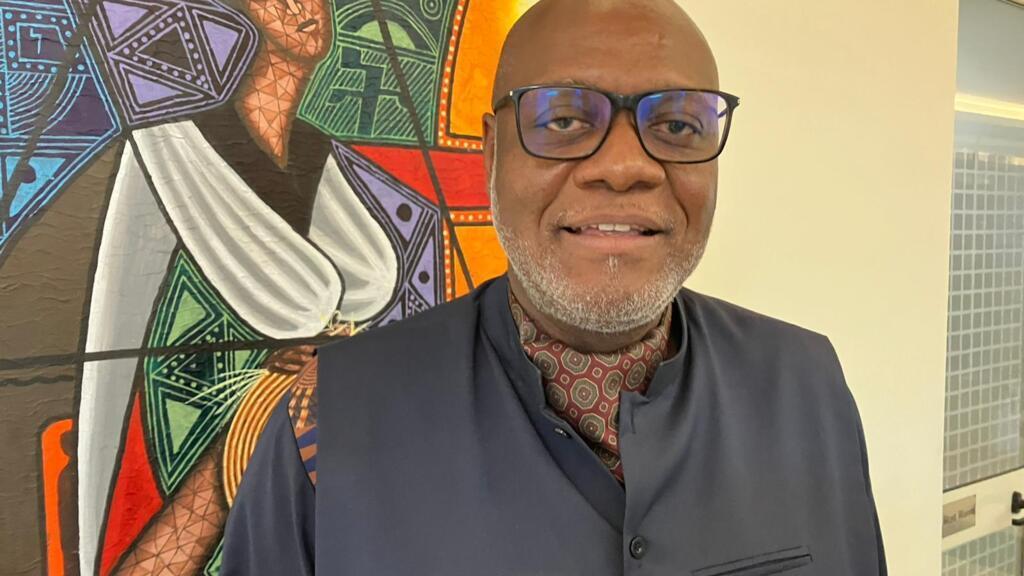
During a high-level discussion at the African Union summit in Addis Ababa, Paul-Simon Handy, a Cameroonian researcher and regional director of the Institute for Security Studies (ISS) for East Africa, delivered a stark warning about the continent’s democratic backsliding. His message was clear: allowing coup leaders to later seek or regain power through elections undermines the very principles of democratic governance.
Handy, who was present at the summit, argued that the AU’s recent declarations against unconstitutional power changes must be backed by concrete action. “It is unacceptable for those who orchestrate coups to later be legitimized through democratic processes,” he emphasized. His remarks come at a time when several African nations are grappling with political instability and governance crises.
the african union’s tough talk on unconstitutional power shifts
The 39th AU summit wrapped up with a renewed commitment to silencing the guns and rejecting any form of unconstitutional regime change. Yet, the effectiveness of this stance remains in question. While the AU has historically condemned coups, the growing trend of coup leaders transitioning into elected leaders presents a complex challenge.
Handy highlighted the need for the AU to enforce stricter measures to prevent such scenarios. “The union must ensure that its declarations are not just symbolic but translate into tangible policies that hold leaders accountable,” he stated. He pointed out that without robust enforcement, the AU’s anti-coup rhetoric risks becoming hollow.
regional security and the role of governance
The discussion also touched on the broader implications of political instability in Africa. Handy noted that unconstitutional power changes often exacerbate regional security threats, including insurgencies and cross-border conflicts. He stressed that sustainable peace and security on the continent depend on upholding democratic norms and rejecting leaders who come to power through force.
Key takeaways from Handy’s analysis:
- Accountability: The AU must hold leaders accountable for unconstitutional actions, even if they later seek democratic legitimacy.
- Enforcement: Declarations alone are insufficient; the AU needs to implement mechanisms to prevent coup leaders from returning to power through elections.
- Regional stability: Political instability fueled by coups undermines efforts to combat terrorism and other security challenges in Africa.
the path forward for africa’s democratic future
As the AU continues to refine its strategies for promoting peace and stability, Handy’s insights underscore the urgency of addressing the root causes of unconstitutional power changes. His call for action resonates with growing concerns about the erosion of democratic norms across the continent.
The debate over whether coup leaders should be allowed to participate in elections remains contentious. However, Handy’s position aligns with the broader sentiment among African citizens and policymakers who view such transitions as a betrayal of democratic principles.
For the AU’s vision of a silenced guns Africa to become a reality, it must confront this paradox head-on. The question now is whether the union’s leaders are willing to take the necessary steps to ensure that democracy, not force, dictates the continent’s political future.