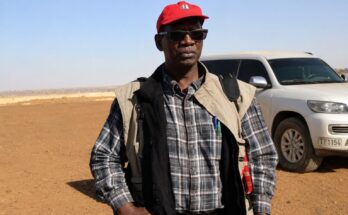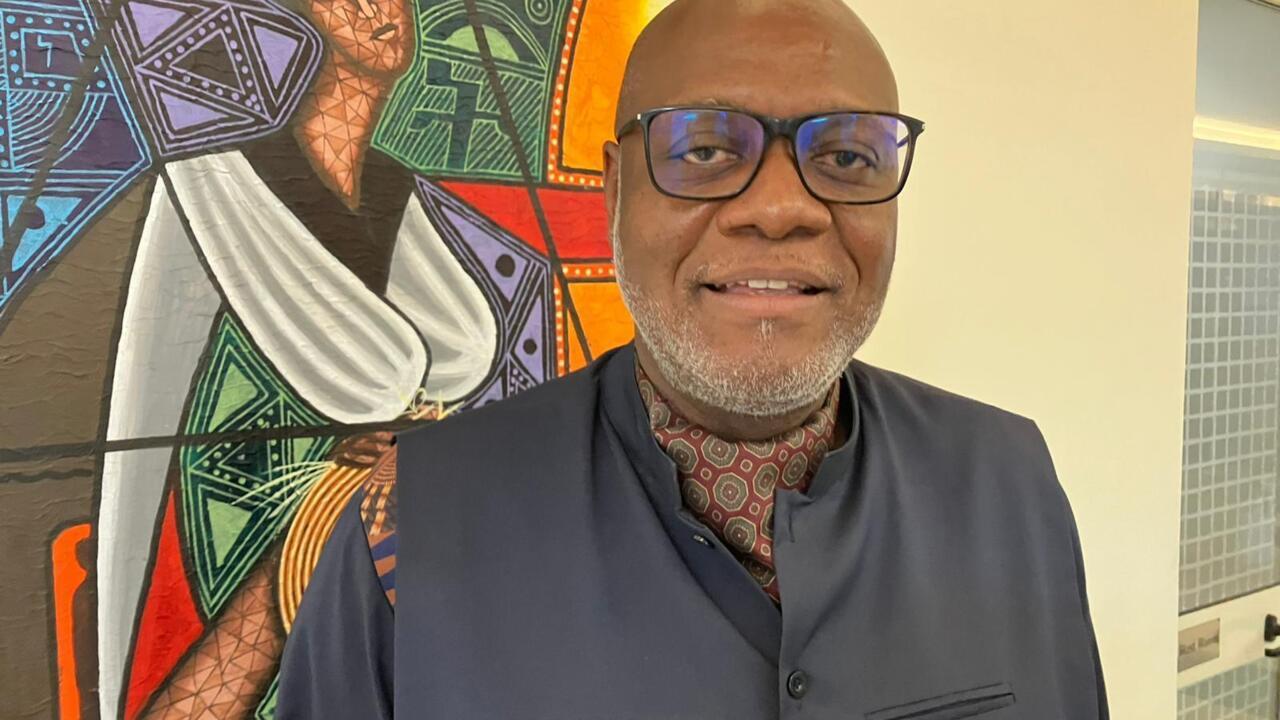
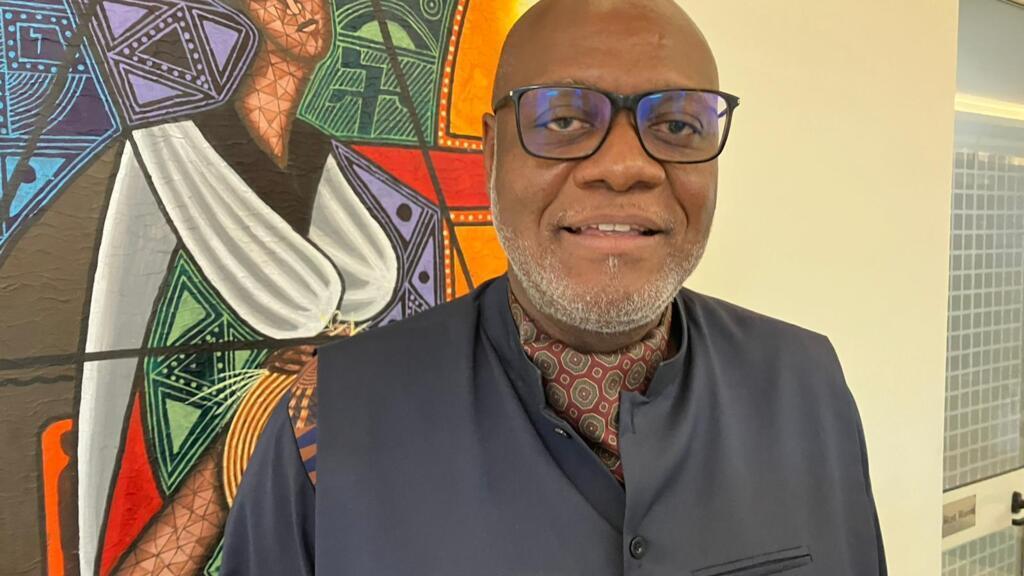
The 39th African Union summit concluded with a bold declaration: silencing weapons and putting an end to unconstitutional power changes. But is this commitment realistic? Paul-Simon Handy, a Cameroonian researcher and Regional Director of the Institute for Security Studies (ISS) for East Africa, shared his insights from Addis Ababa during a special Africa Midi broadcast.
a controversial stance on elections for coup leaders
During the discussion, Handy strongly criticized the idea of allowing individuals responsible for coups to run in democratic elections. He emphasized that such a practice undermines the very principles of democracy and stability across the continent. His remarks come at a time when several African nations are grappling with political instability and governance crises.
key takeaways from the african union summit
- Declaration of intent: The AU’s latest summit in Addis Ababa issued a strong call to end unconstitutional power transfers and reduce armed conflicts.
- Challenges ahead: Despite the declaration, skepticism remains about whether African nations will adhere to these commitments.
- Academic perspective: Experts like Handy argue that elections should not reward those who seize power illegally, as this sets a dangerous precedent.
why democratic elections must exclude coup leaders
Handy pointed out that legitimizing coup leaders through elections sends a troubling message. Democracy thrives on accountability and rule of law, and allowing such figures to participate in elections could normalize political violence and instability.
He also stressed the need for stronger regional mechanisms to prevent unconstitutional changes of power and ensure that democratic processes remain protected. The debate continues: can Africa truly move forward while some of its leaders gained power through force?