Algeria and Mali revive diplomatic ties amid regional security concerns
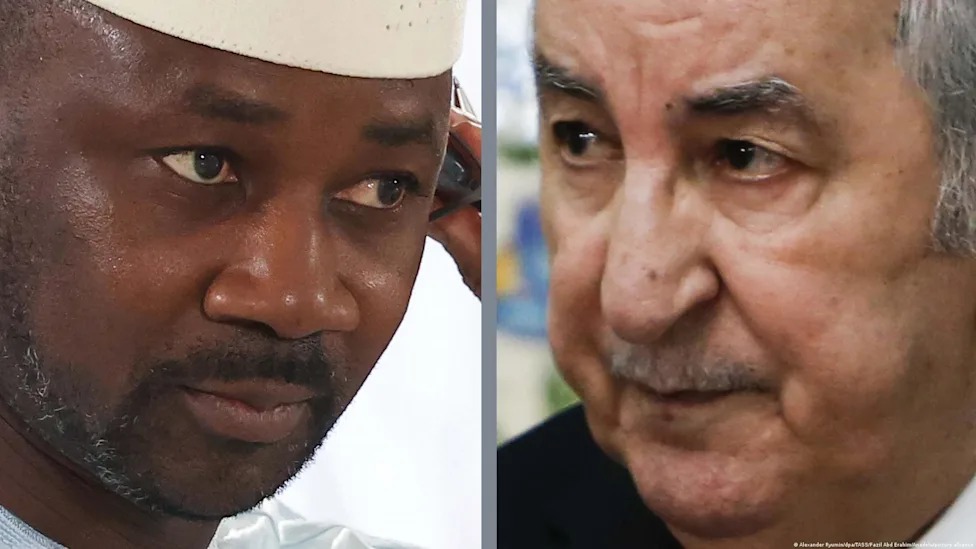
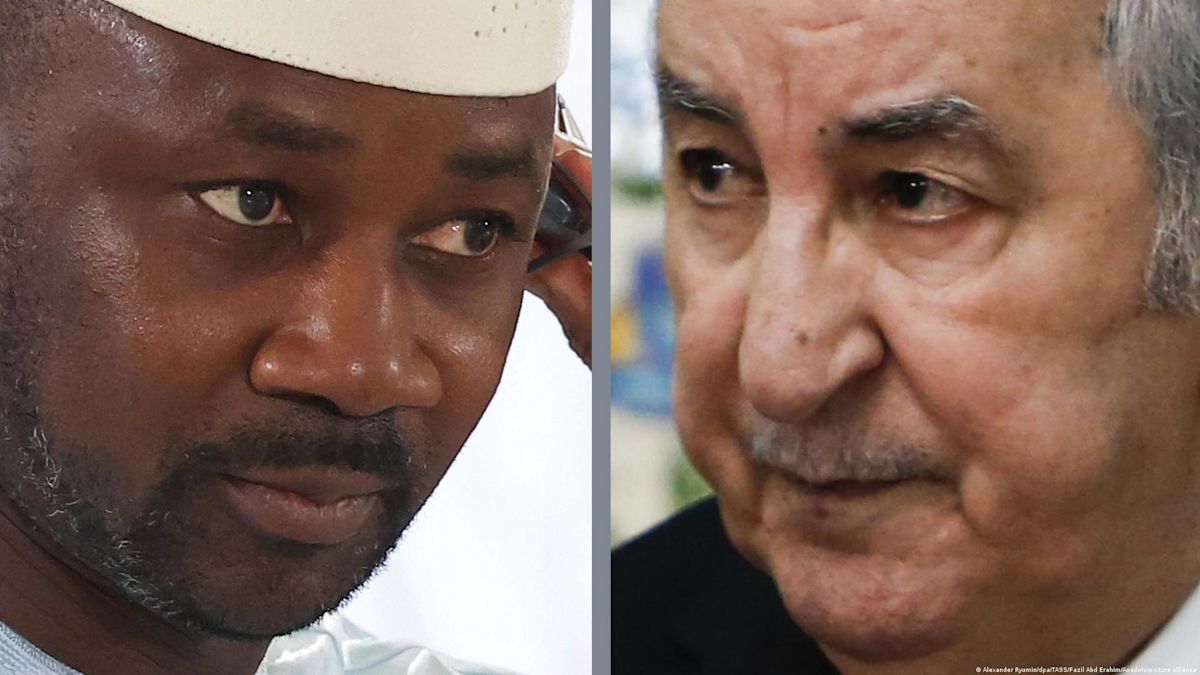
Tensions between Algeria and Mali escalated in April 2025 after Algerian forces shot down a Malian drone, accusing Bamako of violating its airspace. The Malian government vehemently denied the allegations, leading to a diplomatic standoff. As a result, Mali closed its airspace to Algeria, a move that affected both nations given their shared border spanning over 1,300 kilometers.
By July 10, 2025, a thaw in relations became evident as both countries announced concrete steps to restore diplomatic ties. Ambassadors were set to return to their respective posts, and airspace restrictions were lifted on both sides. The Algerian Prime Minister, Sifi Ghrieb, extended an invitation to his Malian counterpart for an official visit during a telephone conversation.
These developments come at a critical time for the Sahel region, where security challenges continue to intensify. Analysts suggest that Algeria’s renewed engagement with Mali could play a pivotal role in stabilizing the area, despite Algeria’s geographical distance from the Gulf of Guinea.
Security and diplomacy: a strategic necessity
The sociologist Mohamed Amara highlighted two key perspectives on this diplomatic thaw. First, he emphasized the potential for improved regional stability, particularly in the Sahel, where armed groups continue to pose significant threats to Mali, Niger, and Burkina Faso.
For Algeria, re-engaging with Mali serves multiple strategic interests. By leveraging its partnership with Russia—an important ally for both nations—Algeria aims to regain influence in regional security dynamics. The move also reinforces Algeria’s leadership ambitions in the Sahel, a role that has faced challenges in recent years.
As Mohamed Amara noted, “This rapprochement is not just about peace; it is about securing Algeria’s strategic position in a region where geopolitical balances are increasingly contested.”
What does Mali stand to gain?
Mali’s motivations for restoring ties are equally compelling. The country faces immense pressure from terrorist groups and rebel factions, including the National Liberation Front of Azawad (FLNA), which has intensified its activities in recent months. Reopening dialogue with Algeria could help stabilize Mali’s northern regions and secure its borders, preventing them from becoming conduits for insurgent movements.
Additionally, Mali seeks to re-establish a platform for negotiation, particularly with groups like the FLNA, to transition toward political stability. While the immediate benefits for Mali may be more localized, the long-term implications for regional security could be transformative.
Geopolitical shifts in the Sahel
Since 2020, the geopolitical landscape of the Sahel has remained largely unchanged. However, this diplomatic thaw introduces a new dynamic: the reintegration of Algeria into the regional security framework. With Russia maintaining its strong partnerships in both Algiers and Bamako, the potential for a coordinated approach to counterterrorism and conflict resolution grows.
Experts argue that this shift could redefine power structures in the Sahel, particularly if Algeria and Russia collaborate more closely on security initiatives. The timing of this rapprochement aligns with growing concerns over the expansion of extremist groups, making it a critical moment for regional actors to reassess their strategies.
Related Posts