On November 7, 2026, a convoy of 25 high-capacity trucks departed from Adrar, Algeria, bound for Niger with a cargo of 1,050 metric tons of goods. The shipment included dates, detergents, packaging materials, and salt—part of a broader Algerian push to expand trade across the Sahel. But beneath this commercial surge lies a pressing concern for Niger’s producers: can local industries withstand the influx of lower-priced imports?
New Algerian trade caravan arrives in Niger as local industries brace for impact
The operation, organized during Algeria’s National Export Day and involving nine economic operators, marks another step in Algiers’ strategy to boost non-oil exports and tap into African markets. With the Sahel’s geographic proximity acting as a natural advantage, Algeria is prioritizing countries like Niger, a landlocked nation heavily reliant on cross-border trade for essential supplies.
For Niger, the arrival of these goods represents a double-edged sword. On one hand, imported products like dates and detergents could alleviate supply shortages and offer consumers more affordable options. On the other, the surge in competitively priced Algerian goods risks overwhelming local producers already struggling with structural challenges.
Dates from Kawar face stiff competition
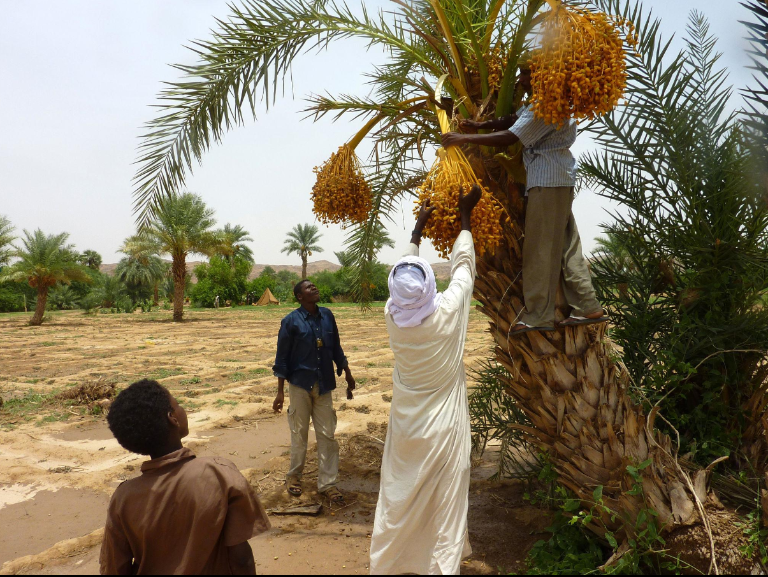
Niger’s date industry, centered in the Kawar region around Bilma, Fachi, Dirkou, and Djado, boasts a rich variety of cultivars and generations of traditional expertise. Yet local producers face persistent hurdles: low yields, water scarcity, high transport costs, and inadequate preservation infrastructure.
In April 2024, reports highlighted how Algerian and Libyan dates were already undercutting local production in Nigerian markets. The new shipment of Algerian dates risks amplifying this pressure, potentially pushing consumers toward imported options that are cheaper, more readily available, and often better packaged.
For Kawar’s date farmers, the challenge isn’t just competition—it’s access. Without fair distribution channels, improved value chains, or financial support, local producers may struggle to compete on price and visibility, regardless of quality.
Detergents and packaging: small industries under threat
Beyond agriculture, Algerian detergents and packaging materials are entering Niger’s market at rates that local manufacturers may find difficult to match. Nigerian small and medium industries already grapple with high raw material costs, unreliable supply chains, expensive logistics, and an uneven business environment. Some have been forced to shut down in recent years.
If imported goods continue to undercut local prices, the consequences could ripple across the industrial sector—affecting jobs, investment, and the broader economy. The flood of new imports may bring short-term benefits to distributors and buyers, but for homegrown industries, survival is far from guaranteed.
Niger strengthens import controls amid trade surge
In response to these pressures, Niger’s Ministry of Commerce and Industry launched a compliance verification and inspection program on August 1, 2026. The initiative aims to protect consumers from unsafe or substandard products while ensuring fair competition for businesses that adhere to regulations.
Yet inspections alone won’t solve the competitiveness gap. Local producers need more: financial backing, modern processing equipment, better infrastructure, streamlined supply chains, and market access support. Without these, the trade imbalance risks deepening, leaving Nigerian industries marginalized in their own market.
Partnership or dependency? The future of Niger-Algeria trade
The commercial momentum between Algeria and Niger extends beyond simple market exchanges. It could evolve into deeper economic collaboration—joint ventures, technology transfer, and local processing—to ensure both nations benefit equitably.
If the relationship remains one-sided, with Niger serving primarily as a consumer market for Algerian goods, its own productive capacity may stagnate. The economic relationship must evolve from a transactional flow into a partnership that fosters industrial growth, job creation, and sustainable development.
The 25 trucks from Adrar aren’t just carrying goods—they carry a question: as Algeria expands its trade reach, can Niger safeguard its industries from being overshadowed, or will it become a passive recipient of imports without building its own production base?
Can local industries pivot in time?
The answer depends on swift, strategic action. Local companies must innovate, improve efficiency, and secure investment to close the competitiveness gap. Policymakers, meanwhile, need to reinforce protection measures and create an enabling environment for industrial growth.
Niger’s ability to navigate this trade surge will determine whether its industries thrive or survive as a secondary player in its own economy. The stakes aren’t just about protecting businesses—they’re about securing the nation’s economic future.