Algeria’s bold move reshapes Sahel power dynamics
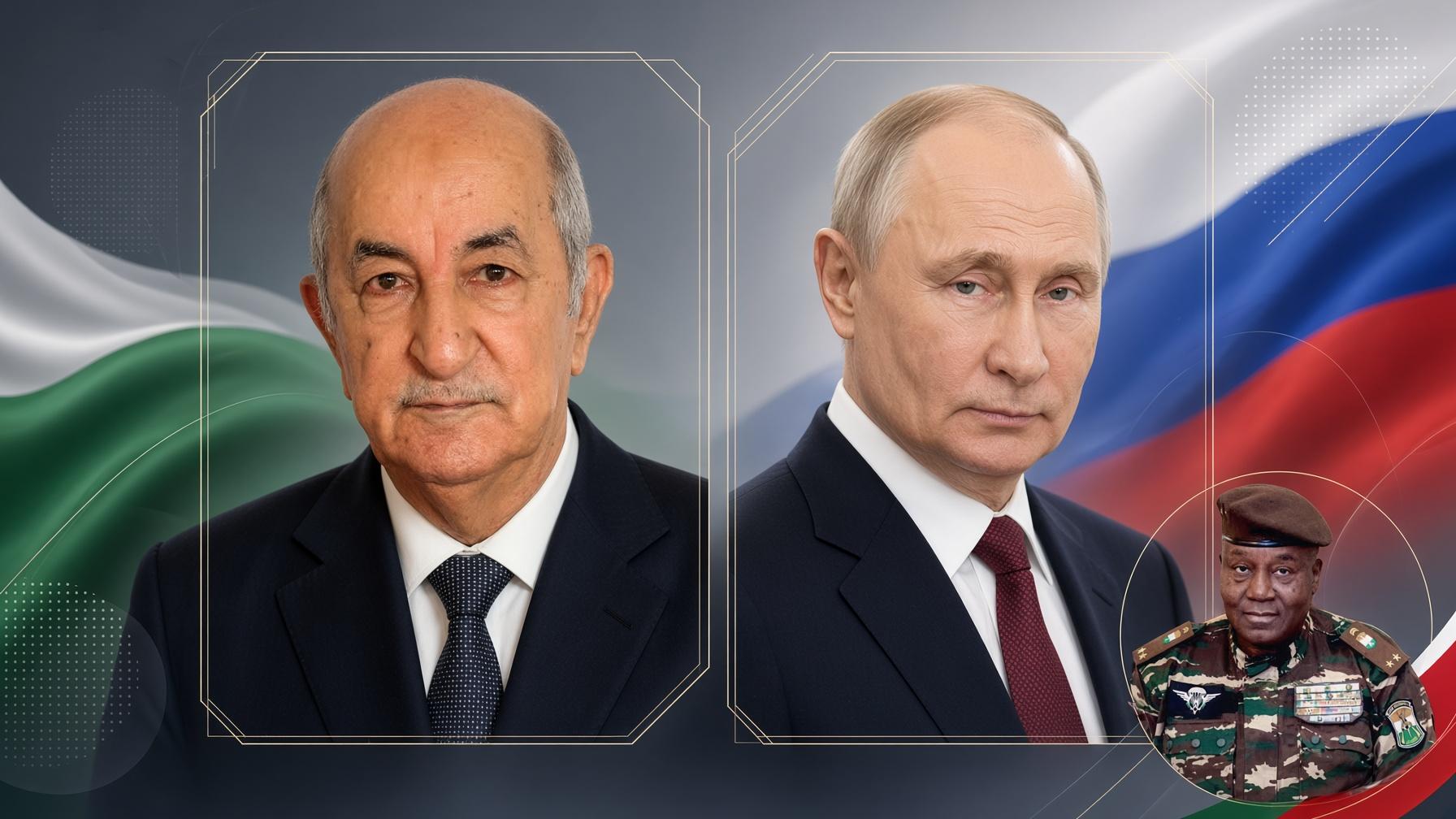
The Algerian Parliament has approved an unprecedented troop deployment into Niger, signaling the end of Russia’s exclusive military dominance in the Sahel. For the first time in half a century, Algeria’s national army will operate beyond its borders, directly challenging Moscow’s expanding influence in the region.
Russian military grip under threat
Since the political shift in Niamey, Russia has secured a tight hold over Niger’s defense sector. Major arms contracts, including advanced air defense systems, tactical drones, and attack helicopters, along with the deployment of Africa Corps instructors, have turned Niger into a key client of Moscow’s military-industrial complex. These agreements, worth hundreds of millions of dollars, come with long-term counter-deals tied to mining and energy concessions.
The arrival of Algerian troops disrupts this model in three critical ways:
- End of Russian exclusivity: Algeria’s structured army, equipped with cutting-edge technology, offers Niger a credible alternative to expensive Russian arms purchases.
- Undermining extractive monopolies: Moscow’s indirect monetization strategy, which secures mining and petroleum permits in exchange for security, faces collapse with Algeria’s presence.
- Loss of lucrative maintenance contracts: Algeria’s technical expertise in Soviet-made equipment (including Su-30 fighters, armored vehicles, and artillery) allows it to service Niger’s arsenal independently, cutting Russia out of high-value maintenance deals.
Algeria’s stakes: securing energy corridors and economic interests
For Algeria, the troop deployment is not just a strategic move—it’s an economic imperative. The North African nation is protecting billions in investments tied to two critical projects:
- Kafra oil field: Operated by Algeria’s Sonatrach via its SIPEX subsidiary, this block holds millions of barrels and is central to the Algeria-Niger industrial partnership.
- Trans-Saharan Gas Pipeline (TSGP): This $13 billion megaproject, designed to transport 30 billion cubic meters of Nigerian gas annually to Europe via Niger and Algeria, requires absolute security along its route. The presence of paramilitary forces threatens its viability.
By deploying troops, Algeria ensures the protection of these energy lifelines while sending a clear message to Moscow: its infrastructure will not fall under Russian control.
Moscow’s illusions shattered in the Sahel
Russia, long the primary supplier to Algeria’s defense sector, now faces direct competition from its former client. The Kremlin’s strategy of dominating the Alliance of Sahel States (AES) through security partnerships has backfired. Algeria’s military intervention forces Niger to rethink its heavy dependence on Moscow, creating a power struggle where yesterday’s arms deals no longer guarantee today’s dominance.
The Sahara has become a new battleground—where financial interests and military influence collide. Algeria’s move reaffirms its role as an indispensable player, forcing the Nigerien junta to negotiate better terms with the Kremlin. For Russia, the dream of an exclusive hold over the AES is fading, replaced by a tense cohabitation in the heart of the Sahel.