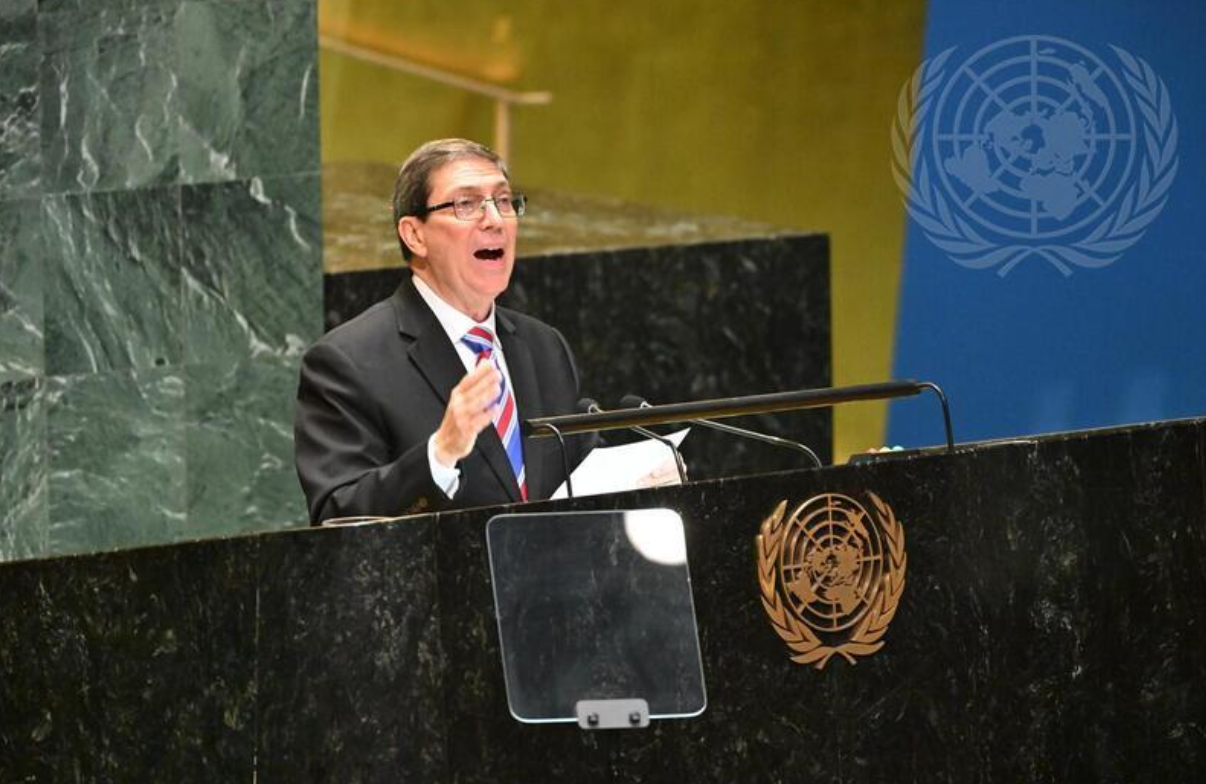
In a clear divergence from continental consensus, Morocco cast the sole African vote against a United Nations resolution calling for the end of the decades-old U.S. embargo on Cuba. The vote at the UN General Assembly in New York on October 28, 2026, saw 130 countries vote in favor, 17 against, and 25 abstain—underscoring both global and regional shifts in diplomatic priorities.
UN vote reveals shifting African dynamics on Cuba sanctions
For the 34th consecutive year, the UN General Assembly adopted a non-binding resolution demanding the lifting of the U.S. economic, commercial, and financial blockade against Cuba. Yet while the outcome reflected broad international support, the breakdown of votes exposed a rare exception within the African bloc: Morocco was the only African nation to reject the resolution.
Historically, African countries have consistently joined the majority in calling for an end to the embargo, citing principles of sovereignty, non-interference, and economic independence. In 2025, all African members either voted in favor or abstained. This year’s shift among Morocco raises questions about the kingdom’s evolving foreign policy and its relationship with both Washington and the African Union.
The meaning behind Morocco’s unexpected vote
Unlike previous years when Morocco had abstained, the 2026 vote marked a firm rejection of the resolution—placing it among a small group of countries, including the United States, Israel, and Brazil, that opposed the measure. This change is particularly notable given the backdrop of intensified U.S. lobbying efforts to sway undecided nations away from supporting the resolution.
While the lack of an official explanation leaves room for speculation, the shift aligns with broader diplomatic recalibrations. Several Western European nations, including Germany and Italy, also altered their stances, moving from support in 2025 to abstention in 2026. However, Morocco’s move stands out as the only African departure from continental solidarity.
Why the Cuba embargo remains a global flashpoint
The U.S. embargo against Cuba has been in place since the early 1960s, tightening over decades to restrict trade, investment, and financial flows. Washington frames the policy as necessary to pressure the Cuban government over human rights and political freedoms, while Havana condemns it as economic warfare that exacerbates poverty and isolation.
The blockade has taken a severe toll on Cuba’s economy, compounding longstanding shortages in fuel, medicine, and food. Proponents of the resolution argue that lifting the embargo would ease humanitarian and economic pressure on the island nation. Critics, however, point to Cuba’s own economic mismanagement and questionable governance as core obstacles to recovery.
Diplomatic symbolism trumps enforceable change
Though the UN resolution passed with overwhelming support, it carries no binding legal force. The actual lifting of the embargo remains in the hands of the U.S. Congress—a body traditionally resistant to such measures. Still, the annual vote serves as a barometer of international sentiment, with 2026’s results signaling both continuity and cracks in diplomatic unity.
For Africa, the most striking feature of this year’s vote was Morocco’s lone opposition. The move challenges long-held assumptions about the continent’s post-colonial alignment on issues of sovereignty and global justice. Whether this represents a strategic pivot or a temporary alignment with U.S. interests remains to be clarified by Rabat.
What’s next for Morocco’s African relations?
The vote has already sparked debate across the continent, with some analysts questioning whether Morocco’s stance reflects a larger recalibration of its foreign policy. Others suggest it may be a pragmatic response to evolving U.S.-Morocco trade or security ties. Without an official statement, the true motivations remain speculative.
What is certain is that the diplomatic ripple effect of this vote could reshape perceptions of Morocco within the African Union and beyond. As the only African voice against the resolution, the kingdom now faces the task of either explaining its position or managing the consequences of an increasingly isolated stance.