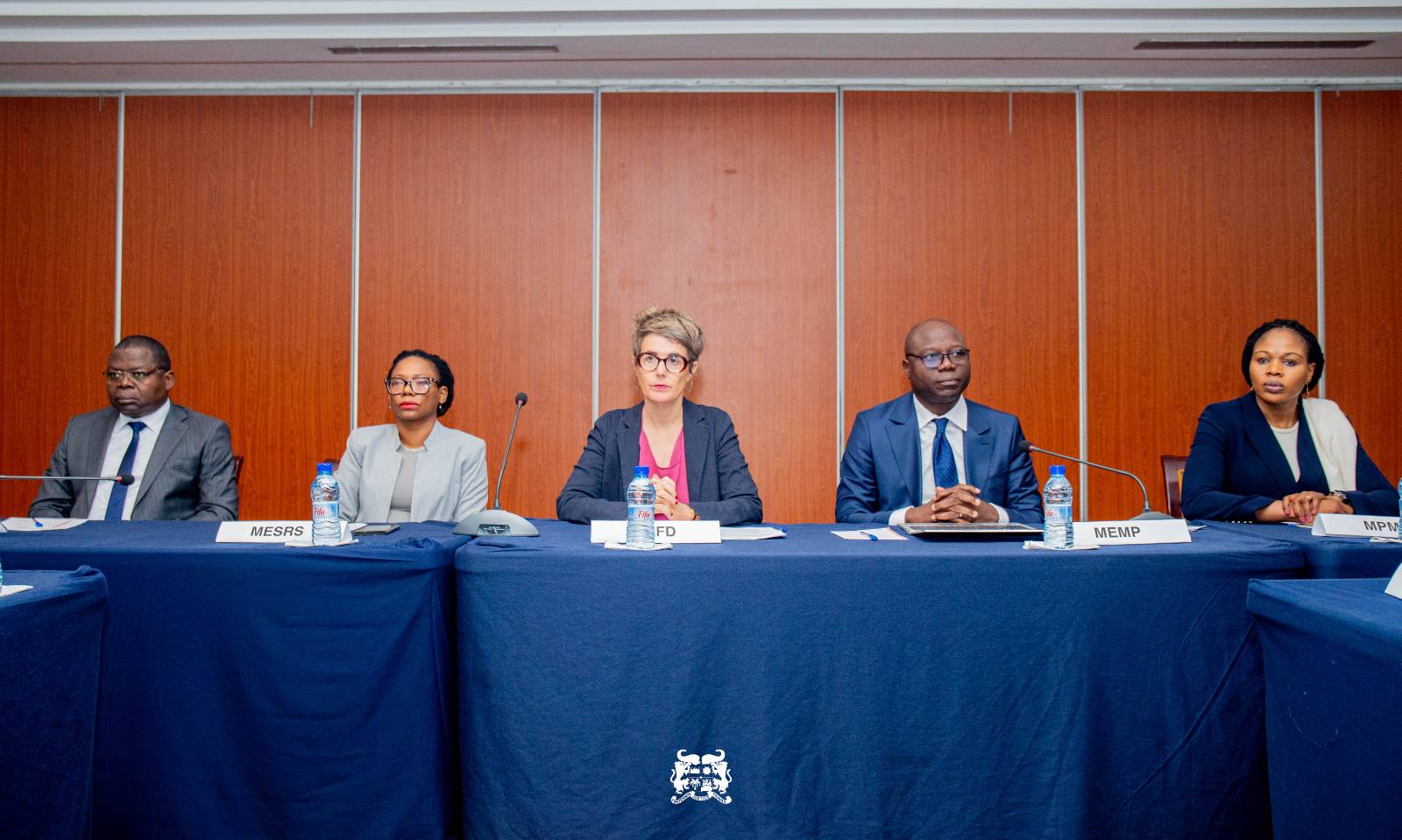
This week, Cotonou is at the center of a groundbreaking movement to transform education in Benin. From June 22 to 26, the Azalaï Hotel is hosting a landmark workshop focused on developing a new National Curriculum Framework. Led by Minister Armand Kuyema Natta, the initiative aims to create a cohesive, modern education system that aligns with the country’s socio-economic realities, preparing tomorrow’s citizens for success.
A united front for Benin’s educational future
The workshop’s official opening on Monday, June 22, underscored the magnitude of the reform with an unprecedented gathering of key figures. Nearly all ministers responsible for education sectors across Benin were present, demonstrating the cross-sectoral urgency of this overhaul.
The delegation included representatives from early childhood education, primary and secondary schools, higher education, scientific research, technical and vocational training, and the National Education Council (CNE). Notably, Madame Laure Weisgerber, Director of the French Development Agency (AFD), joined as the lead of technical and financial partners. This collaboration signals a bold departure from traditional siloed approaches, replacing fragmented reforms with a unified, inclusive dialogue that spans the entire education spectrum.
The curriculum as a reflection of national ambition
During the opening ceremony, Wilfried Guezodjè, Permanent Technical Secretary of the Education Sector Plan, delivered a keynote address that framed the curriculum as more than just an academic document—it is a societal blueprint. His remarks highlighted its role in shaping the values, skills, and competencies of future generations.
« The curriculum is not merely a pedagogical tool; it embodies the choices we make for our children. It determines not only what they learn but the kind of citizens they will become, » stated Guezodjè. He described the process as both challenging and hopeful, emphasizing the collective ambition to equip every Beninese child with the skills needed for personal fulfillment and future employability. The framework’s core challenge lies in balancing local relevance with international educational standards.
Moving beyond isolated reforms: the need for continuity
The morning session reached its peak with a speech by Minister Armand Kuyema Natta, who underscored the limitations of past piecemeal reforms. While previous efforts successfully reopened and updated certain primary and secondary programs, these changes lacked the cohesion necessary for a seamless educational journey.
« Updating programs in isolation, no matter how thorough, falls short, » the minister asserted. He stressed that for the system to function effectively, a student transitioning from primary to secondary school must experience methodological continuity, and a high school graduate must enter university with the prerequisites aligned to their chosen field. The new National Curriculum Framework is designed to bridge these gaps, serving as a guiding thread that unifies principles from early childhood education to higher learning.
International backing for a transformative vision
Such a sweeping reform demands robust support, and Madame Laure Weisgerber of the AFD reaffirmed her institution’s unwavering commitment to the project. International partners view this initiative as a pivotal reform capable of maximizing the impact of investments in education. By aligning programs with real-world labor market needs—particularly through technical and vocational training—Benin is poised to reduce youth unemployment and foster economic growth.
A pivotal step toward Benin’s future
The workshop in Cotonou, concluding on June 26, marks a turning point in the relationship between the state, educators, families, and learners. Rather than rushing through piecemeal changes, Benin is prioritizing coherence, inclusivity, and a forward-looking education system.
The drafting of the National Curriculum Framework is a monumental milestone. While the implementation challenges ahead are substantial, the political will demonstrated this week by ministers and backed by international partners paints an optimistic picture for the future of Beninese schools—schools that are now more unified, inclusive, and future-oriented than ever before.