The diplomatic climate between Kinshasa and Luanda has reached a point of significant friction as Félix Tshisekedi and João Lourenço navigate a complex political tug-of-war. At the center of this tension is the ongoing security crisis in the Democratic Republic of Congo, which has tested the limits of regional mediation.
The high-stakes meeting in Luanda
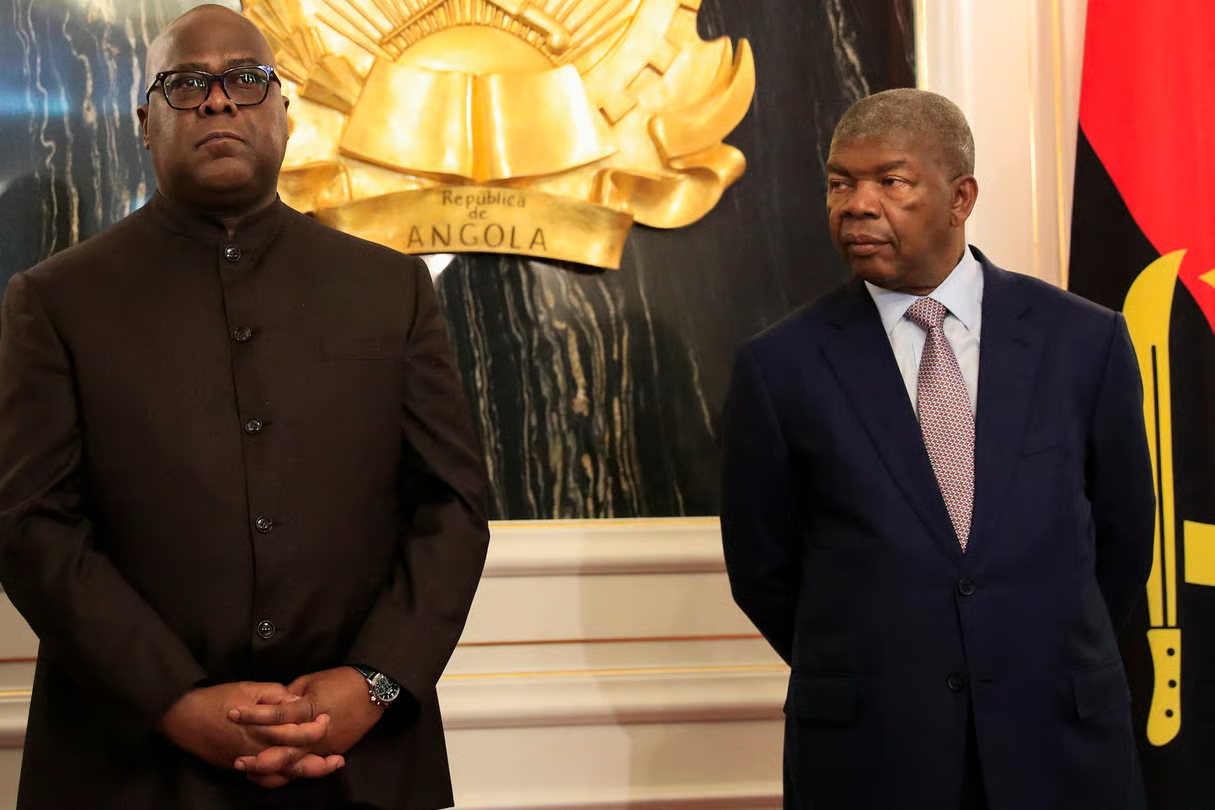
During a recent summit held at the presidential palace in Luanda, the atmosphere was notably heavy. Félix Tshisekedi met with his Angolan counterpart to discuss the persistent threat posed by the AFC/M23 rebellion. While Angola has attempted to facilitate a peaceful resolution through the Luanda process, the DRC leadership has expressed growing impatience with the lack of tangible progress on the ground.
The dialogue between the two leaders highlights a significant strategic divide. On one hand, João Lourenço remains committed to a diplomatic path, positioning himself as a neutral arbiter in the Great Lakes region. On the other hand, Tshisekedi is under increasing domestic pressure to secure a military victory or a more assertive international intervention against insurgent forces.
Regional stability and political shadows
The presence of historical political figures, such as Joseph Kabila, continues to influence the subtext of these discussions. The internal dynamics of the DRC frequently spill over into regional diplomacy, complicating Angola‘s efforts to maintain a stable balance of power. As the two presidents continue their tug-of-war, the future of the Luanda peace process remains uncertain, with both sides unwilling to yield on fundamental sovereignty and security concerns.