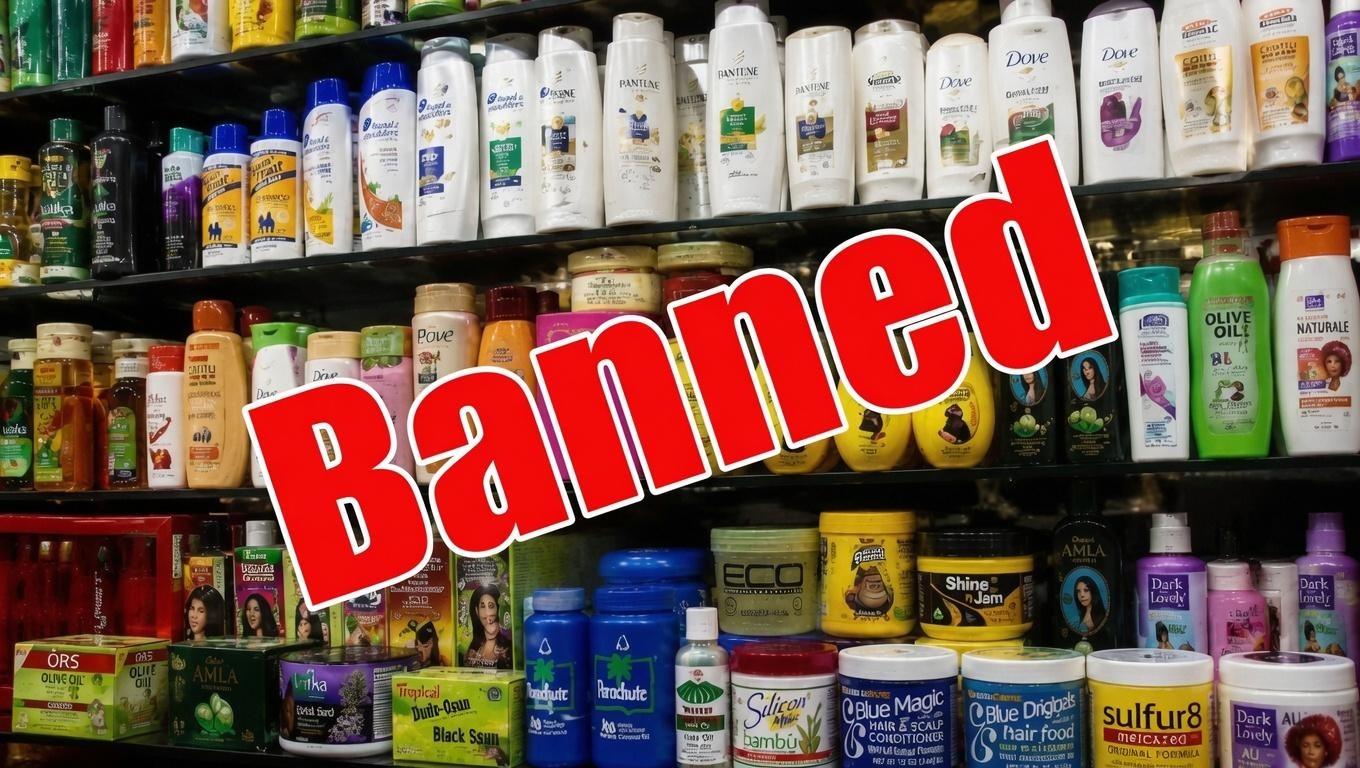
Government targets widespread use of harmful cosmetics
In a decisive move to safeguard public health, the government of Bénin has imposed a blanket ban on the sale and distribution of skin-lightening products. Effective since May 5, the regulation prohibits the commercialization of creams, lotions, and other formulations designed to artificially alter skin pigmentation. This sweeping action addresses a deeply entrenched cultural practice that has raised mounting concerns over its severe health implications.
Curbing the pervasive ‘tchatcho’ phenomenon
The term tchatcho refers to the widespread use of skin-bleaching products in Bénin, transcending socio-economic boundaries. From the bustling stalls of Dantokpa Market to the virtual shelves of social media platforms, these products were previously obtainable without restriction. The new measures seek to dismantle the supply chains fueling this lucrative yet dangerous trade, which often relies on smuggled goods and unregulated artisanal preparations.
Enforcement will involve rigorous inspections targeting both wholesale distributors and small-scale retailers. Authorities aim to intercept illegal consignments and dismantle networks profiting from the sale of these hazardous substances.
Health risks demand urgent action
Medical professionals have long warned of the grave dangers posed by artificial skin lightening. Dermatologists frequently report cases of severe skin damage, including chemical burns, chronic infections, and irreversible thinning of the epidermis. The culprits are often formulations containing toxic ingredients such as hydroquinone, high-potency corticosteroids, or mercury—substances that penetrate the body and contribute to systemic health issues.
Long-term exposure to these chemicals can lead to life-threatening conditions, including chronic kidney failure, cardiovascular disorders, metabolic disturbances, and an elevated risk of skin cancer. The urgency of the situation has compelled health authorities to adopt a zero-tolerance approach.
Balancing enforcement with cultural change
While the ban has been welcomed by healthcare providers, its implementation presents significant challenges. Porous borders and the adaptability of illicit vendors—who frequently rebrand and relabel products to evade detection—complicate enforcement efforts. Moreover, the cultural preference for lighter skin, perpetuated by societal norms and beauty standards, continues to drive demand.
To achieve lasting results, the government must pair regulatory measures with robust public awareness campaigns. These initiatives would aim to educate citizens on the risks of skin lightening, promote acceptance of natural skin tones, and challenge harmful societal perceptions. Only through a combination of strict enforcement and behavioral change can the cycle of dependency on these dangerous products be broken.
Bénin’s bold stance marks a critical step forward in protecting its population from preventable health hazards. The success of this policy will hinge not only on the vigilance of authorities but also on the willingness of society to embrace healthier ideals of beauty.