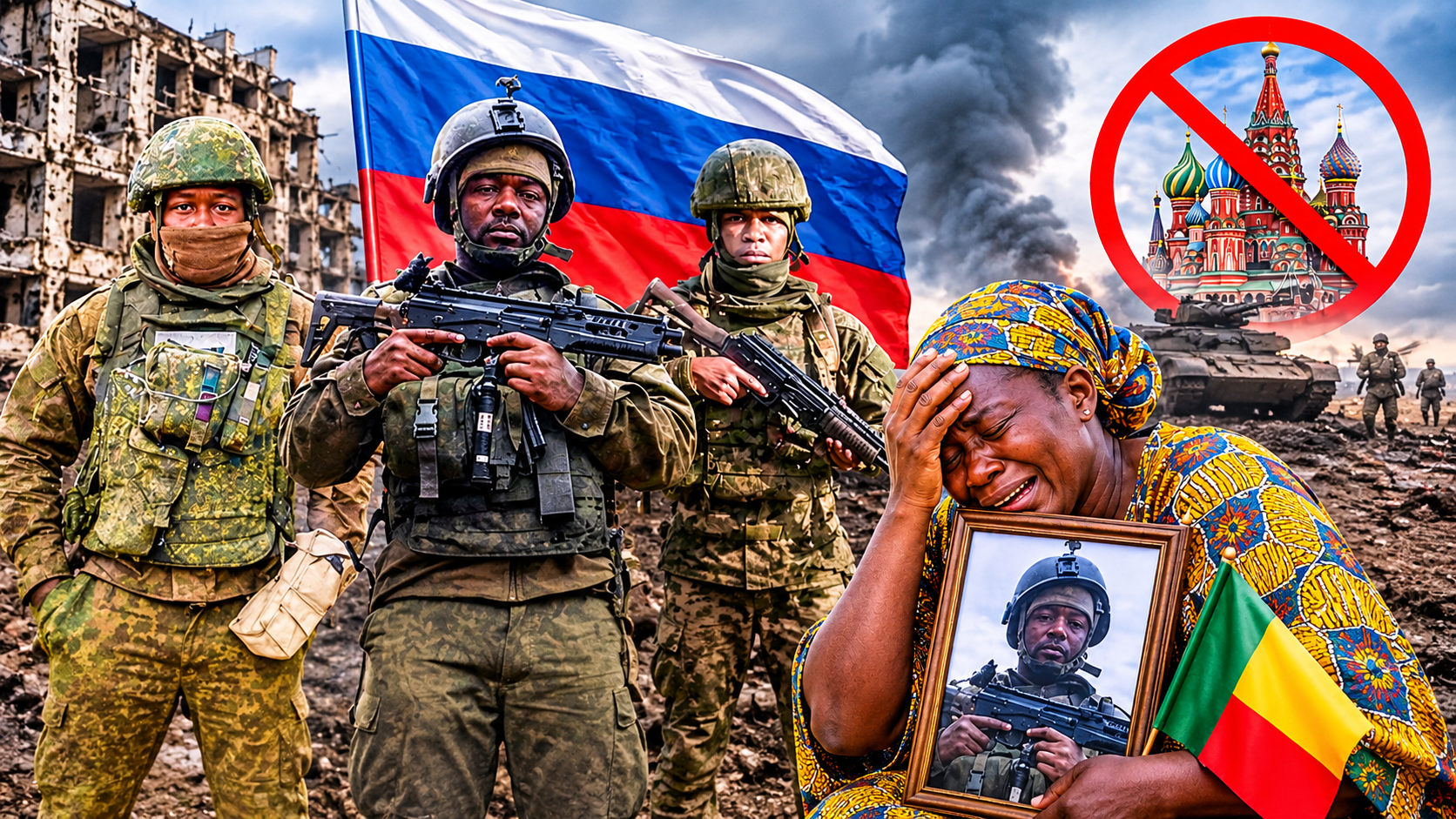
A young man from Benin, who traveled to Russia to pursue higher education, has been killed in active combat in Ukraine. This fatality brings immediate attention to the severe and often hidden dangers facing African scholars enrolled in Russian institutions, as the ongoing conflict continues to draw foreign nationals into military operations.
Frontline casualty involving a Beninese scholar
Detailing the transition from academic pursuit to military engagement reveals a stark reality. Families invest heavily in these educational journeys, expecting professional advancement and economic stability. Instead, this specific case ended in a fatal military deployment thousands of miles from West Africa. The exact sequence of events that moved this individual from a university campus to a war zone requires thorough investigation. While many international scholars complete their degrees without incident, documented cases of foreign nationals being absorbed into armed forces necessitate a strict examination of how this specific enrollment devolved into a combat deployment.
Financial pressures and deceptive recruitment tactics
Foreign scholars often face significant economic strain while living abroad. Separated from their support networks, they may become susceptible to offers that appear to provide financial relief or supplementary income. In the current geopolitical climate, some of these offers serve as conduits for military enlistment. Contracts that obscure their true nature can bind unsuspecting individuals to armed service. Once integrated into a military structure, the individual faces immediate exposure to artillery, infantry combat, and severe injury or death. It is imperative to differentiate between legitimate academic pursuits and schemes that exploit the financial vulnerabilities of international scholars.
Consular duties and institutional oversight
The ongoing conflict has fundamentally altered the security landscape for foreign nationals residing in Russia. Diplomatic missions and consular services from African nations must proactively monitor the welfare of their citizens. This involves issuing clear travel advisories, verifying the legitimacy of educational intermediaries, and providing immediate assistance to those facing coercive enlistment. Educational agencies and recruitment intermediaries must also be held accountable, ensuring that all visa conditions, academic registrations, and contractual obligations are fully transparent and legally sound before any student departs their home country.
Securing the safety of international scholars
The death of this Beninese national is a profound loss that demands concrete answers. Investigators must determine the precise mechanisms of his recruitment, the validity of his student status at the time of deployment, and the communication channels used to inform his relatives. For the broader demographic of African youth seeking global education, this incident serves as a critical directive: no academic credential or financial incentive can justify the risk of undisclosed military service. Pursuing a degree abroad must remain a pathway to professional development, not a conduit to a foreign battlefield.