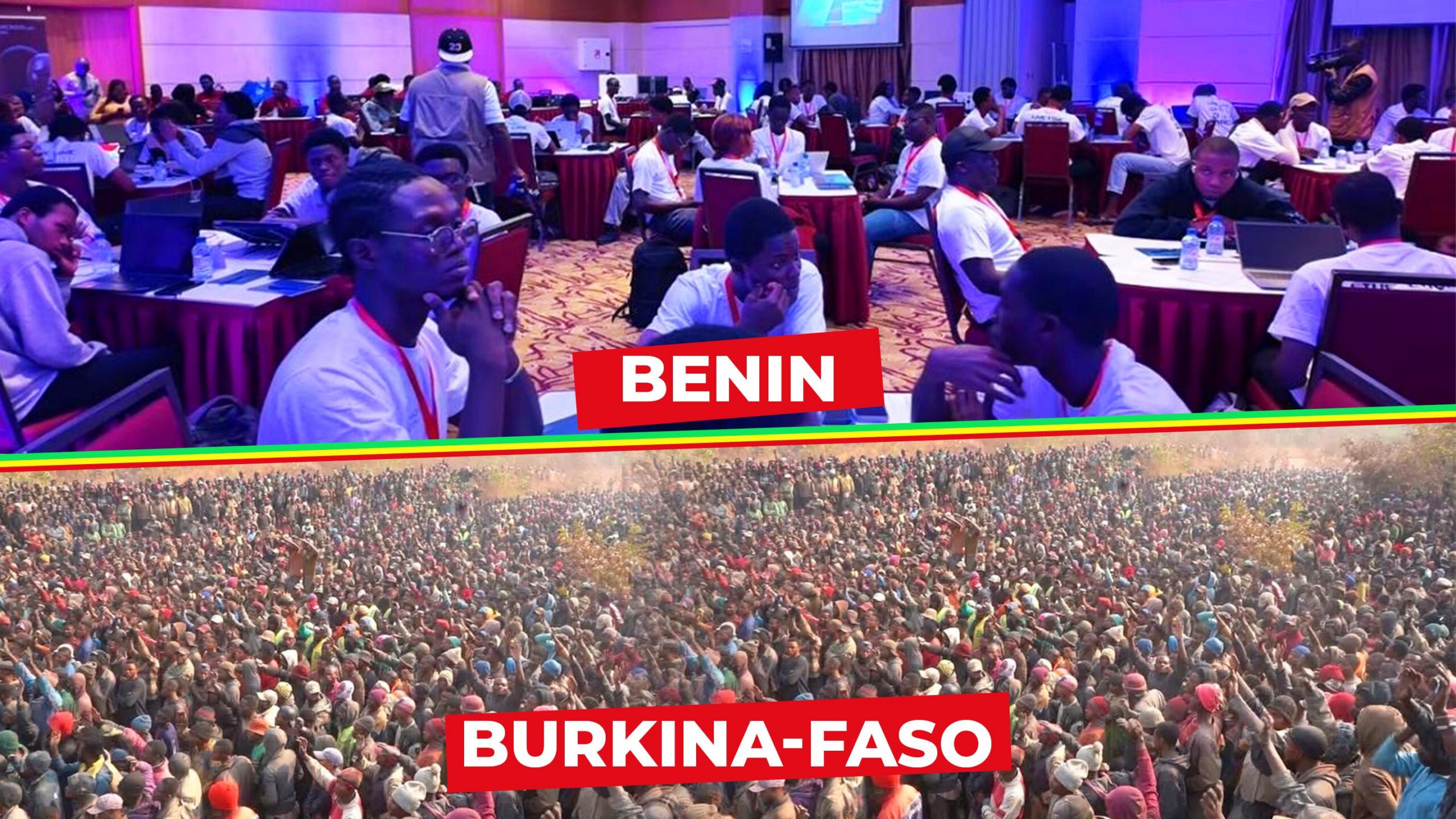
Digital innovation takes center stage in Benin
While West African nations grapple with pressing social and economic challenges, Benin is forging ahead with a strategic investment in digital talent. The Cyber Africa Forum (CAF), held on November 16–17, served as a stark reminder of the country’s commitment to building a future-ready workforce. Over two days, young innovators gathered to tackle real-world technological challenges, showcasing their problem-solving skills and technical expertise in a highly competitive environment.
Long-term preparation trumps short-term spectacle
The CAF was never intended as a fleeting media event. Two months prior to the competition, rigorous participant selection began. Teams were formed early, and daily challenges were assigned over a 30-day pre-selection phase. Only the top 20 teams advanced to the finals a process designed not just to identify talent but to foster it. This method underscores a broader strategy: nurturing an ecosystem of skilled professionals who can drive Benin’s digital economy forward.
This approach reflects a fundamental truth about modern national sovereignty. A nation’s strength is no longer measured solely by military might or political influence but by its capacity to cultivate innovation, equip its workforce, and create an environment where digital skills thrive. Benin’s model demonstrates how targeted investments in education, technology, and economic opportunity can lay the groundwork for sustainable growth.
Burkina Faso’s orpailleurs face existential crisis
On the other side of the border, Burkina Faso confronts a starkly different challenge. Thousands of gold panners, expelled from neighboring Guinea, now face an uncertain future. These workers and their families are not embroiled in political debates or ideological disputes they are fighting for survival. The loss of their livelihoods represents more than an economic setback; it threatens entire communities.
This crisis demands action, not rhetoric. How many individuals are directly affected? What support systems are in place for their repatriation and reintegration? Are there vocational retraining programs or economic alternatives available? These are not abstract questions but urgent priorities that require transparent, measurable solutions from public authorities.
Political maneuvers whether arrests, patriotic rallies, or staged communications may dominate headlines, but they cannot replace jobs, secure livelihoods, or stimulate economic recovery. Effective governance requires more than agenda-setting; it demands proactive solutions to the everyday struggles of citizens.
A tale of two nations: priorities in sharp relief
It would be misleading to suggest that Benin has resolved all its challenges or that Burkina Faso’s difficulties are minor. Security concerns in Burkina Faso remain severe, and Benin, too, faces its own socioeconomic hurdles. Yet the contrast between these two narratives highlights a critical question: what kind of Africa are we building for the future?
Tomorrow’s prosperity is not shaped by speeches or slogans but by the concrete actions taken today. It is forged in classrooms, where young minds are trained for the digital economy. It is built in laboratories where innovation flourishes. It is sustained in communities where jobs are created and stability prevails. The path forward lies not in political posturing but in measurable, long-term investments that empower people and prepare them for the challenges of tomorrow.
Strategic foresight vs. immediate crisis management
The Cyber Africa Forum embodies a forward-looking vision one where youth, technology, and problem-solving take precedence. In stark contrast, Burkina Faso’s displaced orpailleurs remind us that no national ambition can succeed without addressing the immediate needs of its people. The Africa of the future will not be shaped by those who can attract attention but by those who can deliver results.
For policymakers across the continent, the choice is clear: invest in the foundations of tomorrow or risk being overwhelmed by the crises of today. The difference between progress and stagnation lies in where a nation chooses to direct its resources and attention.
As the world watches, Benin’s digital drive offers a blueprint for strategic investment. Burkina Faso’s struggles serve as a cautionary tale about the cost of neglecting socioeconomic realities. The decisions made today will determine whether Africa rises to meet its potential or continues to be defined by the crises it fails to resolve.
By Jeanne Ntouba — Journalist