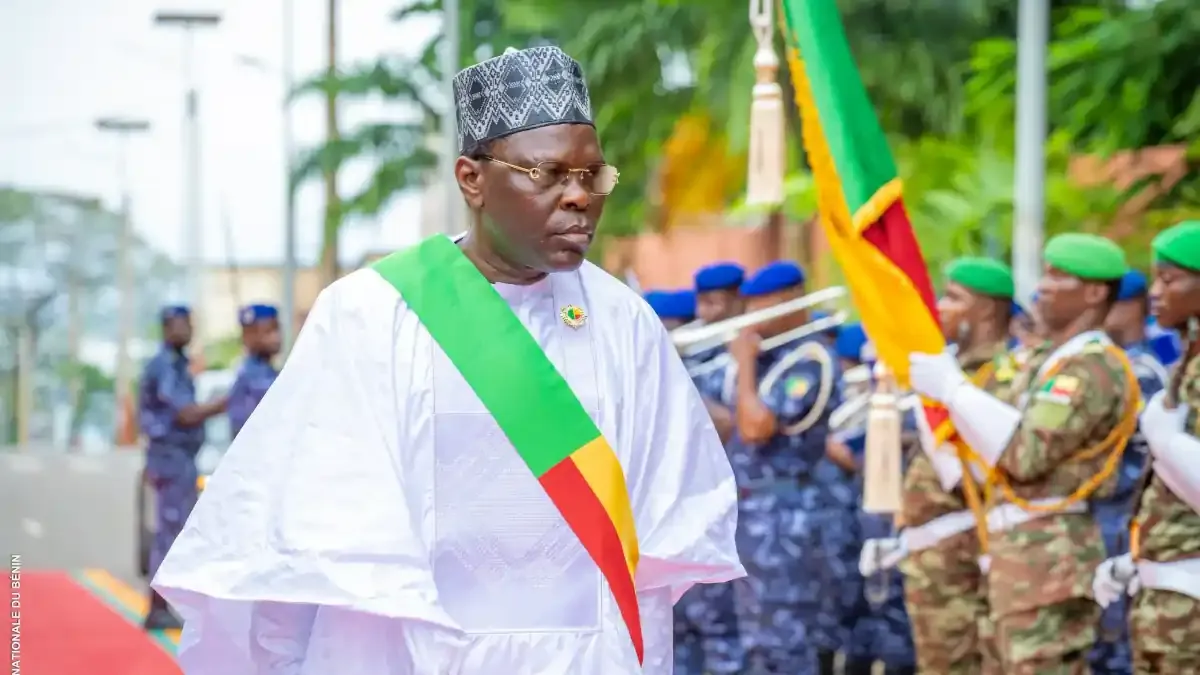
At the 86th executive session and 48th presidents’ conference of the African Parliamentary Union in Lomé, Togo, Benin’s National Assembly President Joseph Fifamè Djogbénou delivered a direct call for easing tensions with Niger and Burkina Faso. His message was clear: bridging divides, not deepening them, remains the priority.
Lomé as a stage for regional reconciliation
In a surprise diplomatic overture, Djogbénou used the platform of the African Parliamentary Union to extend an olive branch to Niger and Burkina Faso. His words weren’t just symbolic—they were a deliberate invitation to revive dialogue between three of West Africa’s most strategically connected nations.
The timing is not arbitrary. With the Benin-Niger border closed since 2023, the region’s economic and social networks—especially trade and migration—have been severely disrupted. Djogbénou’s intervention signals a willingness to break the impasse, not through force, but through persistent dialogue.
Diplomacy beyond political transitions
The consistency of Benin’s diplomatic stance is worth noting. Despite changes in national leadership and government composition over the years, the commitment to regional stability has remained unshaken. From the executive to the legislature, the message is unwavering: peace is not negotiable. It’s a national imperative.
In Djogbénou’s view, stability in Benin is inseparable from stability across the Sahel. Closure of borders doesn’t protect citizens—it isolates them. His approach is rooted in a principle: shared challenges require shared solutions. Whether it’s security, migration, or economic cooperation, isolation only weakens collective resilience.
Shared challenges demand shared responses
Djogbénou didn’t mince words when describing the human cost of division. He painted a stark picture: when Europeans turn away African migrants, they don’t distinguish between Beninese, Nigerien, or Burkinabé identities. They reject Africans as a whole. This isn’t just a metaphor—it’s a reality that underscores the interdependence of West African nations.
The solution, he insists, lies in solidarity. The borders may close, but the people do not. The economies may strain, but the communities do not. What’s needed now is not more rhetoric, but concrete collaboration. The African Parliamentary Union’s platform in Lomé could serve as a catalyst for that change.
Parliamentary diplomacy in action
Djogbénou has called on parliamentary delegations from all three countries to work together—not just with their governments, but beyond them. The goal is simple: align national interests with regional needs. By pooling resources, intelligence, and political will, the trio can demonstrate that brotherhood is stronger than temporary discord.
His closing words carried a quiet urgency: « We don’t turn away from those we share the road with. We walk it together. » In a region where mistrust has grown, that may be the most powerful statement of all.