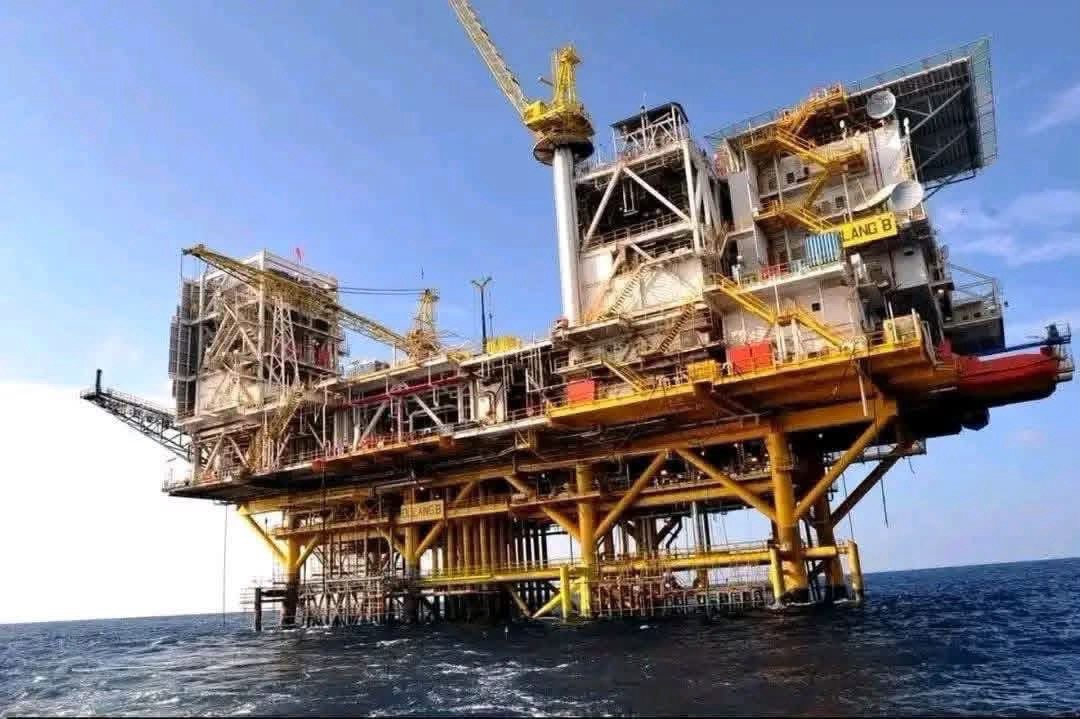
After nearly three decades of dormancy, Benin has resumed crude oil exports with the departure of its first shipment from the offshore Sèmè field. A tanker carrying approximately 330,000 barrels set sail for Rotterdam, Netherlands, marking a pivotal moment in the country’s energy sector and economic diversification efforts.
From dormancy to delivery: Reawakening Benin’s Sèmè oil field
The Sèmè field, located off Benin’s coast, initially operated between 1982 and 1998 but was shut down due to declining output, technical challenges, and unfavorable economic conditions. For over 30 years, the field remained idle, representing a lost opportunity for revenue generation and economic expansion. Its revival required substantial investment, technical assessments, drilling operations, and specialized expertise, culminating in production restart in early 2026 under the operator Akrake Petroleum Benin.
Economic implications: A new revenue stream emerges
The resumption of oil production introduces a fresh dynamic for Benin’s economy, traditionally driven by agriculture, services, and port activities. While the country remains far from a major petroleum producer, the export capacity positions it to diversify foreign earnings, boost foreign exchange reserves, and strengthen fiscal resilience. However, the actual financial benefits depend on production volumes, global crude prices, operational costs, and contractual terms with the operator.
Transparency in revenue sharing, contract terms, and commercial agreements will be critical to assessing the tangible gains for the national treasury. Without clear disclosure, the broader economic impact could remain speculative, despite the symbolic significance of the shipment.
Beyond oil: Building a resilient energy ecosystem
The project’s impact extends beyond crude oil sales. Offshore activities create opportunities across related sectors, including maritime logistics, industrial maintenance, engineering, transportation, and local subcontracting. These industries can generate skilled employment, foster technical training, and support the growth of a domestic energy services sector.
For local businesses to capitalize on these opportunities, they must meet international standards in safety, quality, and expertise. Strengthening local content policies will be essential to ensure that Beninese enterprises play a meaningful role in the energy value chain. Over time, this could help build a sustainable ecosystem capable of supporting long-term economic development.
Attracting investment through operational credibility
The successful reactivation of a long-dormant oil field and the ability to deliver crude to international markets send a positive signal to foreign investors. This credibility will depend on maintaining stable regulations, robust governance, and consistent operational performance. Investors will closely monitor the project’s sustainability, as it reflects Benin’s capacity to manage complex energy ventures responsibly.
Oil exports do not equal fuel independence
It is important to clarify that exporting crude oil does not automatically translate to cheaper fuel domestically. Sèmè’s production is a raw material intended for international markets, not a direct supply of refined products like gasoline or diesel. Without a functioning refinery, Benin will continue to rely on imports to meet domestic fuel demand. The two scenarios are complementary, not contradictory.
In the medium to long term, the government may explore local refining capabilities. Such a move would require evaluating production volumes, crude quality, domestic demand, infrastructure costs, and economic viability. Retaining value through local processing could enhance the benefits for the national economy, but decisions must be grounded in feasibility and long-term market conditions.
The durability challenge: sustaining production and managing revenues
While the first export shipment is a milestone, sustaining production remains the core challenge. Offshore operations demand continuous investment, rigorous technical oversight, and strict environmental safeguards to protect marine ecosystems. The long-term viability of the Sèmè field will be determined by production consistency, shipment frequency, operational costs, and reserve estimates.
The management of oil revenues presents another critical test. To avoid the pitfalls of resource extraction benefiting only a narrow segment, revenues must be channeled into productive investments such as infrastructure, energy access, education, healthcare, and human capital development. Regular disclosure of production data and revenue flows will be vital to ensure accountability and allow citizens to assess the project’s true impact.
A symbolic step toward economic resilience
The resumption of crude exports from Sèmè represents more than a single shipment it symbolizes the revival of a dormant energy asset and opens new avenues for economic growth. The true measure of success will lie in Benin’s ability to convert this resource into sustainable wealth, job creation, and broad-based prosperity. A successful petroleum sector is not defined by export volumes alone, but by its capacity to generate lasting benefits for the broader population and national development.
By Nicolas Biyong — Journalist