Former leader Paul-Henri Damiba indicted for terrorism-related crimes
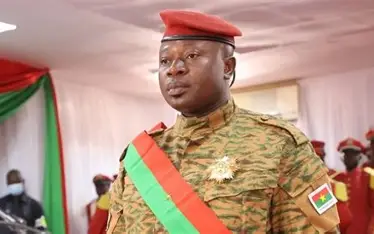
Paul-Henri Sandaogo Damiba, Burkina Faso’s former transitional president, now faces terrorism charges in a development that intensifies the already charged political and diplomatic climate. The announcement came Friday, November 13, 2026, during a press briefing in Ouagadougou where the prosecutor-general confirmed preliminary charges including conspiracy to commit terrorist acts, illegal arms possession, and terrorism financing.
While these accusations mark a significant escalation in the case, they remain allegations until proven in court. The principle of presumption of innocence remains intact, and Damiba retains the right to a fair trial with full access to defense counsel.
Togo’s extradition decision now under scrutiny over unmet guarantees
Damiba’s transfer from Lomé to Burkina Faso in January 2026 was not without conditions. The Togolese government insisted on formal assurances from Ouagadougou regarding his safety, procedural rights, and most critically, a commitment not to impose the death penalty a condition central to Lomé’s extradition approval.
Now, in light of Burkina Faso’s October 2026 penal code reforms reintroducing capital punishment for terror-related offenses exactly the category under which Damiba is charged the validity of those assurances has come under serious question. Though no verdict has been reached and application is not automatic, the legal risk is now undeniable. The principle of non-retroactivity in criminal law and the timing of the alleged offenses add further complexity to what was once a diplomatic success story.
Political history casts long shadow over judicial process
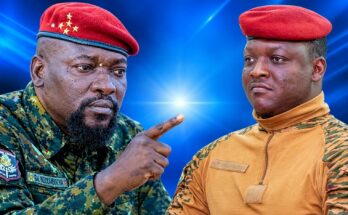
The relationship between Damiba and current leader Ibrahim Traoré goes beyond policy differences. Damiba’s removal from power in September 2022 by Traoré set the stage for a period of military succession defined by deep-seated political tension. In this context, the timing and nature of the current charges raise legitimate concerns about due process and judicial independence.
Traoré’s administration must ensure that the proceedings against Damiba are grounded in verifiable evidence and not colored by retribution. For Damiba, this means unfettered access to legal counsel, private consultations, and a trial before an impartial tribunal. Any deviation from these standards risks undermining public confidence in Burkina Faso’s justice system.
Faure Gnassingbé’s diplomatic gamble now faces accountability test
Togo’s role in Damiba’s extradition cannot be overlooked. President Faure Gnassingbé approved the transfer based on binding guarantees from Ouagadougou assurances that included protection from capital punishment. With the legal landscape having shifted dramatically in the months since the handover, Lomé now faces a critical decision: will it accept the erosion of its own conditions, or will it take diplomatic action to uphold the commitments it secured?
The integrity of inter-African judicial cooperation is on trial here. While no country should be above the law, neither should an extradition become a vehicle for delivering a defendant into a legal void. Burkina Faso must honor its pledges, and Togo must stand by its role as the guardian of those guarantees. The fight against terrorism must never excuse a departure from due process, and political rivalry must never dictate judicial outcomes.
By Jeanne Ntouba — Journalist